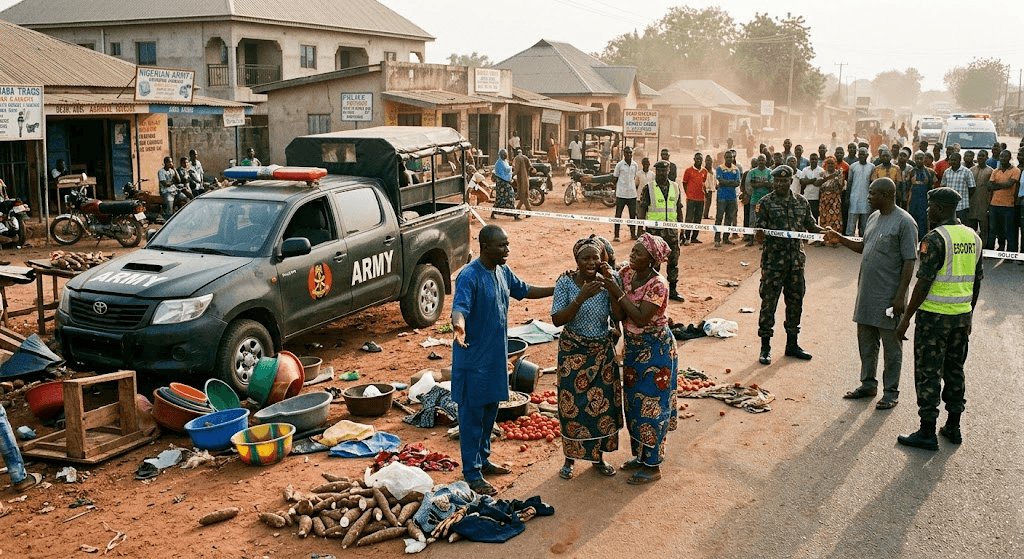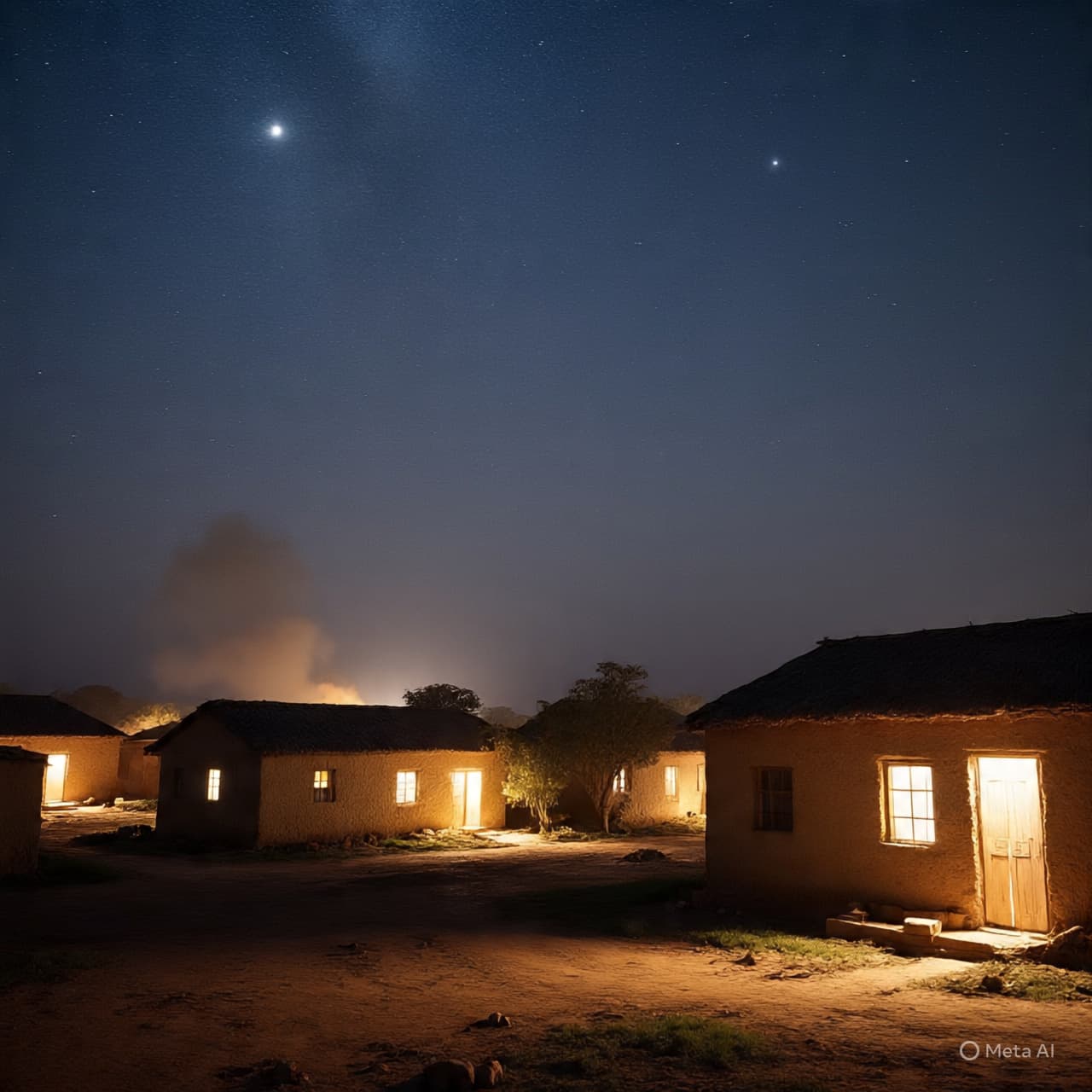
In the hush of morning routines — the walk to school, the tending of fields, children’s laughter mingling with rooster calls — fear has settled like a heavy fog over many rural communities in Nigeria. In villages close to forest hideouts and remote hamlets, the shadows are no longer just at dusk: they follow people in daylight too.
For families in the central and northwestern states, life has become a quiet waiting — waiting for a knock, a raid, an unannounced siren in the night. In one village near St Mary's Catholic School in Papiri, parents of dozens of young children taken in a mass abduction cling to hope — but speak in whispers. One father, who asked to be known only as “Aliyu,” said: “If they hear you say anything about them, before you know it they'll come for you. They'll come to your house and take you into the bush.”
That fear — raw, pervasive, silencing — is as chilling as the gates forced open by masked men. More than 300 students were taken from their school on November 21, as gunmen stormed dormitories in the pre-dawn gloom. Some of the children were as young as five. Even weeks later, many remain unaccounted for; relatives, desperate for news, remain too afraid to speak.
The tragedy in Papiri is just one among many. Across remote settlements from the north-west’s bushlands to the agrarian valleys of the Middle Belt, communities live under a silent siege. Armed gangs — often referred to as “bandits,” sometimes linked to herder-farmer conflicts, but increasingly motivated by ransom profit — move through forest tracks, attacking villages, raiding farms, abducting villagers, and destroying homes.
In places like Ndanakun village in Kwara State, residents say their homes have been emptied: compounds abandoned, churches closed, communities dissolved under the pressure of daily terror. Farmers no longer walk to their fields; children no longer walk to school. Some families flee entirely, seeking safety in towns — but for many, there is nowhere safe anymore.
Yet even when people know where the gangs shelter — deep in forest hideouts a few hours’ drive away — they rarely speak out. Informing authorities or journalists is seen as a dangerous act: a possible trigger for reprisal. As one father said, villagers have “given up hope of getting help from the security forces.”
In the silence of fear, some communities have tried uneasy compromises — peace deals, accords with bandit leaders offering safe passage or turning a blind eye in exchange for access to grazing or mining rights. But these are fragile pacts, born out of desperation rather than justice. They don't bring comfort to parents whose children remain hidden in forest camps, or to those who lost farms, homes, neighbors.
The tragedy of these villages is not only in the lives taken, but in the lives suspended — suspended between hope and terror, memory and uncertainty, silence and the yearning for safety. When fear becomes routine, when the cry for help is swallowed by dread, the bonds of community — built on trust — unravel.
Some analysts warn that without a robust, sustained response — combining security efforts, community protection, and social support — the silent suffering will continue to spread. Until then, too many victims may remain nameless, too many parents too scared to speak — and too many villages left to fade in silence.
AI image disclaimer: Graphics are AI-generated and intended for representation; they are not real photographs.
Sources: BBC News (via Inty News / Yahoo) / Premium Times / AllAfrica / South China Morning Post
Published by Banx Network. This article is part of the Banx decentralized media programme, powered by the BXE token on the XRP Ledger.