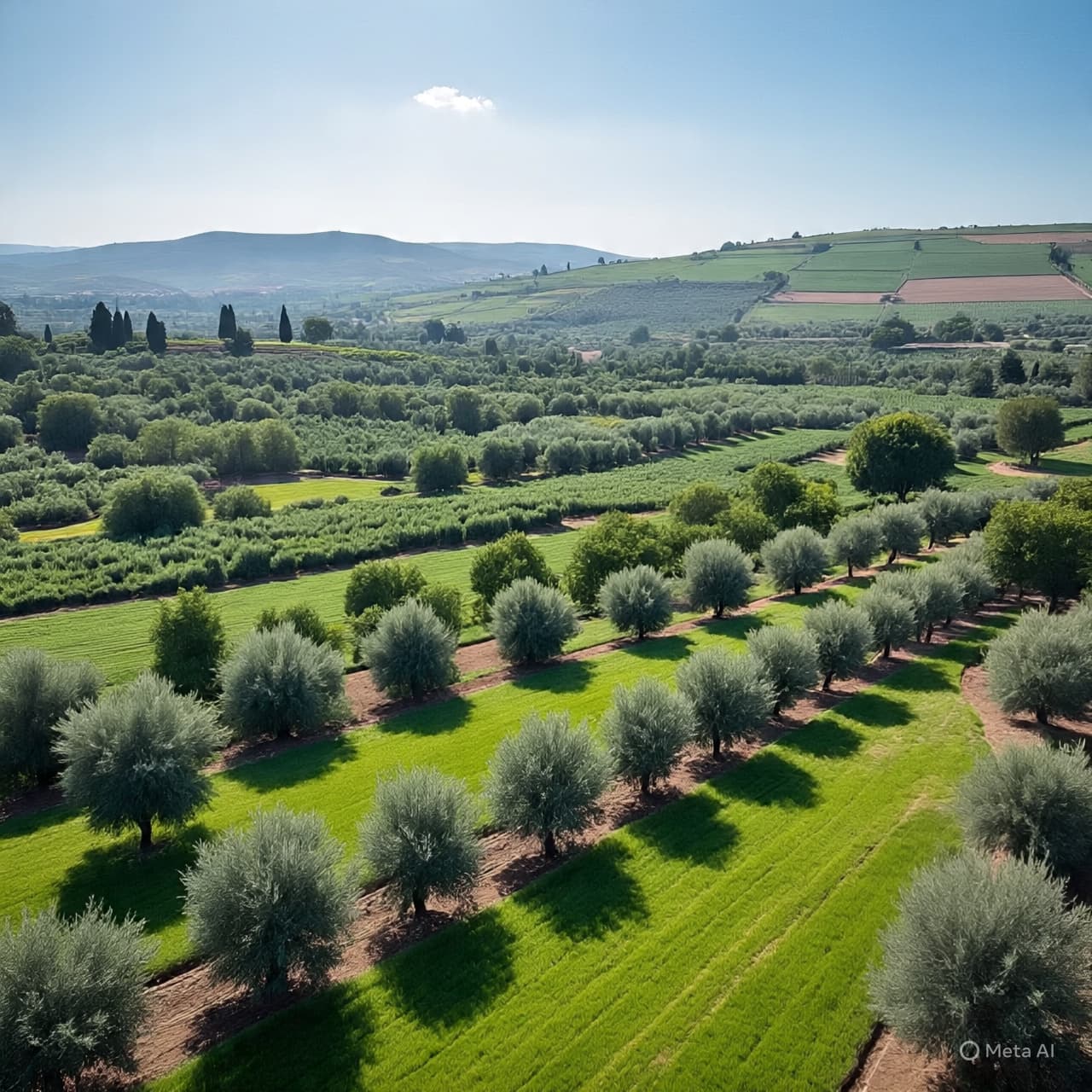
In the quiet corridors of diplomatic halls, there is often a gentle tug of conscience that runs deeper than the sharp clang of political rhetoric. Like a distant ripple from a pebble dropped in still water, the latest appeal from the European Union evokes a sense of longing for order, for laws that bind, rather than divide. The request from Brussels to reconsider a contentious decision in the West Bank feels like an appeal to shared memories — a memory of norms and a yearning for a future where decisions are weighed not only in strategy but in shared humanity. The European Union has publicly called on Israel to reverse its recent decision to register land in the occupied West Bank as state property, a move that has drawn wide international attention. This step — the first such land registration initiative in decades — unfolds in a landscape already layered with decades of history, conflict, and fragile agreements. To many observers, this is more than bureaucratic paperwork; it is a symbolic shift in how land, rights, and aspirations are charted on maps and in people’s lives. From the EU’s perspective, resuming land registration in the area known as Area C — predominantly under Israeli administrative control — could reshape the terrain of legal ownership in ways that many governments around the world view as counter to international law. Officials in Brussels have described the measure as a “new escalation,” one that risks deepening divisions and unsettling fragile frameworks intended to guide peaceful resolution. Across borders and capitals, the words of the EU resonate with echoes from earlier times when nations once pledged to seek enduring peace. Yet, in the lived reality of the West Bank, voices are starkly varied. Palestinian officials have labeled the measure a de facto annexation, stressing that formalizing claims over land without mutual agreement risks undermining prospects for future dialogue and stability. They point to longstanding international resolutions affirming the occupied status of the territory and urging all parties toward negotiated solutions. For those who have watched the landscape shift over the years, the act of registering land — in theory a neutral administrative function — is woven with the threads of identity, belonging, and rights. Critics argue that many Palestinians will be unable to prove formal ownership through historical documents, raising concerns that the process could pave the way for dispossession. Proponents within Israel counter that the move brings legal clarity and counters irregular registrations, reflecting their own narrative of administrative order. In quiet press briefings and public statements, European officials remind that annexation is widely considered a breach of international law. Their call is not only to reconsider a single policy but to reaffirm the compass by which international actors navigate conflict and cooperation. Yet, even as capitals deliberate, ordinary lives trace out new patterns of uncertainty. In fields and towns across the West Bank, where olive trees have borne fruit for generations, the meaning of land goes far beyond paperwork. It is woven into family histories and local futures, rendering the stakes palpable. And so, while leaders utter appeals and statements, the lived experience of change unfolds in patterns that are deeply human — gradual, incomplete, and unfolding in slow motion. As the European Union encourages a reconsideration of recent decisions, there remains a shared hope, soft but enduring, that dialogue might once again find its place beside policy, and that the contours of peace might be drawn not by unilateral steps, but by shared purpose. In this tapestry of competing narratives, the appeal from Brussels — framed by law, history, and a longing for consensus — serves as a gentle reminder that even amidst tension, there is room for voices that seek not victory, but understanding.
AI Image Disclaimer (Rotated Wording)
“Visuals are created with AI tools and are not real photographs.”
Sources — Media Names Only:
CNN Indonesia Middle East Monitor Jordan News Reuters Anadolu Agency / Xinhua (multiple reportings) Al Jazeera China Daily (Xinhua content)
Published by Banx Network. This article is part of the Banx decentralized media programme, powered by the BXE token on the XRP Ledger.