
Key Highlights
- Dismissal of Lawsuit:A U.S. judge has dismissed Donald Trump's $10 billion defamation lawsuit against The Wall Street Journal.
- Legal Standards:The ruling reflects the high threshold for proving defamation for public figures, requiring evidence of actual malice.
- Ongoing Dialogue:The case underscores the ongoing tensions between media freedom and reputational rights in American law.
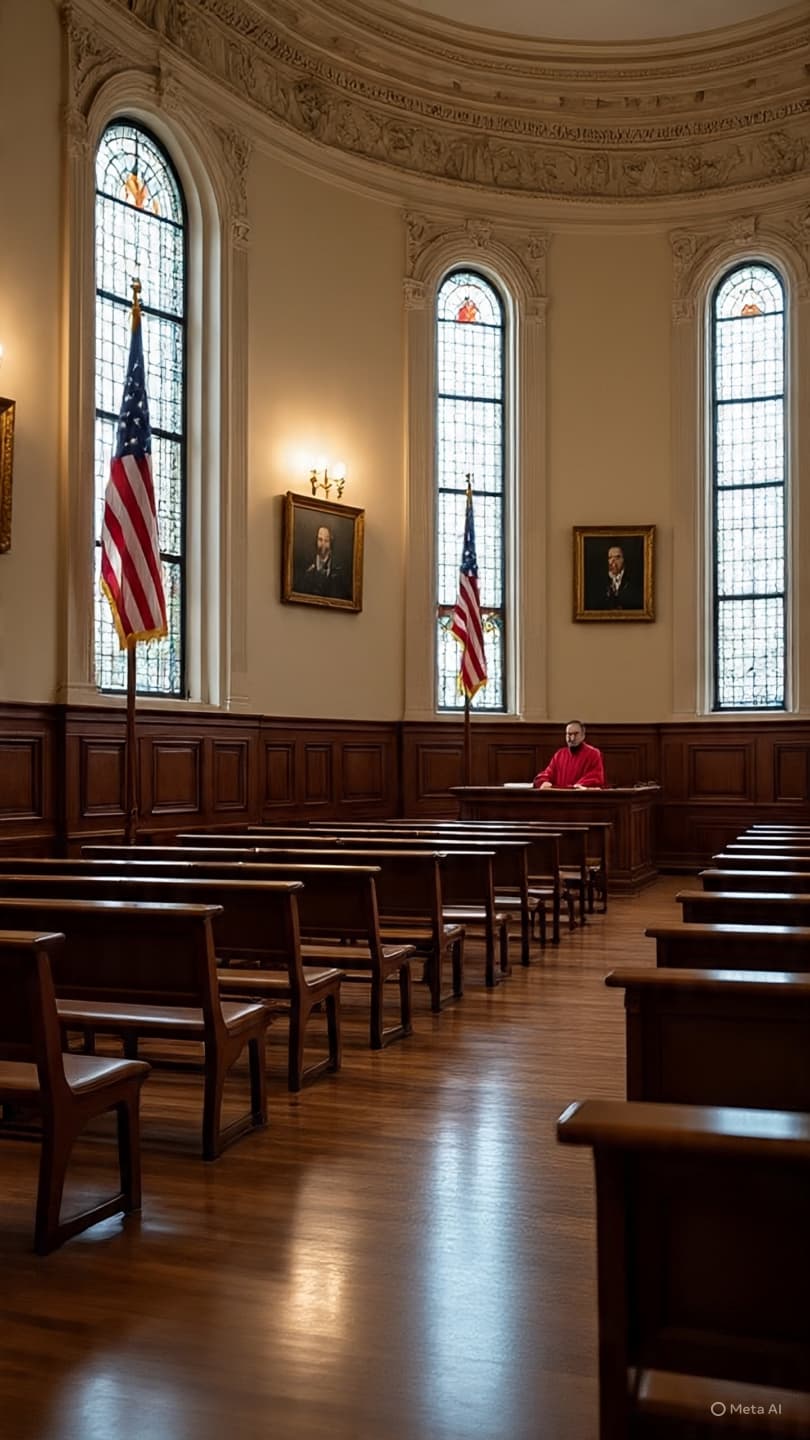
In the quiet architecture of courtrooms, where language replaces motion and decisions settle like dust in filtered light, the law often moves with a deliberate stillness. Papers are filed, arguments unfold in measured tones, and outcomes arrive not with spectacle, but with the weight of interpretation—what stands, what falls away, and what remains unresolved.
It is within this restrained environment that a U.S. judge has dismissed a $10 billion defamation lawsuit brought by Donald Trump against The Wall Street Journal. The ruling closes, at least for now, a legal challenge that had sought to address claims of reputational harm tied to the newspaper’s reporting. This dismissal is significant, as it highlights the complexities surrounding defamation law, particularly as it pertains to public figures.
The case itself emerged from the long-standing intersection between public figures and the press in the United States, where defamation law operates under a distinct standard shaped by precedent. For individuals in the public eye, the threshold for proving defamation is notably high, requiring demonstration not only of falsehood but of “actual malice”—a legal concept that hinges on knowledge of falsity or reckless disregard for the truth. This legal framework is crucial in understanding why the court found insufficient grounds for the case to proceed.
The dismissal suggests that the court found the claims made by Trump did not meet the stringent requirements necessary for a defamation case to advance. While specific legal reasoning is typically outlined in detailed filings, such decisions often reflect how courts interpret the balance between protecting reputation and safeguarding press freedom. The Wall Street Journal, as a major news outlet, benefits from these protections, which are essential for journalistic integrity and the First Amendment rights.
For Donald Trump, whose relationship with major media organizations has long been marked by contention, the lawsuit represented another chapter in an ongoing pattern of legal and rhetorical engagement with the press. Such cases, whether successful or dismissed, contribute to a wider legal landscape in which the boundaries of defamation are continually tested. The dismissal of this lawsuit does not eliminate the possibility of future legal actions, as Trump may choose to appeal the decision or pursue other avenues.
Courtroom decisions, however, rarely end the broader conversation. Even as a case is dismissed, its underlying issues—trust in media, the limits of criticism, the responsibilities of public speech—continue to circulate in public discourse. In this way, the legal outcome becomes one point in a larger, ongoing dialogue rather than a final resolution. The dismissal serves as a reaffirmation of existing legal thresholds, quietly reinforcing the structures that govern how disputes between public figures and media institutions are adjudicated.
Beyond the immediate parties involved, the case reflects a familiar dynamic in American public life, where courts act as arbiters of disputes that extend far beyond individual claims. Within these spaces, the law does not seek to silence disagreement, but to define the conditions under which it is contested. As the decision settles into the broader legal record, it leaves behind a trace not only of what was argued, but of how such arguments are weighed. In the stillness that follows, the conversation between power, press, and law continues—measured, ongoing, and rarely concluded.
Published by Banx Network. This article is part of the Banx decentralized media programme, powered by the BXE token on the XRP Ledger.



