
Key Highlights
- Ongoing Conflict:Limited Russian territorial gains reported despite claims.
- Military Actions:Ukrainian air defenses intercept numerous drone attacks.
- Strategic Shifts:Kyiv aims for greater self-sufficiency in defense production.
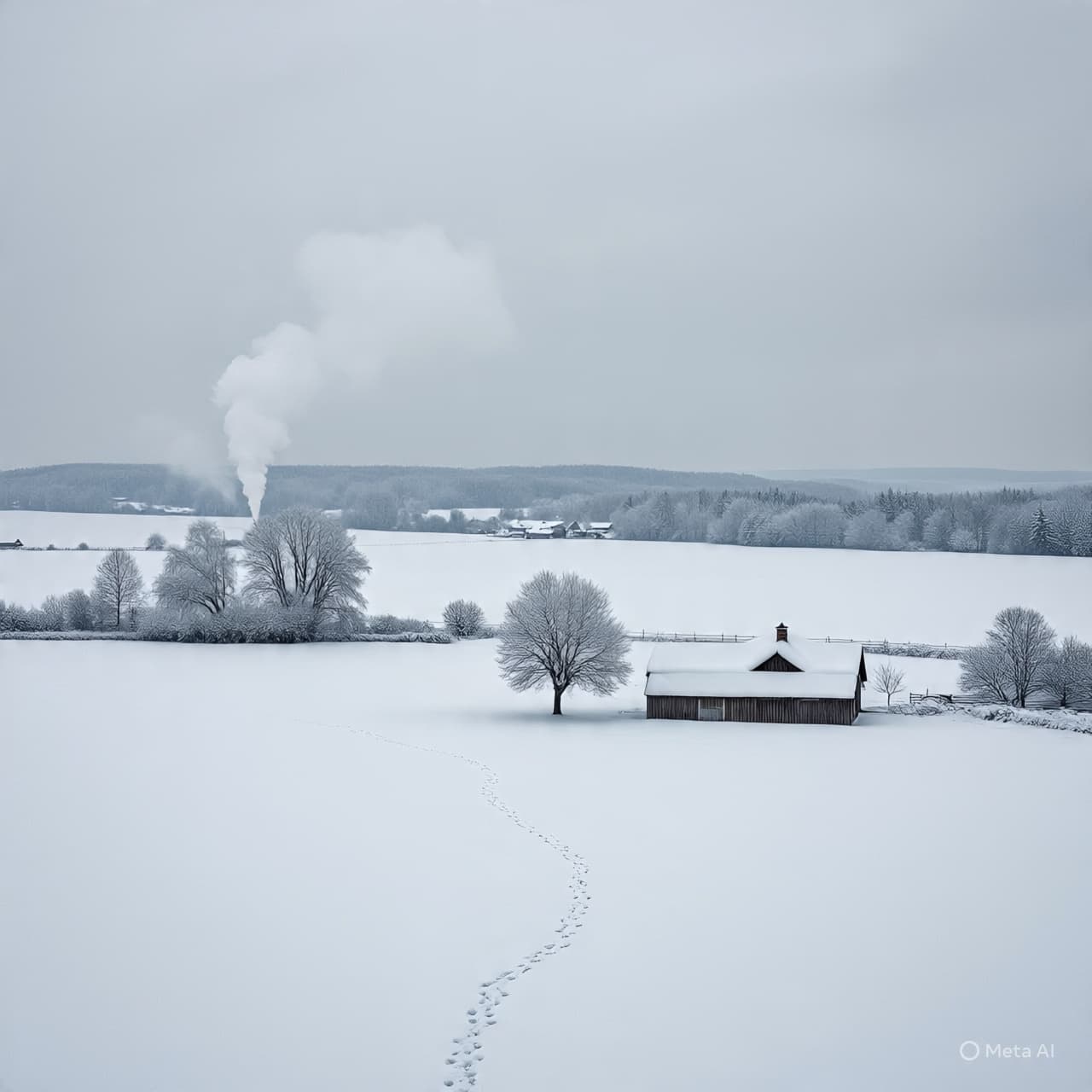
As winter blankets northern Ukraine, the landscape reflects both the stillness and strain of a protracted conflict. Snow covers fields and roads, creating a stark backdrop for the ongoing war, where the quiet is punctuated by the distant sounds of military operations. Analysts have noted that the current phase of the conflict is characterized by a complex interplay of military strategy and psychological warfare, particularly as Russian forces engage in small-scale cross-border actions aimed at shaping perceptions abroad.
Recent assessments indicate that despite claims from Russian authorities regarding territorial gains near the Sumy border, these assertions remain unverified. The situation on the ground suggests that while there are preparations by Russian units in previously quiet sectors, these movements have not yet resulted in significant changes to the frontline. The intricate nature of the conflict, marked by a series of advances and holds, underscores the challenges both sides face in gaining substantial ground after years of fighting.
In addition to localized efforts, Russian forces continue to launch offensive operations across multiple sectors, including Kharkiv and Donetsk. However, these actions have not led to any major breakthroughs, as smaller probes and assaults persist under the overcast winter skies. The ongoing military actions reflect a broader strategy that emphasizes both territorial control and psychological operations, as Russia seeks to project strength while facing logistical and operational challenges.
The war's dynamics are further complicated by long-distance strikes that extend beyond the immediate frontline. A recent wave of drone attacks has targeted both military and civilian infrastructure across various regions, with Ukrainian air defense units intercepting many of these threats. However, the presence of snow and low clouds has occasionally hampered interception efforts, allowing some drones to reach populated areas, highlighting the conflict's far-reaching impact.
Amidst these military developments, Ukraine's leadership is signaling a shift towards greater self-sufficiency in its defense industrial base. Plans to establish export centers in northern and western Europe, along with joint production initiatives with allied nations, reflect a long-term strategy aimed at enhancing Ukraine's resilience in the face of ongoing aggression. This focus on self-reliance in defense production is crucial as the conflict continues to evolve, with the mechanics of war becoming intertwined with the logistics of production and repair.
Despite these strategic shifts, the current state of the war remains anchored in entrenched positions and localized struggles. The landscape is marked by the remnants of conflict, where the footprints of soldiers linger in frost-covered fields and towns that have endured months of siege. The incremental nature of territorial advances speaks to the complex interplay of strategy, supply, and terrain that has defined this conflict over the years.
In summary, as of February 8, 2026, the situation in Ukraine remains fluid, with limited Russian cross-border actions failing to yield significant territorial gains. Ongoing military operations continue across various sectors, while Ukrainian air defenses are actively responding to a surge in drone and missile attacks. Additionally, Ukraine's plans for enhancing its defense manufacturing capabilities signal a commitment to long-term resilience in the face of ongoing challenges.
Published by Banx Network. This article is part of the Banx decentralized media programme, powered by the BXE token on the XRP Ledger.



