Morning light often carries a sense of predictability. Crosswalk signals blink in steady rhythm, engines hum, and the choreography of traffic unfolds with mechanical precision. Yet even in these regulated spaces—where white stripes mark the promise of safe passage—certainty can falter in an instant.
An 81-year-old pedestrian was struck while crossing at a marked crosswalk this week, sustaining life-threatening injuries. Authorities said the collision occurred during daylight hours, when visibility was clear and traffic was moving at a moderate pace. Emergency responders arrived swiftly, transporting the victim to a nearby hospital where they remain in critical condition.
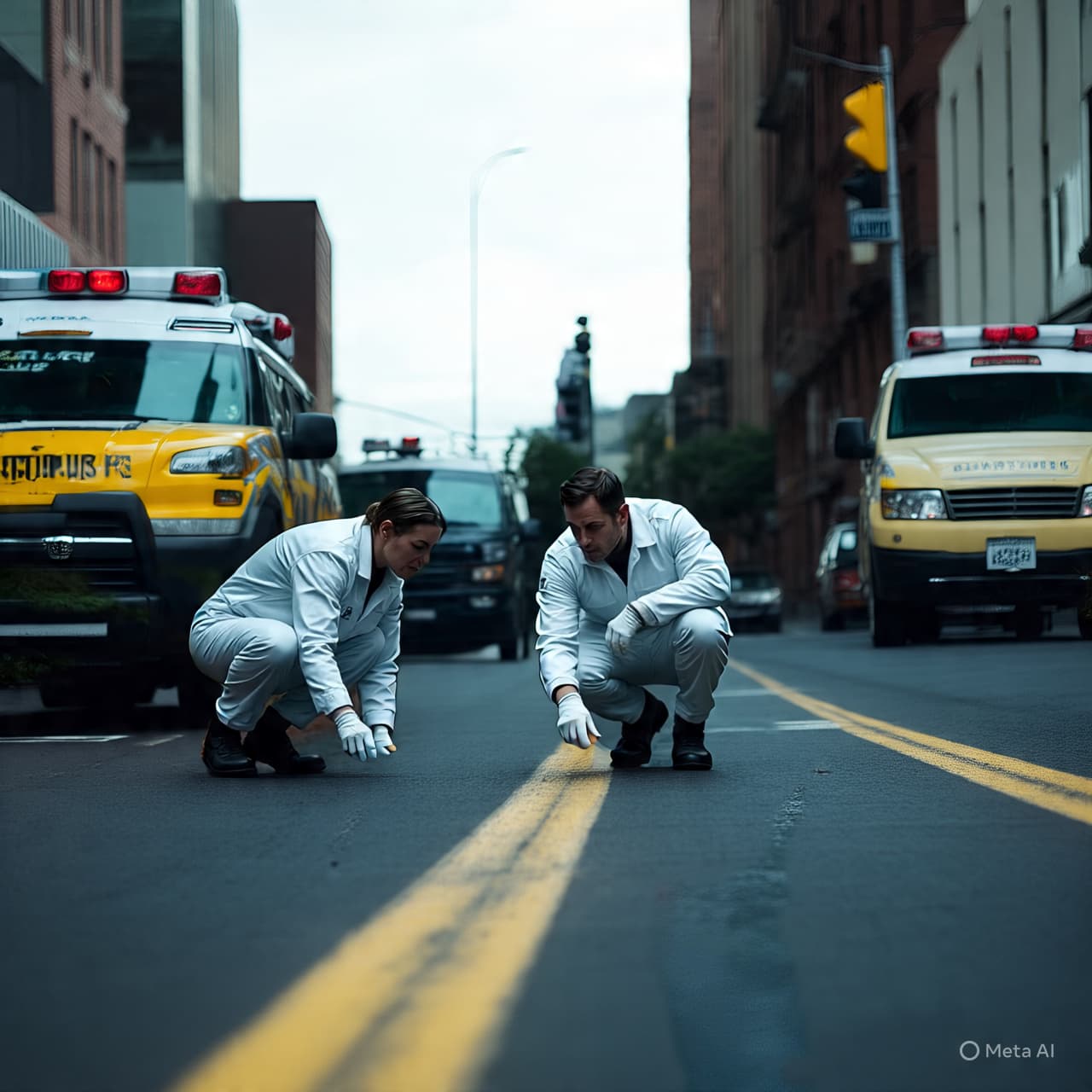
Details surrounding the crash remain under investigation. Law enforcement officials confirmed that the pedestrian had been within the designated crossing zone at the time of impact. The driver involved remained at the scene and is cooperating with authorities. No immediate arrests were announced, and investigators are reviewing roadway conditions, signal timing, and vehicle speed to determine the sequence of events.
Crosswalks exist as small promises within the larger machinery of urban life. They are lines of trust painted onto asphalt—spaces where vulnerability and velocity intersect. For older pedestrians, those intersections can carry heightened risk. According to national traffic safety data, seniors account for a disproportionate share of pedestrian fatalities and severe injuries, often due to slower walking speeds and increased physical fragility.
The incident has prompted renewed discussion about pedestrian safety measures in the area. Officials noted that factors such as signal timing, driver attentiveness, and roadway design can significantly influence outcomes at intersections. Some communities have introduced extended crossing times, improved lighting, raised crosswalks, and traffic-calming measures to better protect older residents and other vulnerable road users.
For now, the focus remains on the individual whose routine walk was interrupted by impact. Families wait in hospital corridors; investigators reconstruct moments measured in seconds. The crosswalk, once simply a pattern of white stripes, becomes a place marked by pause and reflection.
As authorities continue their review, the broader question lingers quietly beneath the surface of daily traffic: how can shared streets better protect those who move through them at a human pace? In the stillness that follows sirens and flashing lights, that question feels less abstract and more urgent—written not in paint, but in consequence.
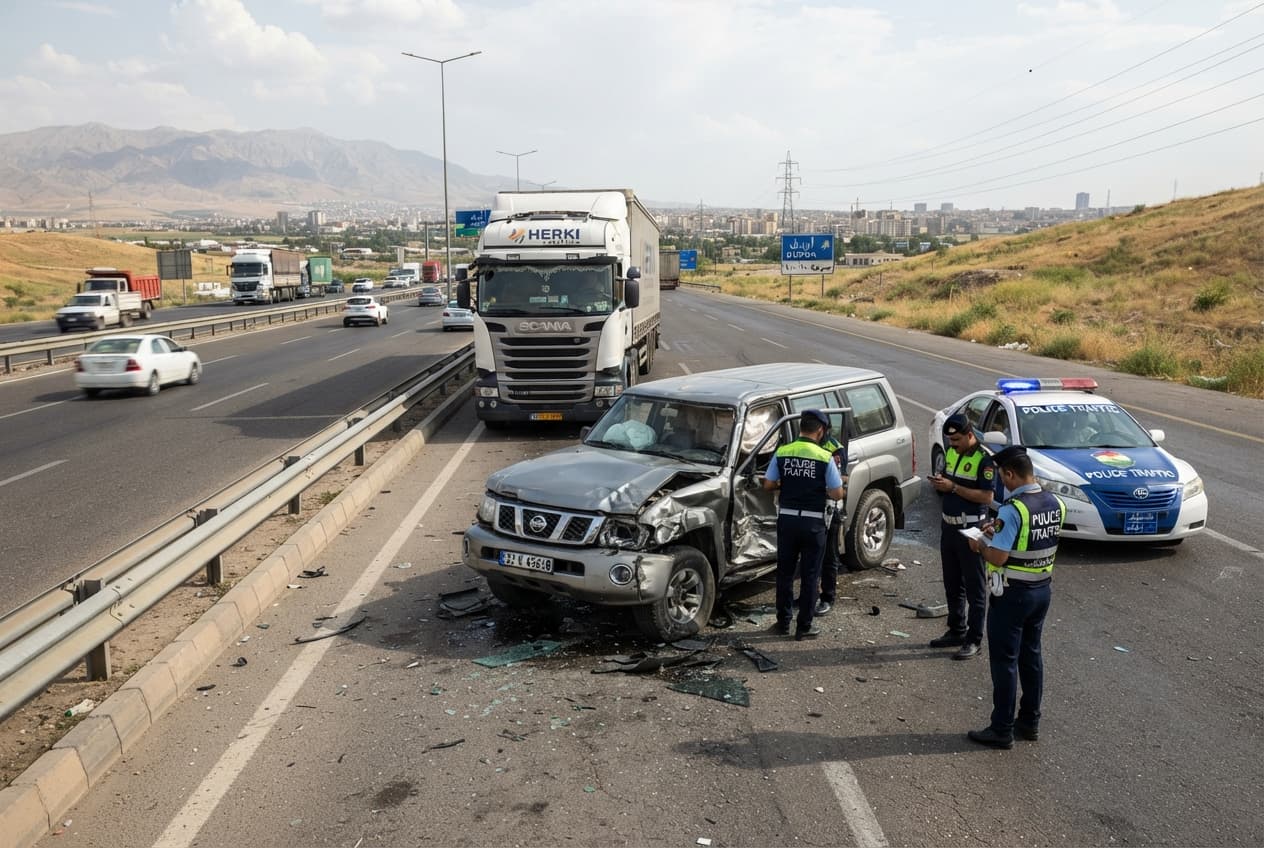
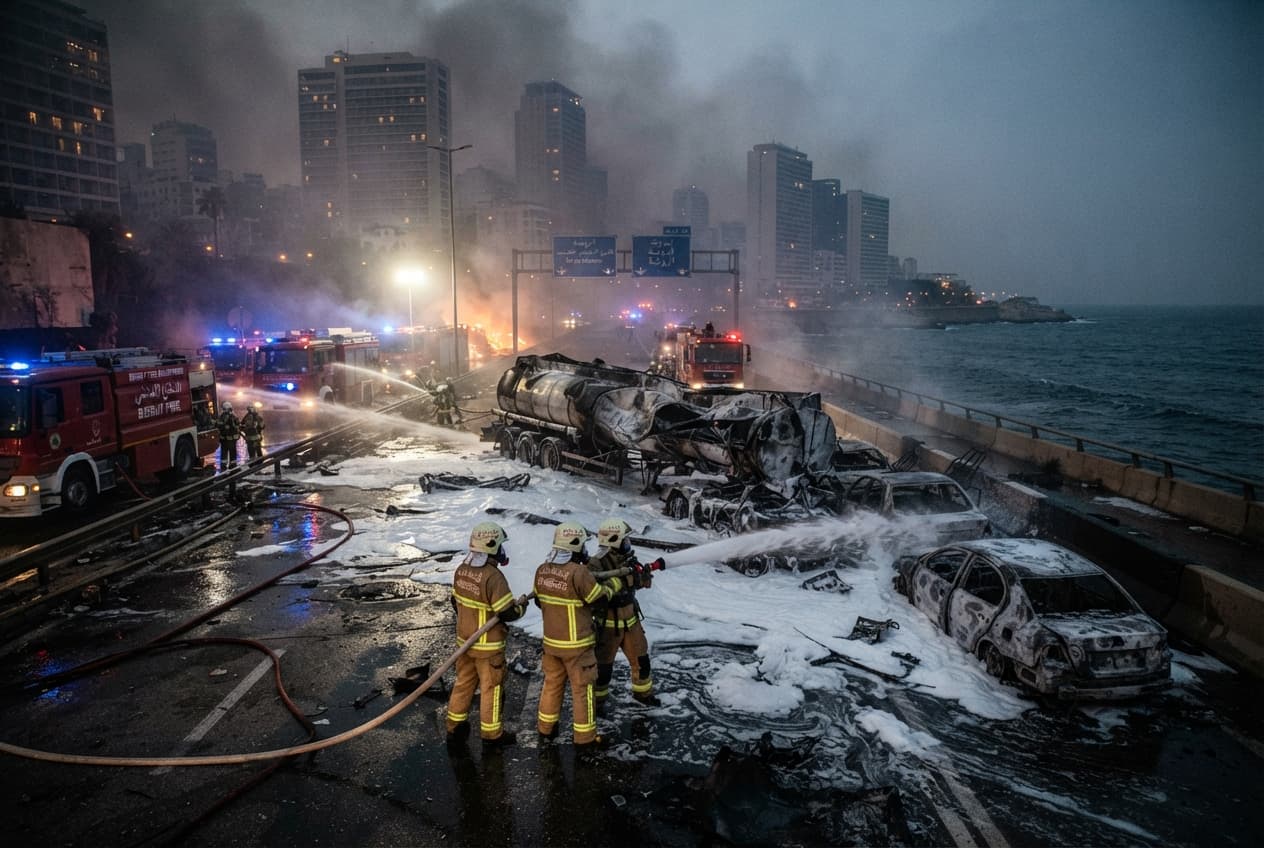
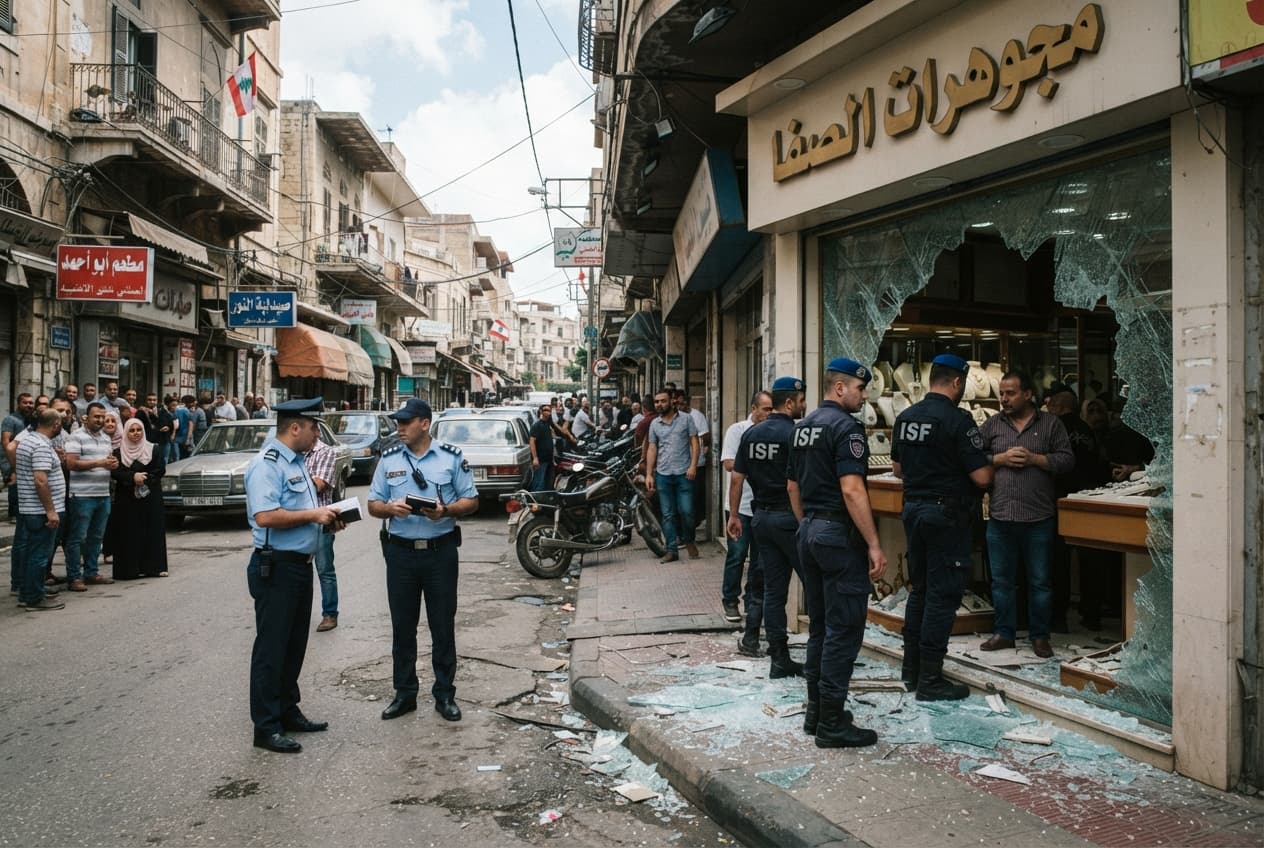
AI Image Disclaimer Illustrations were generated using AI tools to visually represent the scene and are not actual photographs of the incident.
Sources National Highway Traffic Safety Administration Centers for Disease Control and Prevention Insurance Institute for Highway Safety
Published by Banx Network. This article is part of the Banx decentralized media programme, powered by the BXE token on the XRP Ledger.