
Key Highlights
- European nations are preparing a maritime mission to secure the Strait of Hormuz.
- Rising tensions with Iran have disrupted shipping in this vital corridor.
- The initiative aims to restore confidence in global trade routes.
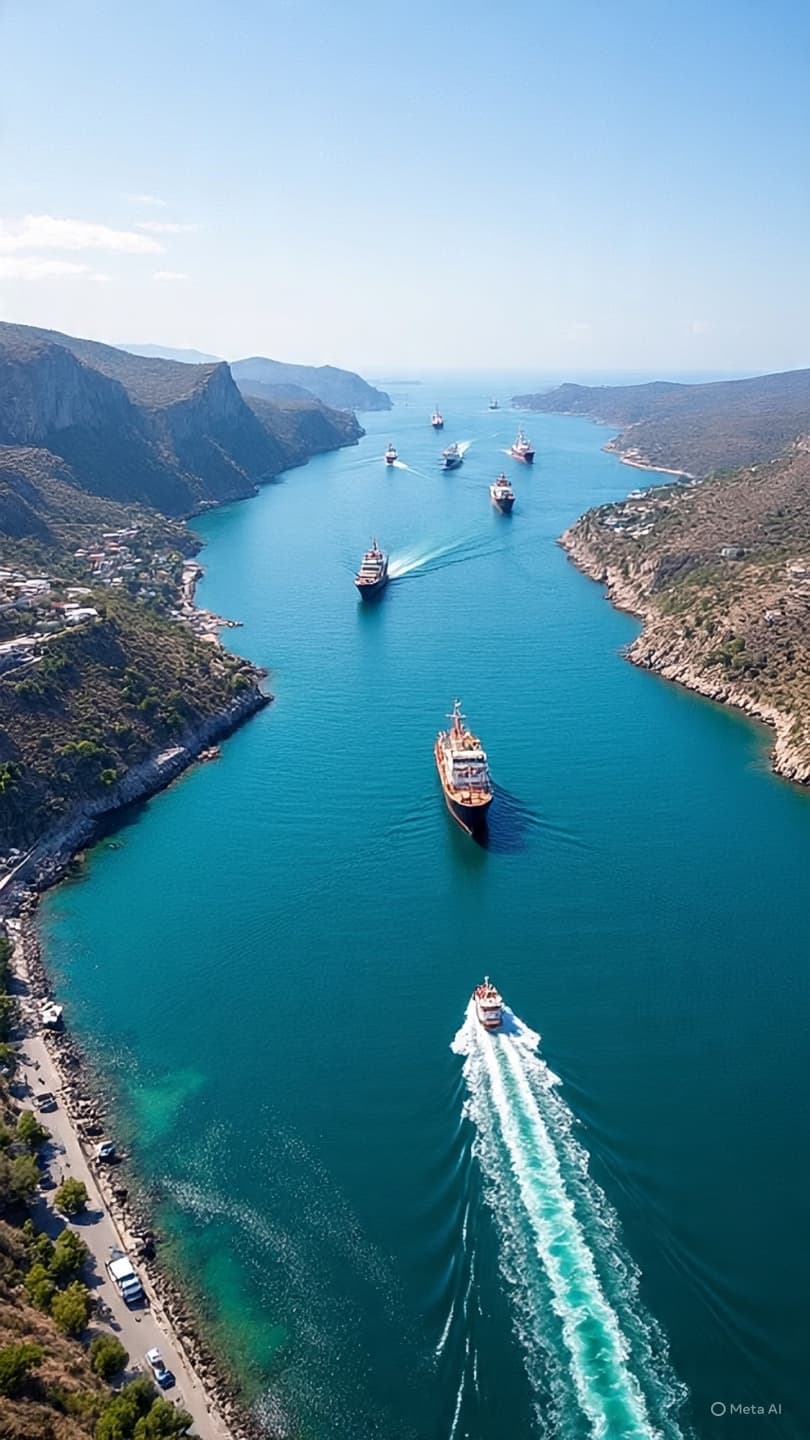
The Strait of Hormuz, a crucial passageway for global energy supplies, has recently become a focal point of geopolitical tension. Located at the edge of the Arabian Sea, this narrow waterway is essential for the transport of oil and gas, with approximately 20% of the world's petroleum passing through it. In recent weeks, reports have surfaced of increased Iranian military activity and interference with commercial shipping, leading to significant delays and heightened concerns among international stakeholders.
In response to these developments, a coalition of European nations is mobilizing to launch a maritime security mission aimed at ensuring safe passage through the strait. This initiative, which involves collaboration with various international partners, underscores the urgency of maintaining open trade routes that are vital for economic stability not only in Europe but globally. The coalition's plans include deploying naval assets for surveillance and escort operations, designed to reassure shipping companies and deter any further disruptions.
The historical context of the Strait of Hormuz reveals a pattern of vulnerability that has necessitated international intervention in the past. Previous crises have highlighted the delicate balance between maintaining navigation rights and avoiding escalation into broader conflicts. The current situation is no different, as European governments navigate the complexities of regional rivalries and the implications of their involvement in Middle Eastern affairs.
For European leaders, the stakes are high. The strait is not just a distant geopolitical concern; it is a lifeline for energy supplies that fuel homes and industries across the continent. Ensuring its security is viewed as a matter of national interest, intertwining foreign policy with domestic economic stability. As such, the coalition's mission is seen as both a practical necessity and a strategic maneuver to assert European influence in a region marked by uncertainty.
On the ground, the realities for crews aboard waiting tankers are stark. The uncertainty of their situation is palpable, as they adjust routes and monitor communications with heightened vigilance. Each passing day brings new challenges, as the presence of risk alters the dynamics of maritime operations. The strait, while physically unchanged, has taken on a new significance amid the rising tensions.
Iran's role in this unfolding scenario remains pivotal. The country's actions, whether assertive or defensive, shape the responses of international actors and influence the overall stability of the region. The ongoing dialogue between Iran and the coalition is characterized by a complex interplay of military posturing and diplomatic maneuvering, as both sides seek to navigate the precarious waters of international relations.
As preparations for the European-led mission advance, the Strait of Hormuz remains in a state of cautious anticipation. The objective is not merely to restore normalcy but to foster an environment of safety and confidence for maritime transit. Official statements emphasize the importance of gradual reopening, aiming for a return to the steady flow of shipping that is essential for global commerce.
In summary, the situation in the Strait of Hormuz is evolving, with a European coalition poised to take action in response to rising tensions linked to Iran. The mission reflects a broader commitment to securing vital trade routes and ensuring the stability of international energy supplies, highlighting the intricate connections between regional dynamics and global economic health.
Published by Banx Network. This article is part of the Banx decentralized media programme, powered by the BXE token on the XRP Ledger.



