
Key Highlights
- Investigators are examining fragments recovered from a stream near the crash site.
- The focus has shifted to mechanical factors and potential pre-impact failures.
- Spain's rail network is known for its safety, making crashes particularly impactful.
[Investigation Focus]
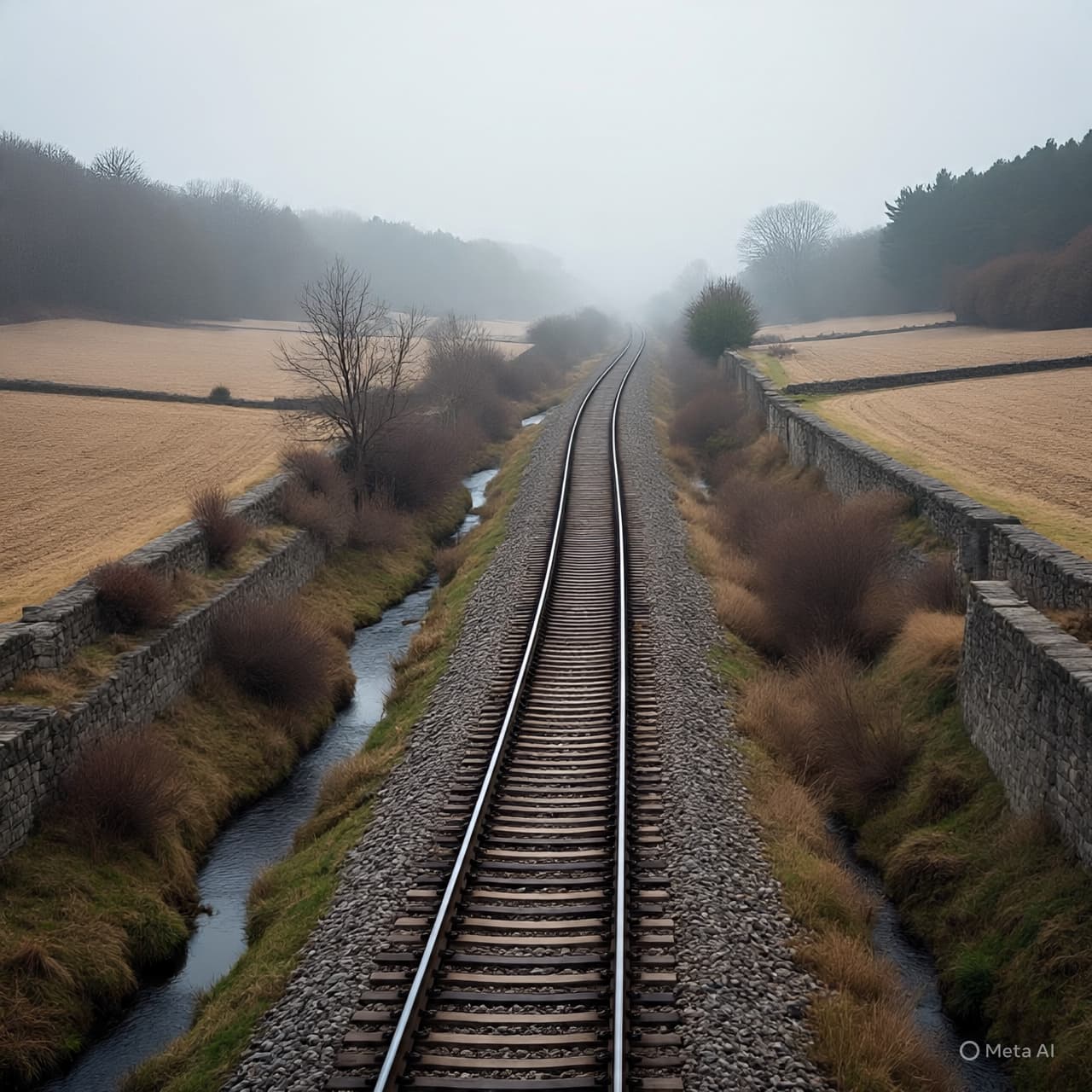
In the serene countryside of Spain, where the landscape gently slopes toward a stream, the recent rail crash has drawn renewed attention to the fragments of evidence lying beneath the surface. Investigators have turned their gaze to the small pieces of metal and wiring recovered from the stream adjacent to the accident site. These seemingly unremarkable remnants, absorbed by nature, may hold crucial insights into the events leading up to the disaster.
The crash unfolded in mere moments, transforming a routine journey into chaos. Initial investigations concentrated on factors such as speed, signaling, and human decision-making, retracing familiar paths through data logs and procedural reviews. However, the landscape surrounding the tracks has quietly preserved remnants of the incident, prompting a deeper examination of the mechanical aspects involved.
Recent recoveries from the stream have led investigators to explore whether the dislodged parts exhibit signs of pre-impact failure or damage incurred during the derailment. This distinction is vital, as it separates the cause from the consequences, intention from accident, and system from circumstance. Understanding these nuances is essential for restoring public trust in Spain's rail system, which has long been regarded as one of the safest in Europe.
[Public Response]
The rarity of crashes within Spain's extensive rail network adds weight to each incident, making the search for clarity all the more pressing. Families affected by the crash are anxiously awaiting updates, with each new detail, no matter how small, carrying significant emotional weight. Official communications are often measured by forensic timelines, but the human element remains paramount in the quest for answers.
As investigators sift through the evidence, the stream serves as a poignant reminder of the complexities involved in modern transportation. Water, while complicating the evidence, also preserves it, offering a chance to confirm or challenge existing conclusions. The stream did not cause the crash; it merely bore witness, holding onto pieces until someone thought to look.
[Lessons Learned]
The broader lesson from this tragedy is a familiar one: modern transport relies not only on speed and efficiency but also on vigilance. It is essential to notice what slips away from the obvious path. Sometimes, the answers lie not on the rails themselves but just beyond them, waiting in the quiet persistence of nature.
As the investigation continues, the hope remains that clarity will emerge from the fragments, allowing for a comprehensive understanding of the events that transpired and ensuring that such tragedies are prevented in the future.
Published by Banx Network. This article is part of the Banx decentralized media programme, powered by the BXE token on the XRP Ledger.



