
Key Highlights
- Iran announced a partial closure of the Strait of Hormuz amid U.S. negotiations.
- Nearly 20% of the world's oil passes through this critical waterway.
- Shipping insurers are adjusting risk premiums due to heightened tensions.
The Strait of Hormuz, a vital maritime corridor connecting the Persian Gulf to the open sea, has become a focal point of geopolitical tension as Iran recently announced a partial closure of the strait. This decision comes at a time when diplomatic talks between Iran and the United States are attempting to address years of sanctions and hostility. The partial closure is characterized by selective controls and increased inspections, leading to uncertainty among shipping operators and energy markets.
On an ordinary day, the strait sees nearly a fifth of the world’s oil and significant volumes of liquefied natural gas transit through its narrow waters. The strategic importance of this waterway cannot be overstated; it serves as a critical passage for energy supplies that fuel economies worldwide. The announcement of restrictions has sent ripples through global markets, reminding stakeholders of the fragility of energy flows that can be disrupted by geopolitical events.
Iran's decision to impose these restrictions is framed as a defensive measure, responding to what it perceives as escalating military pressure from the U.S. and its allies in the region. While the U.S. has called for restraint and emphasized the importance of freedom of navigation, the situation remains tense. The ongoing negotiations between the two nations are marked by cautious language, with both sides aware that the stakes are high.
The immediate effects of the partial closure are already being felt on the water. Shipping insurers have begun adjusting risk premiums, reflecting the increased uncertainty surrounding transit through the strait. Some shipping companies have advised their crews to maintain greater distances from potential conflict zones or to travel in convoys for added safety. Energy prices, which are already sensitive to supply disruptions, have begun to rise in anticipation of potential prolonged restrictions.
Historically, the Strait of Hormuz has been a site of tension and confrontation, with past incidents prompting swift reactions from markets and governments alike. What sets the current situation apart is the simultaneous unfolding of diplomatic negotiations alongside the imposition of restrictions. This duality creates a complex environment where the physical realities of shipping routes are intertwined with the abstract dynamics of international relations.
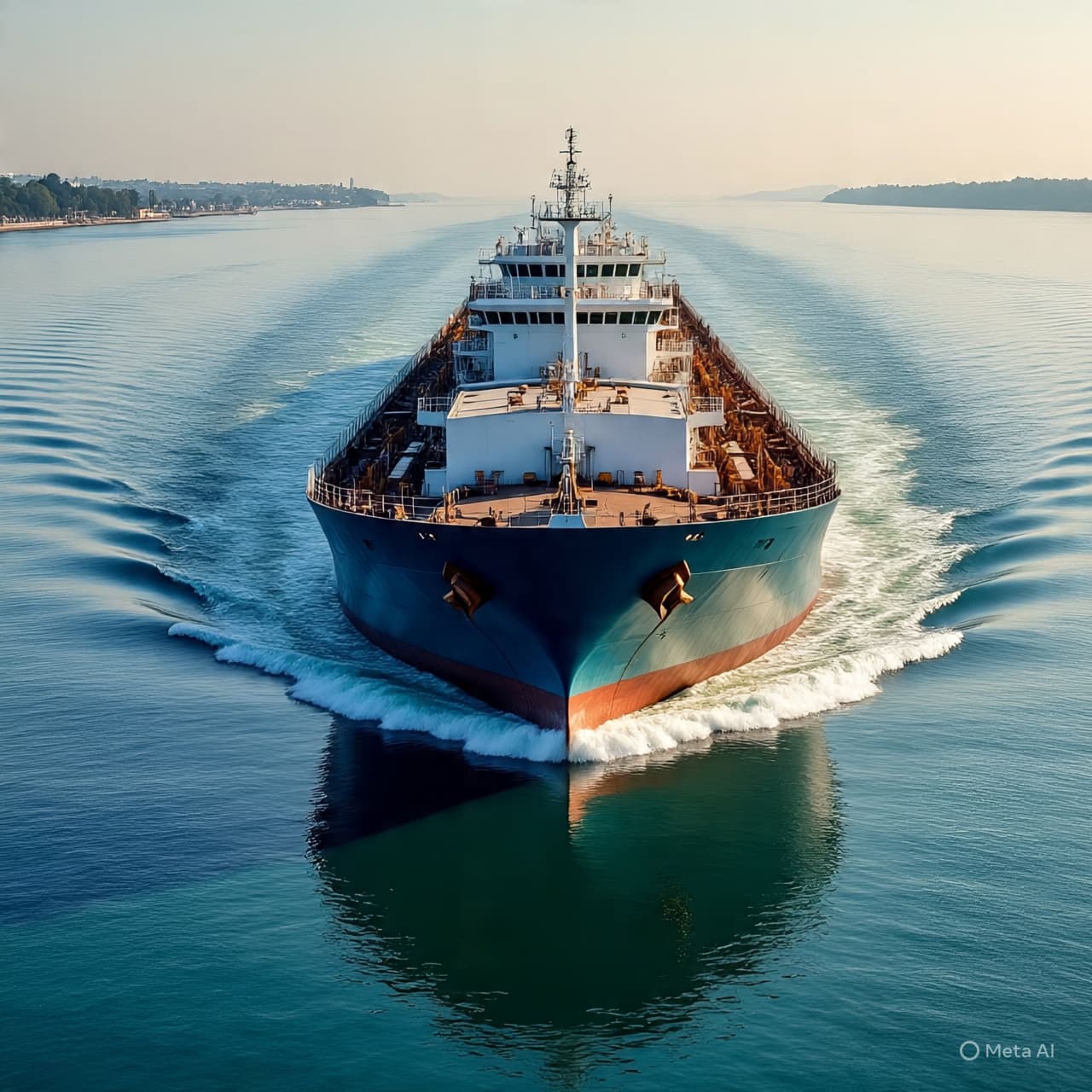
As the sun sets over the strait, the water remains open, albeit with a sense of unease. Ships continue to navigate the waters, but the volume is lower than usual, and caution prevails. The partial closure has not completely halted the flow of energy supplies, but it has certainly altered the rhythm of maritime traffic. The outcome of the ongoing talks will determine whether this situation is a temporary pause or the beginning of a more prolonged period of uncertainty.
For observers around the world, the Strait of Hormuz serves as a stark reminder of how global stability can hinge on the calm of a single channel. As negotiations continue, the world watches closely, aware that the implications of these developments extend far beyond the waters of the Persian Gulf.
Published by Banx Network. This article is part of the Banx decentralized media programme, powered by the BXE token on the XRP Ledger.



