
Key Highlights
- Incident:A fire at the Man Yuen building resulted in one fatality and multiple evacuations.
- Response:Over 300 residents were safely evacuated as firefighters battled the blaze.
- Investigation:Fire safety systems were operational, but concerns about subdivided living spaces remain.
On the evening of May 21, 2026, a tragic fire broke out in the Man Yuen building in Hong Kong, claiming the life of a 71-year-old man and forcing the evacuation of over 300 residents. The blaze, reported at approximately 10:49 p.m., rapidly engulfed a unit on the thirteenth floor, where living spaces are divided into nine small cells. This incident starkly highlights the vulnerabilities associated with subdivided living conditions in urban environments.
As the fire raged, the atmosphere shifted dramatically from the mundane to the catastrophic. Residents reported the sudden onset of smoke and heat, transforming their home into a scene of chaos. Firefighters arrived promptly, employing their expertise to contain the flames while guiding residents to safety. The exodus of hundreds from the building turned a private tragedy into a collective experience of survival, as they descended the stairwells under the flickering emergency lights.
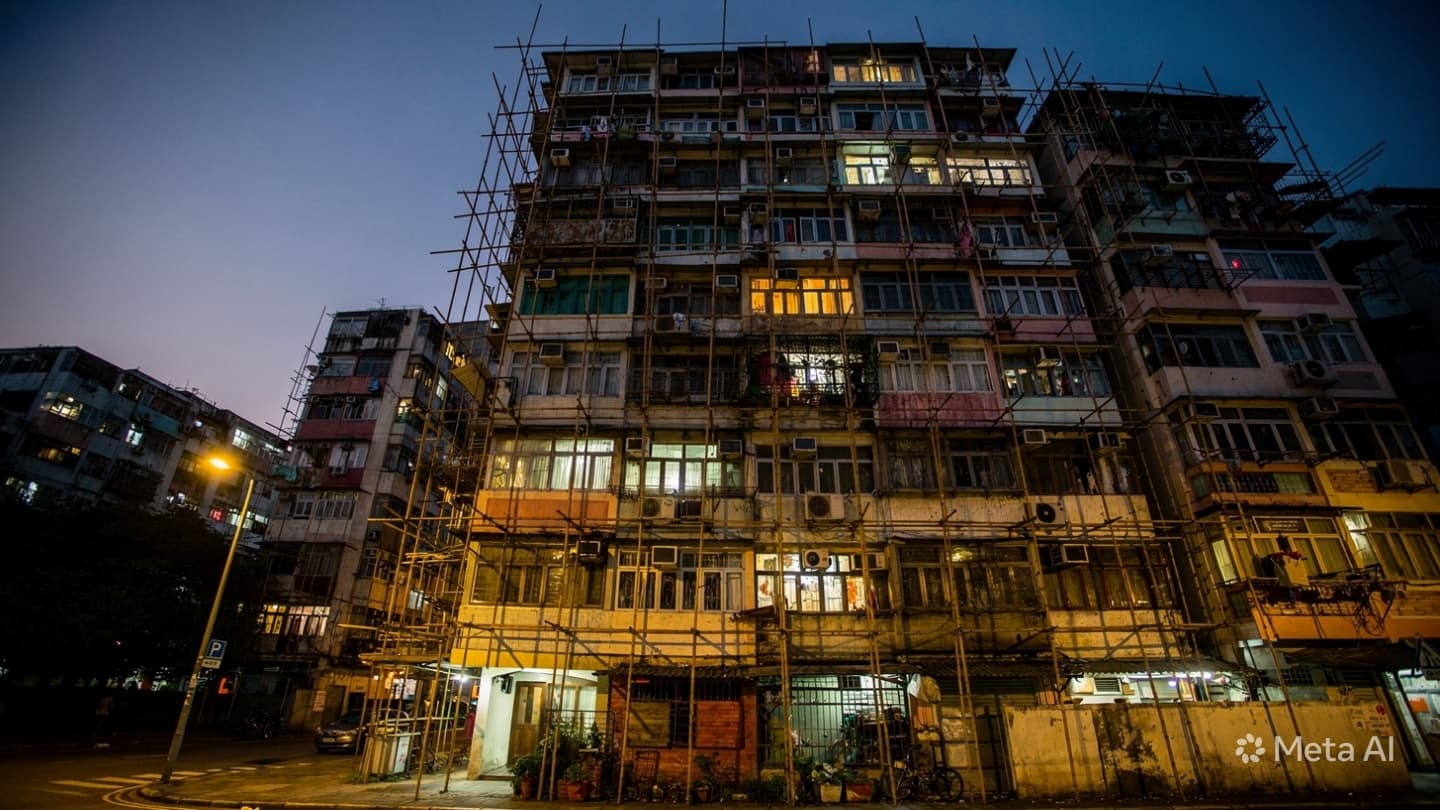
The Man Yuen, a structure that has stood for over sixty years, was undergoing renovations at the time of the fire. The presence of scaffolding added a layer of complexity to the emergency response, as firefighters navigated the building's intricate layout. Despite the operational fire safety systems, including alarms that alerted residents, the physical constraints of subdivided living spaces posed significant challenges during the evacuation.
In the aftermath of the fire, officials confirmed that the building's fire safety measures were in place and functioning. However, the incident raises critical questions about the safety of subdivided living arrangements, particularly in densely populated urban areas. The narrow corridors and small living units create a unique topography of vulnerability, where the risk of tragedy looms large.
As residents returned to the Man Yuen in the days following the fire, they found their homes irrevocably altered. The charred remains of the thirteenth floor serve as a haunting reminder of the fragility of life within urban structures. Neighbors now navigate their spaces with a heightened awareness of safety, forever changed by the events of that fateful night.
The emotional toll of the tragedy extends beyond the physical destruction. While three hundred people stood together on the pavement, the loss of one life reverberated through the community. It serves as a poignant reminder of the delicate balance between safety and risk in our living environments.
As investigations continue, the calls for improved safety measures and scrutiny of subdivided living conditions grow louder. The tragedy at the Man Yuen is not just a report of loss; it is a catalyst for change, urging a reevaluation of how we construct and inhabit our urban spaces. The lingering questions and the sorrow of the departed will echo through the corridors of the building for some time to come.
Published by Banx Network. This article is part of the Banx decentralized media programme, powered by the BXE token on the XRP Ledger.



