
Key Highlights
- Conflict Duration:Sudan's war enters its fourth year, beginning in April 2023.
- Displacement Crisis:Millions displaced internally and across borders due to ongoing violence.
- Humanitarian Needs:Access to food, water, and healthcare deteriorates amid instability.
In the heart of Khartoum, where the Blue Nile and White Nile converge, the landscape is marked not only by geography but by the weight of ongoing conflict. As Sudan enters its fourth year of war, the once vibrant city now bears the scars of a prolonged struggle that began in April 2023. This conflict, rooted in a power struggle between the Sudanese Armed Forces and the Rapid Support Forces, has transformed daily life into a series of fragmented experiences, where the echoes of violence disrupt the rhythm of existence.
The war has reshaped the fabric of Sudanese society, displacing millions and forcing families to abandon their homes in search of safety. The United Nations reports that the number of internally displaced persons has surged, with many fleeing to neighboring countries. This mass movement of people has become a defining characteristic of the conflict, as individuals carry the remnants of their lives into uncertain futures. In regions like Darfur, where violence has long been a part of life, the current war has exacerbated existing tensions, creating a complex web of challenges for humanitarian organizations.
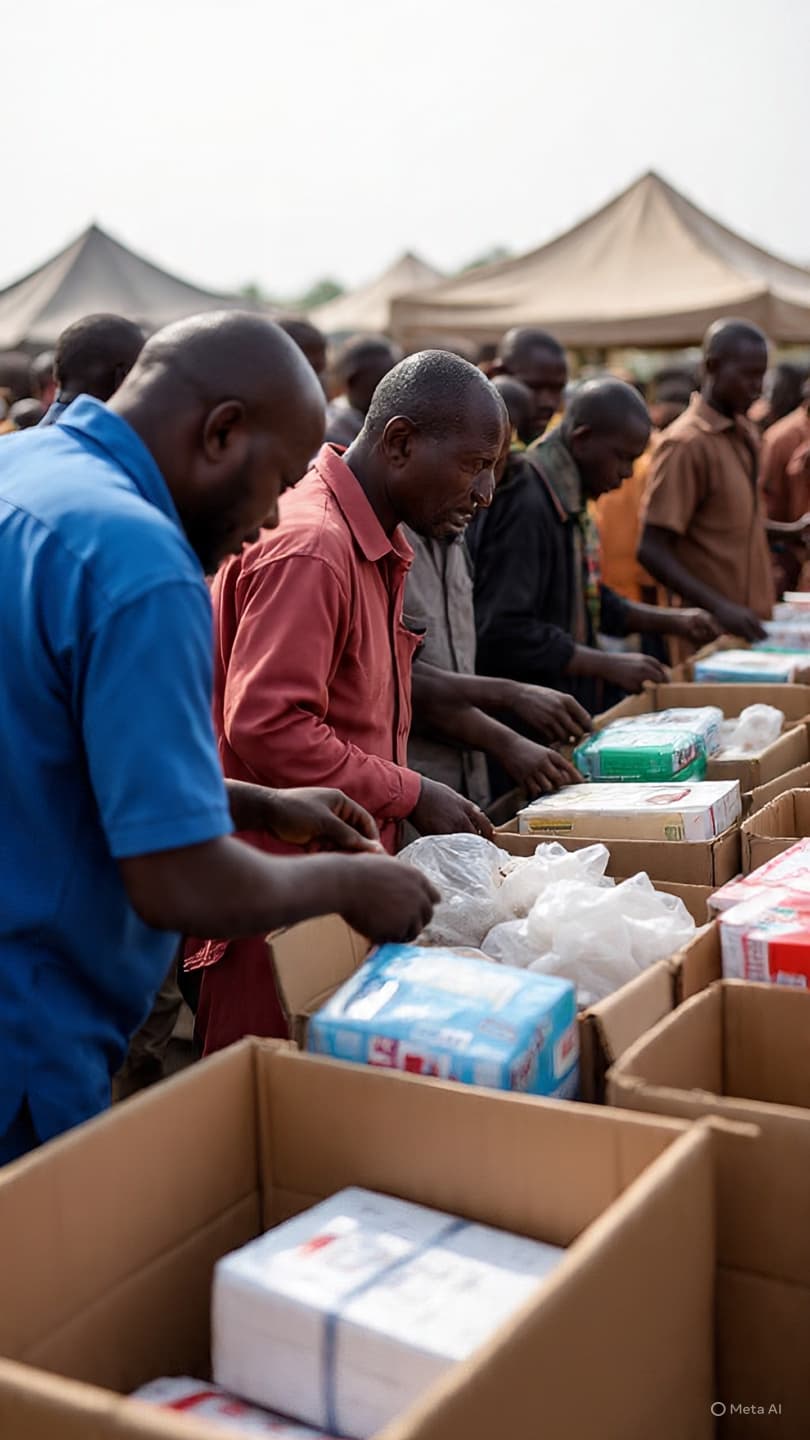
Amidst the chaos, the humanitarian situation has reached alarming levels. Access to food and clean water has become increasingly precarious, with health systems stretched to their limits. Aid organizations are working tirelessly to provide support, but their efforts are often hampered by limited resources and the ongoing violence. The term “abandoned crisis” has emerged among officials and humanitarian workers, reflecting a growing concern that the severity of the situation is not matched by international attention or response.
Diplomatic efforts to resolve the conflict have been sporadic and largely ineffective. Regional and international actors have attempted to broker ceasefires and facilitate negotiations, but these initiatives frequently collapse under the weight of renewed violence. The intricate political landscape of Sudan, characterized by deep divisions and a history of contested governance, complicates any attempts at resolution. As a result, the conflict continues to evolve, with no clear end in sight.
The disconnect between Sudan and the global community has become increasingly pronounced. While other crises capture headlines and international focus, Sudan's war persists with a quieter visibility. The phrase “abandoned crisis” encapsulates this disparity, highlighting a situation that, despite its severity, struggles to gain the sustained attention it deserves. This lack of engagement raises questions about the international community's commitment to addressing the humanitarian needs of those affected by the conflict.
Yet, life continues in Sudan, albeit under the shadow of uncertainty. In areas less impacted by fighting, markets still open, and children attend school when possible. These moments of resilience offer a glimpse into the enduring spirit of the Sudanese people, who navigate their lives amid fragility and fear. The passage of time, marked by the steady flow of the rivers, serves as a poignant reminder of the enduring nature of conflict and its profound impact on generations.
As Sudan's war enters its fourth year, the humanitarian needs remain vast, and the political path forward remains uncertain. The rivers of Khartoum flow on, unchanged by the turmoil surrounding them, symbolizing both the persistence of life and the unresolved nature of the conflict. The world is urged not to forget the struggles of those living in the shadows of war, as the quiet currents of Sudan's crisis continue to demand attention and action.
Published by Banx Network. This article is part of the Banx decentralized media programme, powered by the BXE token on the XRP Ledger.



