Morning at a nursery is usually a choreography of small rituals—coats hung on low hooks, lunchboxes lined in neat rows, the murmur of reassurance as parents kneel to say goodbye. The rooms are painted in colors meant to comfort, windows placed low so children can see the sky. Safety is assumed, folded quietly into every goodbye. It is this assumption that now feels shaken.
Parents are demanding answers after allegations involving Vincent Chan raised urgent questions about how a nursery—described by some families as trusted and well-regarded—could become what one parent called a “perfect hunting ground” for a paedophile. The phrase, stark and heavy, has echoed through community meetings and police briefings, reflecting not only anger but bewilderment.
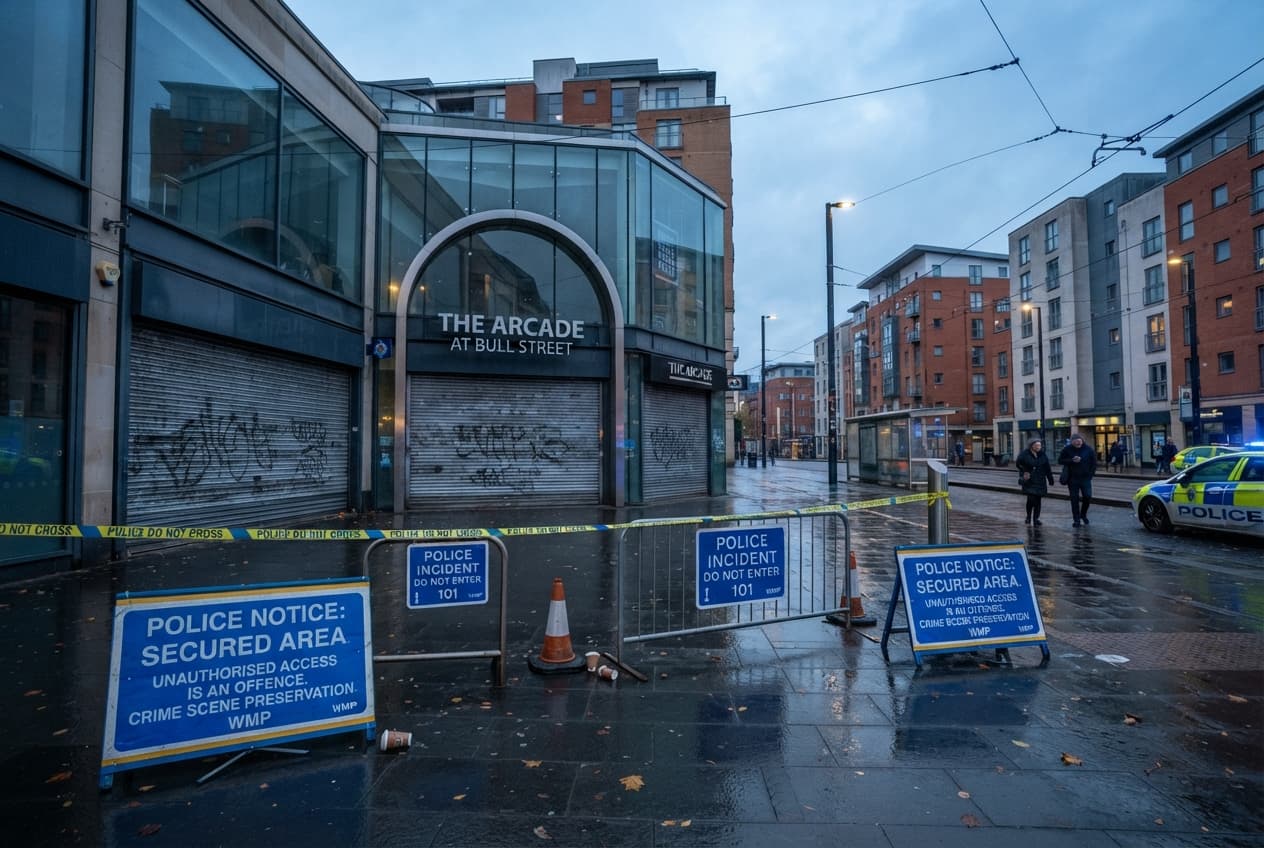
Authorities have confirmed that investigations into serious child sexual offences are ongoing. Detectives have urged anyone with information to come forward, while safeguarding teams review procedures that were meant to protect the very young children placed in their care. The case has drawn scrutiny to background checks, supervision protocols, and internal reporting systems—layers of precaution that parents believed were secure.
For families, the shock has unfolded in fragments. First came notification of an arrest, then the slow release of details through official channels. Some parents have spoken of replaying ordinary moments in their minds—birthday parties, artwork pinned to refrigerators, conversations at the nursery gate—now shadowed by the knowledge that something unseen may have been taking place. Trust, once routine, has become fragile.
Child protection experts note that early years settings depend on rigorous safeguarding frameworks: enhanced vetting, multi-staff supervision, mandatory reporting obligations, and regular inspections. When these systems fail—or appear to—confidence falters not only in one institution but across a wider network of care. Local authorities have pledged full cooperation with law enforcement and an independent review to examine how procedures were implemented and whether warning signs were missed.
The police have emphasized that investigations into child sexual abuse are complex and must proceed carefully to protect victims and preserve evidence. They have also reiterated the importance of avoiding speculation while inquiries continue. Yet for parents, waiting for clarity feels like standing still in unfamiliar terrain. Many are calling for transparent communication and structural reform to ensure that no similar environment can be exploited again.
The language of “hunting ground” suggests premeditation, opportunity, and vulnerability. It is a description that unsettles precisely because nurseries are designed as the opposite: places of first friendships, first drawings, first steps taken independently. When harm is alleged in such spaces, it feels not only criminal but disorienting, as though a boundary long assumed has quietly dissolved.
In the weeks ahead, investigations will continue, evidence will be examined, and accountability will be sought through the courts. For now, parents gather in living rooms and community halls, holding one another’s questions. They are asking how systems meant to protect could be breached—and how they might be strengthened so that the ritual of morning drop-off can one day feel ordinary again.
AI Image Disclaimer
Visuals are AI-generated and serve as conceptual representations.
Sources
BBC News The Guardian Sky News Local Police Authority NSPCC
Published by Banx Network. This article is part of the Banx decentralized media programme, powered by the BXE token on the XRP Ledger.