
Key Highlights
- President Trump's trade agenda is evolving ahead of the 2026 midterms.
- New tariffs may affect voter sentiment and economic conditions.
- Bipartisan concerns arise over the implications of higher import taxes.
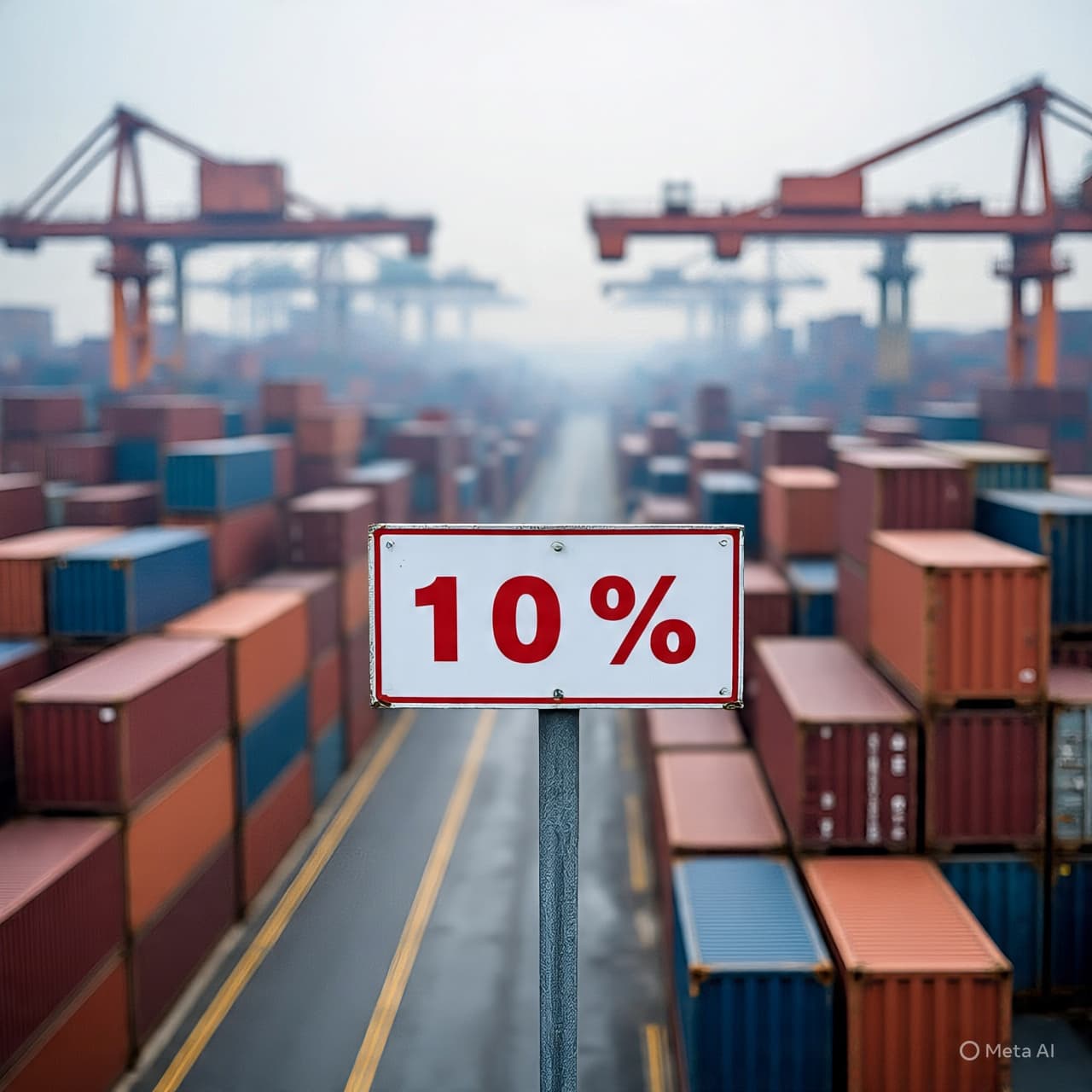
In the spring of 2023, a significant intersection of economic policy and political strategy has emerged in the United States, particularly surrounding President Donald Trump’s trade agenda. This convergence is not merely a fleeting moment; it is poised to reshape the political landscape as the nation approaches the 2026 midterm elections. Following a recent Supreme Court ruling that deemed his primary tariff authority unconstitutional, Trump has announced plans to implement new import levies under alternative legal frameworks, including a temporary global tariff of up to 15 percent. This move underscores his commitment to a protectionist trade stance amidst a complex legal backdrop.
As the midterm elections draw near, the timing of this renewed tariff initiative is particularly precarious. Lawmakers and voters alike are beginning to scrutinize the economic ramifications of increased import taxes and the uncertainty that prolonged trade disputes can create. Political analysts highlight that many of the new tariff authorities necessitate extensive investigations or congressional approval to extend beyond a limited timeframe. Consequently, the most impactful decisions regarding tariffs will likely coincide with the critical voting period, potentially influencing voter behavior.
Republican lawmakers facing re-election are navigating a challenging landscape. While proponents of tariffs argue that such measures can enhance domestic manufacturing and protect American jobs, there is growing concern among some GOP members that rising prices at the consumer level and broader trade disruptions could alienate voters. Notably, at least six Republican House members have allied with Democrats in efforts to curtail presidential tariff powers, reflecting a rare bipartisan apprehension regarding the implications of these policies.
The Supreme Court's ruling has also left unresolved issues surrounding the more than $130 billion in tariffs already collected under the now-invalidated policy. Businesses that have paid these tariffs are seeking clarity, and the potential for litigation and refund claims could extend into the election season, further complicating the political narrative.
Beyond the raw numbers, this situation illustrates a deeper tension at the intersection of law, economics, and public sentiment. Trade policy has historically been a cornerstone of Trump’s vision for American economic strength. However, as these policies become intertwined with the everyday costs faced by families and small businesses, they inevitably become focal points in campaign discussions. Voter surveys and economic indicators will likely highlight issues of inflation, affordability, and trade impacts as central themes in midterm debates.
As autumn approaches and the political landscape evolves, the narrative surrounding tariffs—along with their legal implications and political significance—will remain a crucial undercurrent influencing the 2026 midterm elections. The interplay between commerce and democracy serves as a reminder that policy and politics are inextricably linked, particularly at this pivotal crossroads in public life.
Published by Banx Network. This article is part of the Banx decentralized media programme, powered by the BXE token on the XRP Ledger.



