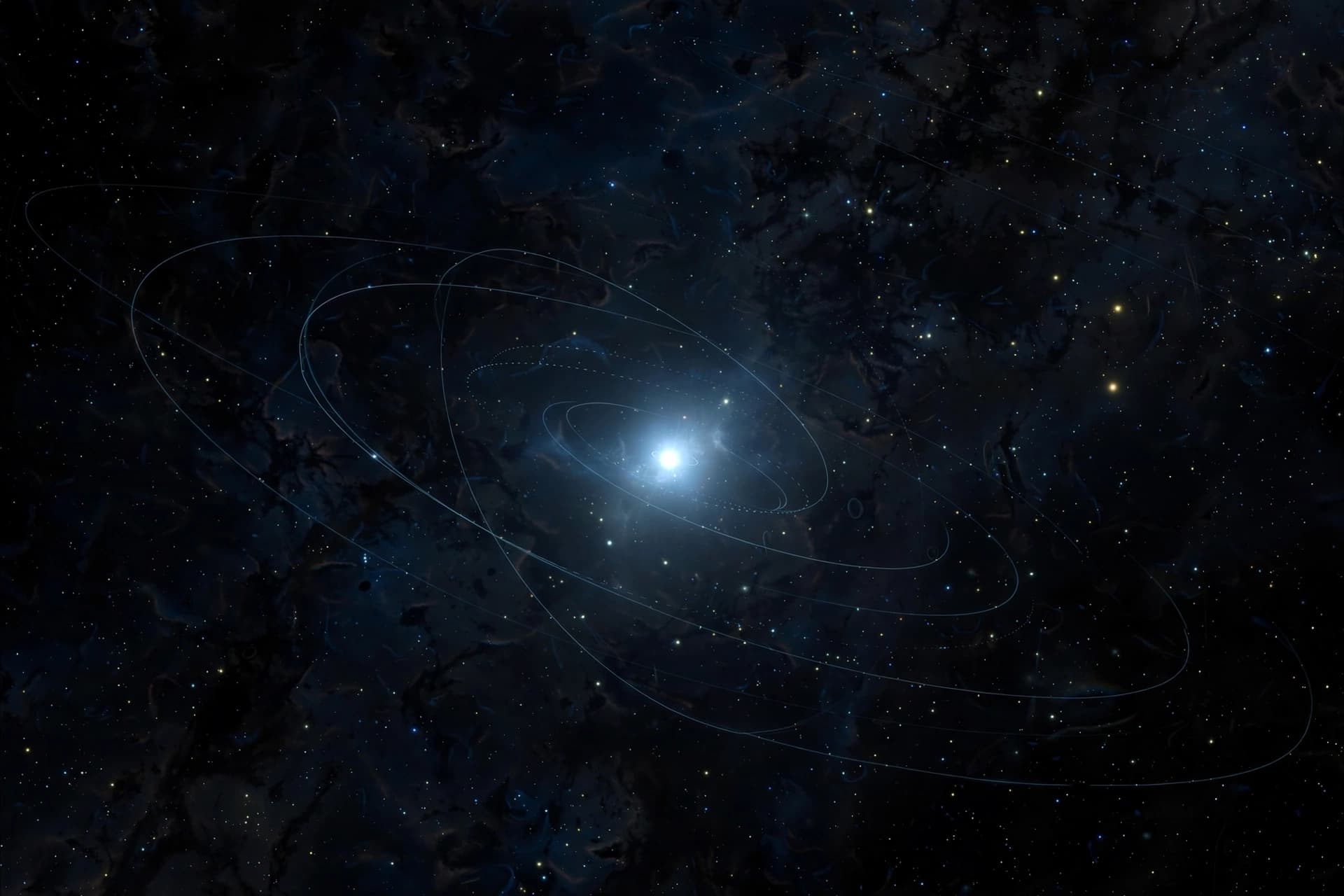
Each year, the night sky offers moments that feel both fleeting and timeless, as though the universe briefly opens a window into its quieter wonders. Meteor showers, with their streaks of light across darkness, are among these moments—simple to witness, yet endlessly evocative.
The Lyrid meteor shower, one of the oldest recorded meteor displays, is expected to return in 2026, offering observers a chance to see fast-moving streaks of light originating from debris left behind by a comet.
The shower typically peaks in late April, when Earth passes through a stream of particles shed by Comet Thatcher. As these particles enter the atmosphere, they burn up, creating the luminous trails commonly referred to as shooting stars.
To view the Lyrids, observers are generally advised to find a location away from city lights. Dark skies allow even faint meteors to become visible, enhancing the overall experience of the event.
The best time to watch is often during the pre-dawn hours, when the radiant point—the area of the sky from which the meteors appear to originate—is higher above the horizon. This point lies within the constellation Lyra.
While the radiant provides orientation, meteors can appear anywhere in the sky. As a result, a wide, unobstructed view is usually more beneficial than focusing on a single point.
Weather conditions and moonlight can influence visibility, making it helpful to check forecasts in advance. Clear skies and minimal lunar brightness tend to offer the most favorable viewing conditions.
Unlike some astronomical events that require specialized equipment, meteor showers can be enjoyed with the naked eye. A simple blanket or reclining chair often becomes the only necessary companion.
As the Lyrids return once more, they offer a quiet reminder of the vast rhythms beyond Earth—moments of light that pass quickly, yet linger in memory long after the sky grows still again.
AI Image Disclaimer: The visuals provided are AI-generated interpretations designed to depict the described astronomical scene.
Sources: NASA, Space.com, Sky & Telescope, National Geographic
Published by Banx Network. This article is part of the Banx decentralized media programme, powered by the BXE token on the XRP Ledger.