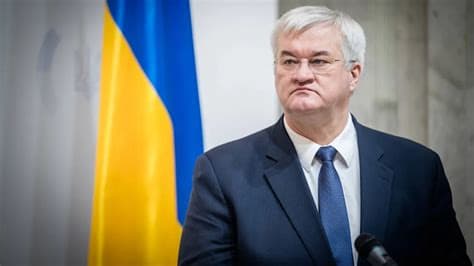
In the soft dawn of a new year, where old fractures in the Horn of Africa continue to cast long shadows, voices from the north reach out with a measured hope a reminder that even in political storms, there is room for calm winds of dialogue. Like a tree whose roots run deep yet still leans toward light, several Somaliland politicians are urging a path not of punitive edicts, but of conversation and mutual understanding.
On Thursday, lawmakers and ministers from Somaliland, many of whom reside in Mogadishu, offered an entreaty to the Federal Government of Somalia. They spoke not in shrill terms of confrontation, but in earnest tones about the lives and livelihoods of ordinary people who have woven their days between these lands. They cautioned that punitive actions whether economic constraints, restrictions on movement, or measures that might dampen security do little more than deepen wounds that history has already opened wide.
This appeal stands against the backdrop of rising regional tensions sparked by international events, such as the recent recognition of Somaliland by Israel a move that has animated strong reactions from Mogadishu and across the world. Yet within the corridors of power, the Somaliland voices chose not to inflame tempers but to remind all parties that punitive pressures have a way of hardening hearts rather than softening disputes.
Their statement gently urged an end to rhetoric that might “deepen divisions among Somalis.” Words, they implied, are like the morning breeze: when sharp, they chill the bones; when mild, they carry seeds of understanding.
These politicians reiterated an appeal for dialogue, for engagement rooted in respect and patience asking that disagreements be met not with force, but with sitting at the same table, speaking and listening in equal measure.
Echoes of this sentiment have found resonance beyond Somaliland’s representatives. Members of Somalia’s Federal Parliament who represent Somaliland regions have similarly pointed toward dialogue as the conduit for enduring peace, suggesting that unity however defined rests on conversations rather than coercion.
International partners have also underscored this approach. The European Union, in a recent statement, reaffirmed its belief that meaningful dialogue between Hargeisa and Mogadishu is essential to resolve longstanding issues respectfully and peacefully.
In this delicate moment, the appeal from Somaliland’s politicians is not merely about politics it’s a quiet invocation of empathy in a tense chapter of Somali affairs. Like the steady hands that guide a river’s course without damming it, this call for conversation suggests that progress is found not by raising barriers, but by lowering them.
As these entreaties continue to unfold into the days ahead, their true measure will be seen not only in policy statements but in the willingness of all parties to hear and to engage reminding us that in the realm of human affairs, words often carry as much weight as the mightiest of actions.
AI Image Disclaimer Visuals are created with AI tools and are not real photographs, meant only for conceptual illustration.
Credible sources found (mainstream/recognizable niche sources):
Hiiraan Online. Associated Press - (coverage of related protests & tensions around Somaliland recognition). Reuters - (coverage of international reactions to Somaliland recognition). EU foreign policy statements reported by Anadolu Agency - (supports dialogue call). Somali Dispatch - (statements by federal MPs/Senators supporting dialogue).
Published by Banx Network. This article is part of the Banx decentralized media programme, powered by the BXE token on the XRP Ledger.