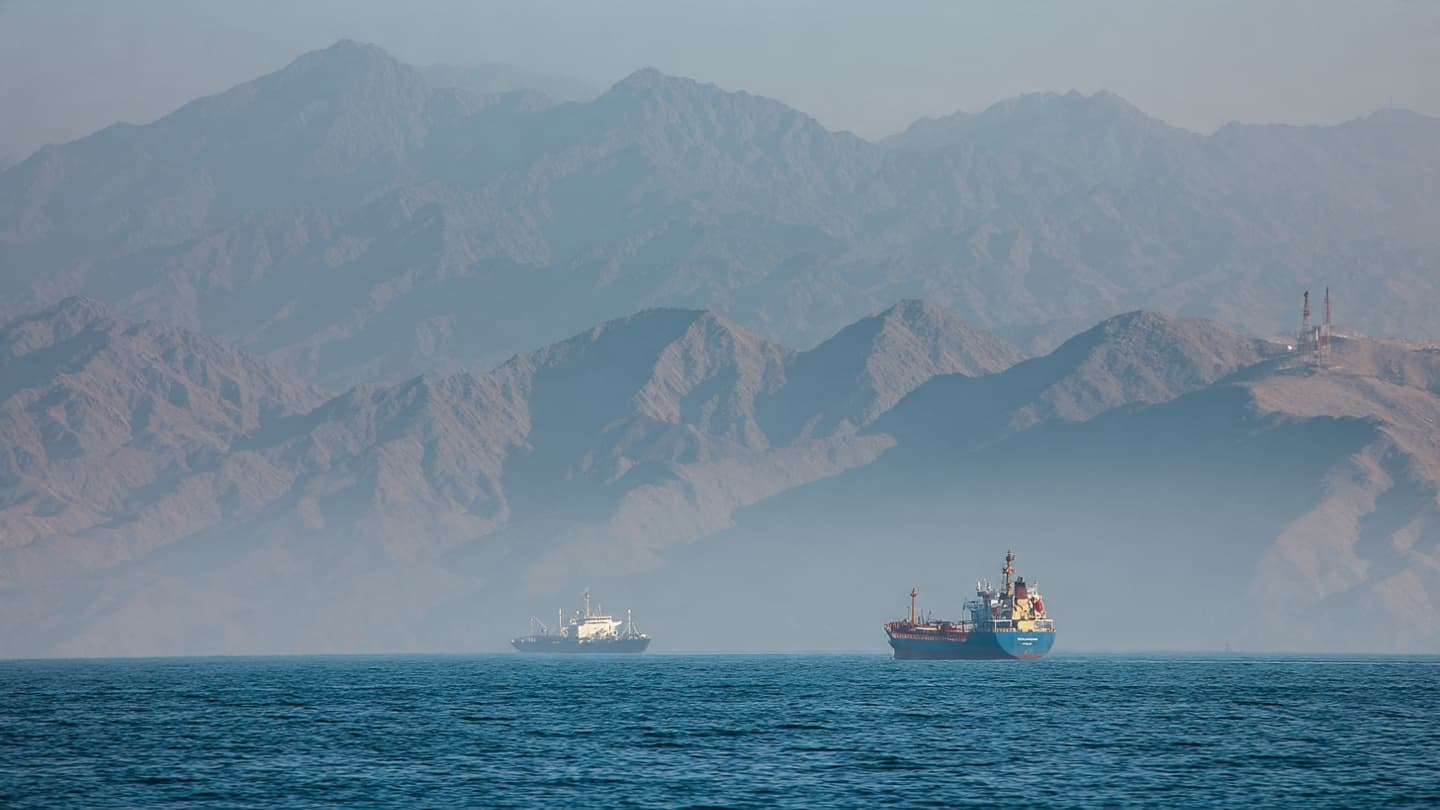
Morning light still settles over the waters of the Strait of Hormuz, painting the sea in quiet shades of blue and silver. Tankers remain scattered across the horizon, some waiting, others altering their routes, while distant patrol vessels trace careful paths through one of the world's most strategically significant waterways. Nature continues its familiar rhythm, yet beneath the calm surface lies a region where every movement carries consequences far beyond the Gulf itself.
Iran has reiterated that it is not engaged in direct negotiations with the United States, dismissing speculation that recent pauses in military activity have led to renewed bilateral talks. Iranian Foreign Ministry spokesperson Esmaeil Baghaei stated that Tehran has not requested a resumption of discussions with Washington, emphasizing that diplomatic contacts remain limited to technical consultations with Oman concerning maritime arrangements in the Strait of Hormuz.
Those discussions with Oman are centered on managing navigation through the strategic waterway rather than addressing the broader relationship between Tehran and Washington. Officials have stressed that the current exchanges concern practical mechanisms affecting maritime traffic, reflecting the immediate importance of shipping security while leaving wider political disagreements unresolved.
The Strait of Hormuz remains central to the unfolding situation. Iran maintains that there has been no change in its position regarding the passage, while commercial shipping continues to face significant disruption amid heightened military tensions. The narrow corridor serves as one of the world's most important energy transit routes, linking Gulf producers with global markets and making every development there closely watched by governments, shipping companies, and financial markets alike.
Across the wider region, diplomacy and deterrence continue to move together. The United States has paused additional strikes while leaving substantial military forces deployed nearby, describing the suspension as an opportunity to allow mediation efforts to continue. Regional intermediaries, particularly Oman, remain engaged in seeking practical arrangements that could reduce immediate risks without suggesting that a broader political settlement is close at hand.
For communities living along the Gulf, these developments are experienced less through official statements than through changes in daily routines. Port authorities monitor shipping schedules, fishermen watch naval activity offshore, and businesses dependent on maritime trade adapt to longer delivery times and higher transportation costs. The sea that has long connected nations through commerce now also reflects the delicate balance between caution and continuity.
Energy markets continue to follow each announcement with careful attention. Because a substantial share of the world's seaborne oil and liquefied natural gas normally passes through the Strait of Hormuz, prolonged disruption has implications extending far beyond the Middle East. Insurance costs, freight rates, and supply chains remain sensitive to every indication of whether maritime traffic may gradually normalize or face further restrictions.
History has often shown that diplomacy advances through measured steps rather than dramatic moments. Conversations conducted quietly through regional mediators rarely resolve longstanding disputes overnight, yet they can create the space necessary to prevent immediate escalation. Even when political positions remain unchanged, maintaining channels of communication may help reduce misunderstandings during periods of heightened tension.
For now, Iran continues to reject direct talks with the United States while maintaining discussions with Oman over maritime issues, and the future of the Strait of Hormuz remains closely tied to those ongoing efforts. The Gulf's waters continue to carry both commerce and uncertainty, reminding the world that some of the most consequential passages are measured not only in miles, but also in patience, restraint, and the enduring hope that dialogue may eventually find a wider course.
AI Image Disclaimer
The accompanying visuals are AI-generated illustrations created to represent the subject matter and should not be interpreted as authentic photographs.
Sources
Reuters CBS News Associated Press Reuters Breakingviews Oman News Agency
Published by Banx Network. This article is part of the Banx decentralized media programme, powered by the BXE token on the XRP Ledger.