
Key Highlights
- Ikana New Zealand Limited fined $20,000 for biosecurity violations.
- Company illegally received over 259,000 kg of green-lipped mussels.
- The mussels originated from a restricted biosecurity zone in Nelson and Marlborough.
In a significant legal ruling, Ikana New Zealand Limited, a seafood company based in Christchurch, has been fined $20,000 for breaching New Zealand's Biosecurity Act. The fine stems from the company's admission of receiving over 259,000 kilograms of live green-lipped mussels from a restricted biosecurity zone, an area designated to prevent the spread of marine diseases. This case underscores the delicate balance between industry practices and ecological stewardship along New Zealand's coastlines.
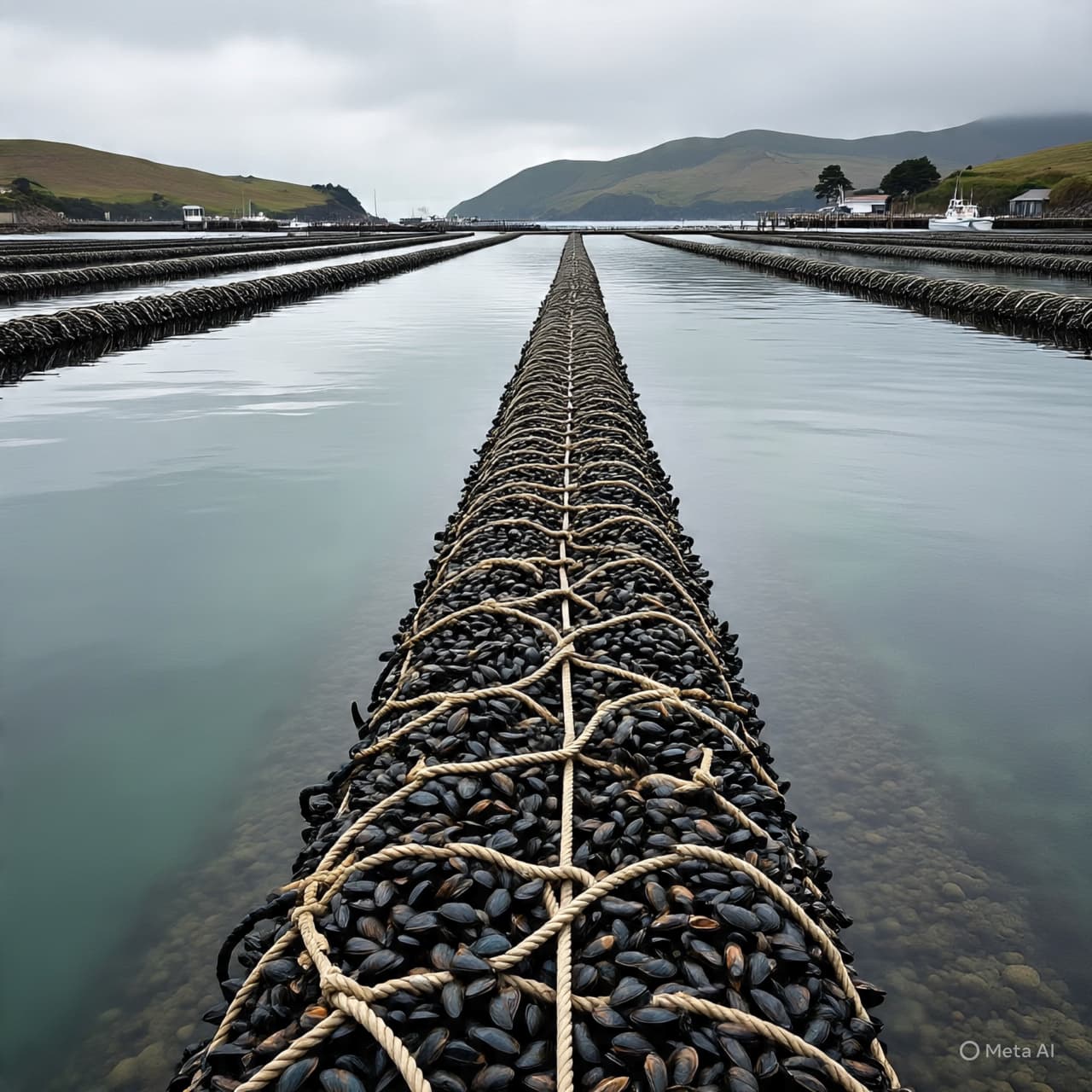
The green-lipped mussel, a species native to New Zealand, is not just a culinary delight but also a vital part of the marine ecosystem. The mussels are known for their distinctive jade color and are a significant economic resource for the region. However, their movement is tightly regulated to prevent the introduction of diseases that could disrupt local ecosystems. The charges against Ikana New Zealand Limited reflect a series of violations that, while seemingly minor in isolation, collectively pose a substantial risk to marine health.
The court's decision highlights the importance of adhering to biosecurity measures designed to protect New Zealand's unique marine environment. The nine charges brought against Ikana New Zealand Limited illustrate a pattern of disregard for these regulations, emphasizing the need for vigilance in the seafood industry. The biosecurity zones are established not merely as bureaucratic hurdles but as essential safeguards against potential ecological disasters.
As the tides of commerce flow, the pressures on seafood companies can lead to oversights that threaten the very ecosystems they rely upon. The case serves as a reminder that responsibility in environmental stewardship is paramount, and the consequences of neglect can ripple through the industry and beyond. The fine, while significant, may not fully encapsulate the potential long-term impacts of such violations on marine biodiversity.
The ruling brings closure to this particular case but opens up broader discussions about the responsibilities of seafood companies in New Zealand. As the industry continues to grow, the balance between economic gain and ecological preservation will be increasingly scrutinized. The court's decision reinforces the notion that the health of marine ecosystems is intertwined with the practices of those who harvest from them.
In conclusion, the fine imposed on Ikana New Zealand Limited serves as a crucial reminder of the importance of biosecurity in protecting New Zealand's marine environments. As the industry evolves, it is essential for companies to prioritize ecological integrity alongside their business operations, ensuring that the tides carry not just shells but a sustainable future for all.
Published by Banx Network. This article is part of the Banx decentralized media programme, powered by the BXE token on the XRP Ledger.



