
Key Highlights
- Widespread Damage:Strong winds caused significant disruptions across Atlantic Canada.
- Power Outages:Thousands of residents were left without electricity due to downed lines.
- Emergency Response:Authorities mobilized to clear roads and restore services.
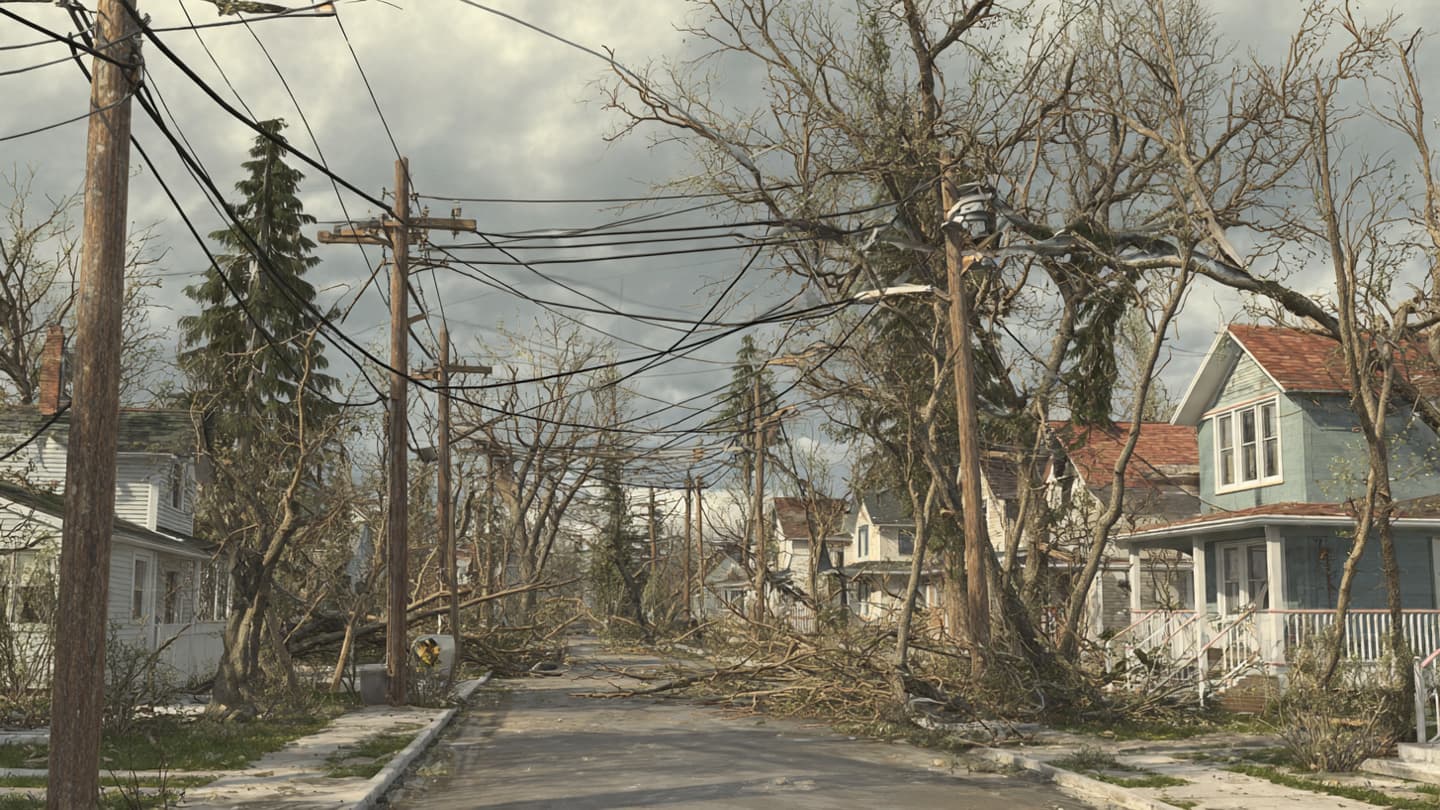
The wind arrived before dawn along Canada’s Atlantic coast, moving first through the trees and power lines before sweeping across harbors, neighborhoods, and quiet coastal roads. By morning, entire streets were covered in broken branches while utility crews worked beneath cold rain and shifting clouds restoring electricity to communities left suddenly in darkness.
Authorities confirmed that strong winds caused widespread disruptions across Atlantic Canada after storm conditions brought down trees, utility poles, and power lines throughout several provinces. Emergency services responded to road blockages, damaged property, and electrical outages affecting thousands of residents. The storm's impact was felt most acutely in Nova Scotia, New Brunswick, Prince Edward Island, and parts of Newfoundland, where the combination of heavy rain and high winds created hazardous conditions.
Meteorologists reported that wind gusts intensified overnight as a coastal weather system moved across the region. Officials warned that weakened trees and saturated ground increased the likelihood of additional infrastructure damage. The National Weather Service issued alerts for high winds and potential flooding, advising residents to remain vigilant and prepared for further disruptions.
Utility companies dispatched repair crews to affected districts where fallen branches severed power lines and blocked transportation routes. In some coastal communities, residents remained without electricity well into the day while emergency shelters prepared backup support for vulnerable households. The restoration efforts were complicated by ongoing adverse weather conditions, which hampered visibility and accessibility for repair teams.
Drivers encountered dangerous travel conditions along highways and rural roads where debris and standing water reduced visibility. Authorities urged residents to avoid unnecessary travel while municipal workers cleared intersections and secured damaged public infrastructure. The situation was particularly dire in areas where flooding threatened to isolate communities, prompting local officials to coordinate with emergency services for swift responses.
Along the coastline, waves crashed against harbor walls under dark skies while fishing vessels remained docked due to rough maritime conditions. Residents described hearing trees cracking through the night as strong gusts rattled homes and shook windows across exposed coastal communities. Many reported sleepless nights as the storm's intensity kept them on edge, fearing for their safety and property.
Despite the disruption, daily routines slowly resumed beneath lingering wind and rain. Small cafés reopened using generators, school buses adjusted routes around blocked roads, and neighbors gathered outdoors helping remove fallen branches from driveways and sidewalks. Community spirit shone through as residents banded together to support one another in the aftermath of the storm.
By evening, weather agencies stated that wind conditions were gradually weakening though cleanup operations and power restoration efforts would continue across Atlantic Canada through the following day. As communities began to assess the damage, local leaders emphasized the importance of resilience and preparedness for future storms, urging residents to stay informed and connected.
Published by Banx Network. This article is part of the Banx decentralized media programme, powered by the BXE token on the XRP Ledger.



