
Key Highlights
- Typhoon Sinlaku caused significant damage across the Northern Mariana Islands and Guam.
- Emergency services are assessing the impact and coordinating recovery efforts.
- The storm highlights the ongoing challenges posed by climate change in the region.
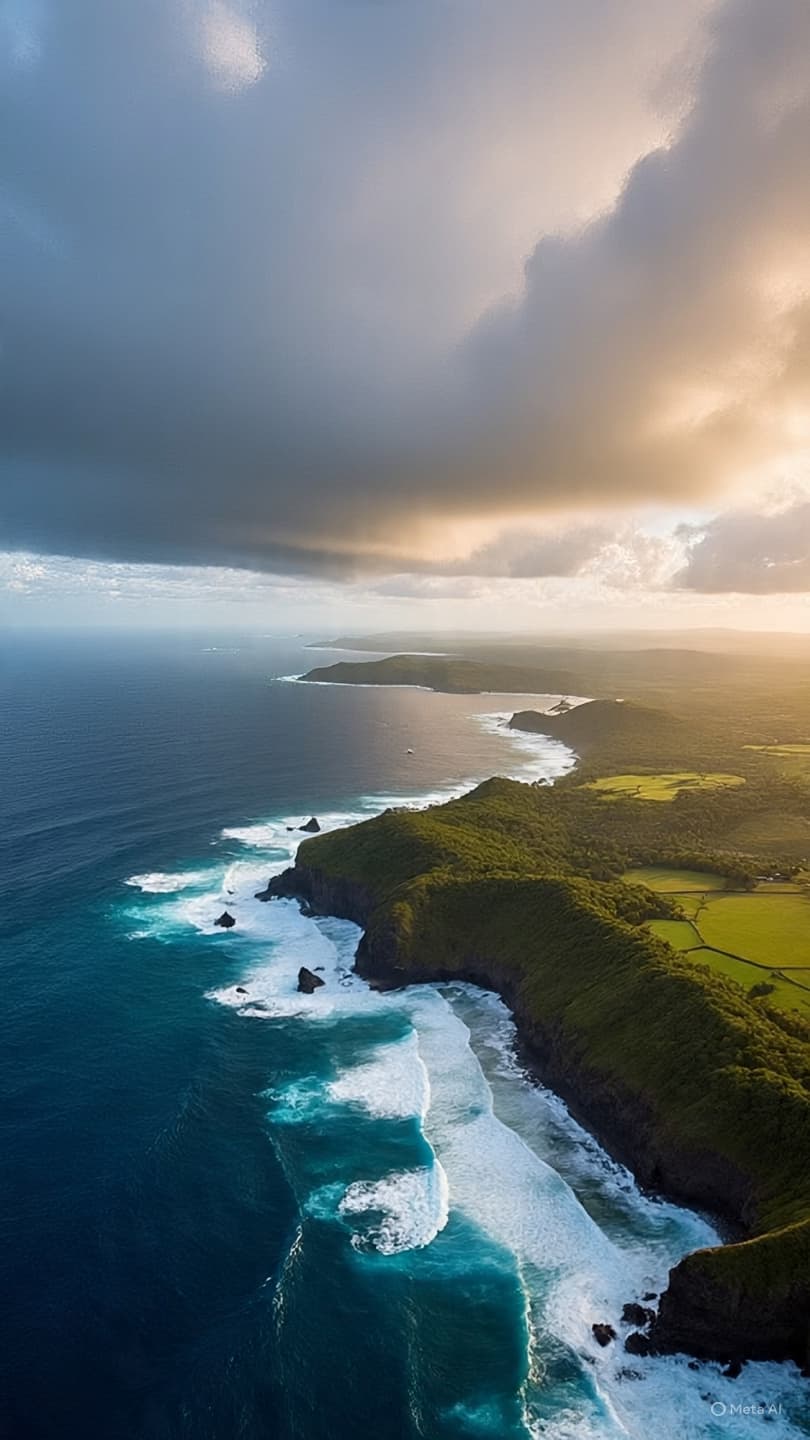
Typhoon Sinlaku swept through the Northern Mariana Islands and Guam, leaving a trail of destruction and disruption in its wake. As dawn broke, the ocean's surface transformed into a chaotic expanse, with winds intensifying and rain falling in relentless sheets. The storm's approach was marked by a familiar yet unsettling rhythm, as residents braced for the impact of nature's fury.
In Guam, the streets quickly became rivers, with floodwaters inundating homes and businesses. Power lines swayed precariously under the force of gusts reaching up to 130 mph, leading to widespread outages and communication disruptions. The aftermath revealed a landscape littered with debris, as communities began the arduous task of recovery and rebuilding.
Meteorological agencies closely monitored Sinlaku's trajectory, issuing warnings that resonated through local networks. For many residents, these alerts are a part of life in the Pacific, a reminder of the seasonal storms that shape their existence. However, the uncertainty that accompanies each storm remains a constant source of anxiety, as families prepare for the worst while hoping for the best.
Reports indicate that the storm caused significant damage to infrastructure, with emergency services mobilizing to assess the extent of the impact. Flooded streets and damaged neighborhoods presented challenges for recovery efforts, as crews navigated through the remnants of the storm. In areas where Sinlaku lingered, water pooled in low-lying regions, altering the landscape and daily routines for residents.
The resilience of the communities in Guam and the Northern Mariana Islands is evident in their response to such disasters. Their histories are intertwined with the ocean's cycles, and the process of preparation, response, and rebuilding is a continuous journey. Each storm, including Sinlaku, serves as a reminder of the delicate balance between land and sea, and the ongoing challenges posed by climate change.
Scientists have noted that warming sea temperatures can intensify storms in this region, complicating weather patterns that were once more predictable. While no single storm can define a trend, each contributes to a broader understanding of how climate and ocean conditions are evolving. Sinlaku, therefore, becomes not just a weather event but a significant data point in the ongoing narrative of climate change.
As the skies clear and recovery efforts begin, attention shifts to restoration. Crews are working diligently to repair damaged infrastructure, while families return to assess their homes. The process of recovery is gradual, influenced by available resources and the lingering effects of the storm. Officials are expected to continue evaluating the damage and coordinating relief efforts in the days ahead.
In the wake of Typhoon Sinlaku, the Northern Mariana Islands and Guam face a challenging road to recovery. Yet, the resilience of these communities shines through, as they navigate the complexities of rebuilding and adapting to an ever-changing climate. The storm may have passed, but its impact will be felt for some time, serving as a poignant reminder of the forces that shape life in the Pacific.
Published by Banx Network. This article is part of the Banx decentralized media programme, powered by the BXE token on the XRP Ledger.



