
Key Highlights
- Recent surveys indicate a stabilizing trend in koala populations in New South Wales.
- Habitat restoration and stricter land-clearance regulations are aiding recovery efforts.
- Wildlife monitors report higher survival rates for young joeys in protected areas.
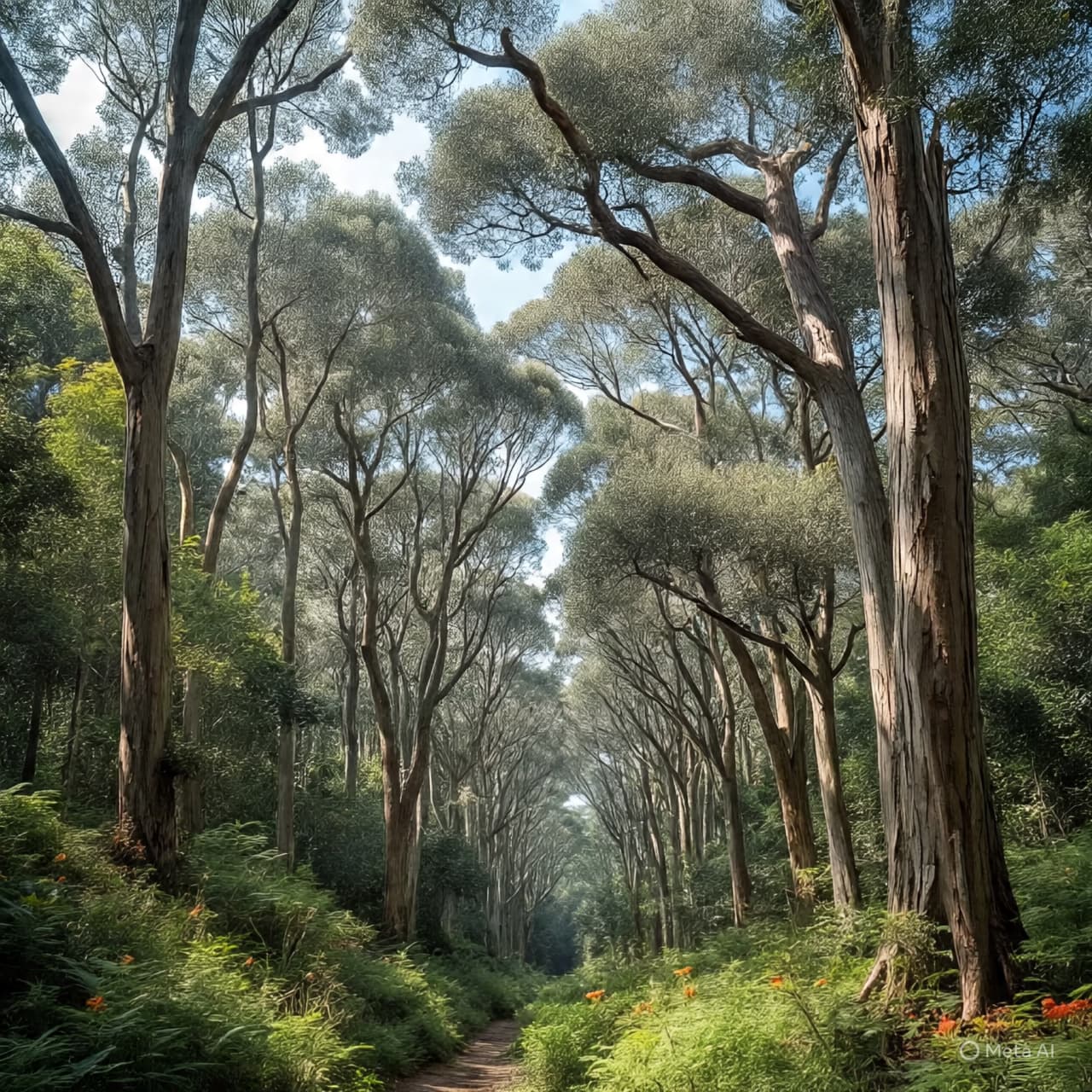
The Australian bush is a unique ecosystem, characterized by its dry rustles and high-pitched chirps, which define the wild. For years, the soundscape of New South Wales felt incomplete, as the koala population faced significant threats from habitat loss and climate change. However, recent ecological surveys suggest that the rhythm of this environment is beginning to mend, with signs of recovery emerging for the iconic koala.
The recovery of a species is rarely a dramatic event; rather, it unfolds through a series of small victories. Observers in New South Wales have noted the sight of mother koalas moving through the trees with their joeys, a hopeful sign of population stability. Fresh markings on eucalyptus trunks, once abandoned, now indicate a return of these beloved marsupials to their natural habitat. These moments, though subtle, are crucial indicators of a landscape healing from the scars of past wildfires and human encroachment.
Protected corridors have been established to safeguard these koalas, emphasizing the importance of preserving their biological legacy. The air in these areas is thick with the scent of eucalyptus and the promise of continuity. The movement of life here is measured in the slow, deliberate actions of koalas as they navigate their environment, contrasting sharply with the fast-paced world beyond the forest.
Wildlife monitors have reported a renewed vitality in these regions, suggesting that the balance of the ecosystem is tilting back toward stability. This resurgence is a testament to the resilience of koalas, which have become emblematic of Australia’s natural heritage. Observing them in their natural habitat underscores the vital connection between the health of the land and the survival of its inhabitants.
These corridors serve not only as sanctuaries but also as living laboratories for coexistence, where the needs of wildlife are balanced against human development. The success of these areas offers hope that past mistakes can be rectified through patience and dedicated stewardship. The community takes pride in these signs of life, recognizing that the loss of koalas would signify a loss of identity for the region.
As the sun sets over the Great Dividing Range, the silhouettes of koalas in the trees become part of the enduring landscape. Their presence serves as a reminder that even in the face of adversity, the drive to survive is a powerful force. While the work to protect these animals is ongoing, the current data reflects a moment of progress, highlighting the collective efforts of individuals and organizations committed to conservation.
Recent surveys indicate that habitat restoration efforts and stricter land-clearance regulations are contributing to higher survival rates for young joeys. Environmental agencies continue to monitor these zones to ensure that the recovery remains sustainable against future challenges. The story of the koalas is not just one of survival; it is a narrative of resilience that belongs to the land, the trees, and the people who refuse to look away.
Published by Banx Network. This article is part of the Banx decentralized media programme, powered by the BXE token on the XRP Ledger.



