
Key Highlights
- UAE's Departure: The United Arab Emirates will leave OPEC effective May 1, ending nearly six decades of membership.
- Rising Oil Prices:Brent crude has surged above $111 a barrel amid geopolitical tensions.
- Strategic Shift:The UAE aims for greater flexibility in its oil production and market strategies.
The morning sun casts a soft glow over the Gulf, illuminating the intricate balance of power that has long defined this region. As the world watches, the United Arab Emirates (UAE) has announced its decision to exit the Organization of the Petroleum Exporting Countries (OPEC) effective May 1, marking a pivotal moment in the geopolitical landscape of the Middle East. This departure, after nearly sixty years of membership, comes at a time when tensions in the region are palpable, particularly concerning the ongoing negotiations between the United States and Iran.
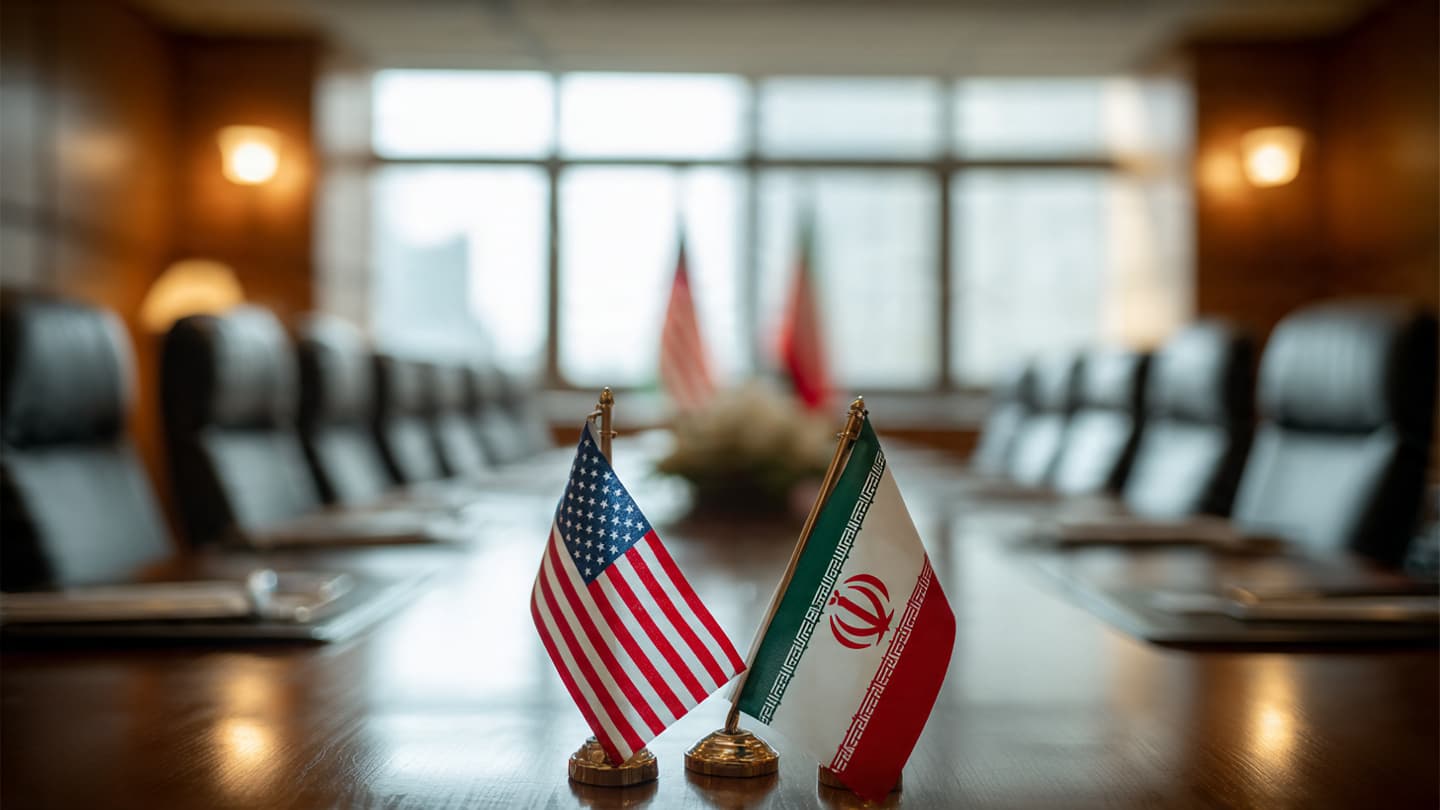
The Strait of Hormuz, a critical maritime chokepoint for global oil shipments, has become a focal point of these tensions. Iran's recent proposals to ease its blockade in exchange for lifted sanctions have added complexity to an already fraught situation. However, the U.S. remains hesitant to decouple these issues, leading to a diplomatic stalemate that has significant implications for oil markets worldwide.
In the context of these developments, the UAE's exit from OPEC is not merely an economic decision; it reflects a broader strategic shift. The Emirates have invested heavily in expanding their oil production capacity, with plans to increase output to as much as 5 million barrels per day in the coming years. This ambition has often clashed with OPEC's output quotas, which prioritize price stability over production growth. The UAE's leadership has increasingly sought flexibility to respond to market demands, a desire that has now culminated in this historic decision.
The friction between the UAE and OPEC's de facto leader, Saudi Arabia, has been evident in past meetings, where differing priorities regarding oil production have surfaced. While Riyadh has favored tighter controls to maintain price stability, Abu Dhabi has pushed for a more growth-oriented approach. This divergence in strategy has been a silent undercurrent in OPEC discussions, but it has now erupted into a decisive break.
Officials from the UAE have characterized their departure as a result of a "careful and long review" of their energy strategies. This diplomatic language, while polished, belies the reality that the Emirates are seeking greater autonomy in their oil production decisions. Outside the constraints of OPEC, the UAE can respond more nimbly to fluctuations in global demand, increasing production when necessary and capitalizing on market opportunities without the limitations imposed by collective quotas.
This move also signifies a shift in the UAE's identity on the global stage. In recent years, the Emirates have cultivated stronger ties with Asian markets, the United States, and Israel, positioning themselves as a key player in both regional and global energy discussions. The decision to leave OPEC is emblematic of this evolving identity, as the UAE steps away from a shared framework that no longer aligns with its ambitions.
The implications for OPEC are profound. The UAE has been one of the few member states with significant spare production capacity, which has historically allowed the organization to stabilize markets in times of volatility. Without this buffer, OPEC's ability to manage oil prices may be compromised, leading to a more fragmented market landscape.
As the geopolitical landscape continues to shift, the UAE's departure from OPEC represents not just a change in membership but a reconfiguration of power dynamics in the Gulf. With ongoing conflicts and economic uncertainties, the region is poised for further transformation as nations navigate the complexities of energy production and international relations.
In this evolving narrative, the UAE has chosen to embrace change rather than remain stagnant, signaling a new chapter in Gulf politics and energy strategies. As the sun sets over the Gulf, the waters may be waiting, but the Emirates are moving forward.
Published by Banx Network. This article is part of the Banx decentralized media programme, powered by the BXE token on the XRP Ledger.



