
Key Highlights
- Iran blames U.S. and Israel for rising tensions in the Strait of Hormuz.
- Approximately one-fifth of the world's oil passes through this critical maritime corridor.
- Global energy markets are reacting to fears of supply disruptions.
The Strait of Hormuz, a narrow passage between the Arabian Peninsula and Iran, serves as a crucial maritime corridor for global energy supplies. Recent developments have intensified concerns over the stability of this vital route, as Iranian officials accuse the United States and Israel of military aggression that threatens the flow of oil and gas. This situation has prompted a ripple effect across international markets, raising alarms about potential disruptions in energy supplies.
Iran's government has framed the escalating tensions as a direct response to perceived provocations from Washington and Jerusalem. Iranian leaders argue that these actions not only exacerbate geopolitical strains but also jeopardize the energy security of nations reliant on the strait for their oil and gas imports. This narrative, while familiar to those following Middle Eastern politics, takes on new urgency given the strait's significance in global energy logistics.
Approximately 20% of the world's oil passes through the Strait of Hormuz, making it a focal point for energy markets. Recent fluctuations in fuel prices reflect the anxiety surrounding this corridor, as investors and policymakers brace for the possibility of supply disruptions. The interconnectedness of global energy markets means that any hint of instability in the strait can lead to immediate repercussions, including rising costs for consumers and businesses alike.
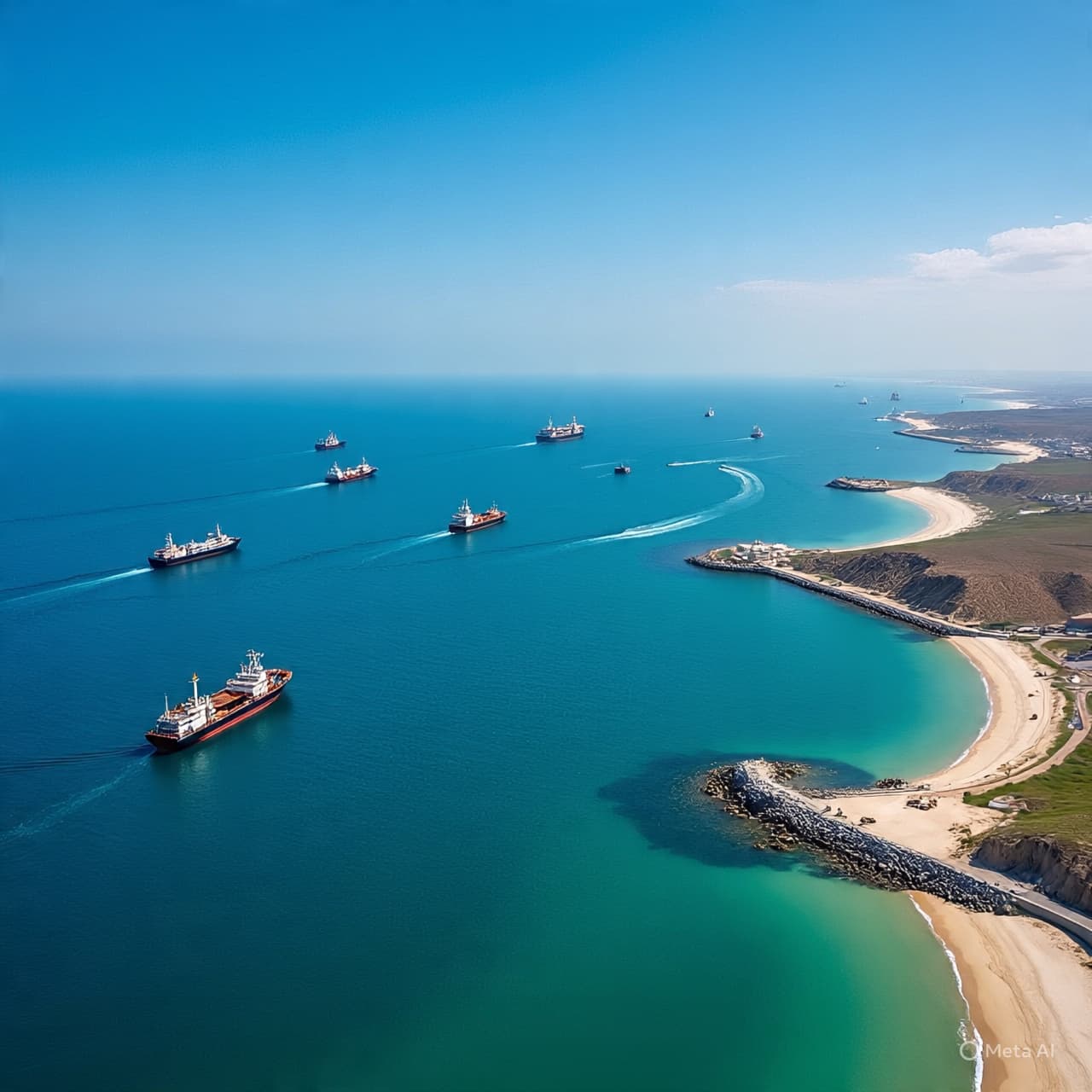
Countries in Asia, where demand for crude oil and liquefied natural gas remains high, are particularly vulnerable to shifts in supply dynamics. As tensions escalate, policymakers are compelled to reassess their energy strategies and contingency plans. The presence of vessels waiting outside the strait, coupled with rising insurance premiums for maritime transport, underscores the economic implications of the current geopolitical climate.
The ongoing diplomatic exchanges between Tehran and its international counterparts carry significant weight. For Iran, the situation is not merely about energy; it is also a matter of national pride and security. Critics argue that Iran's public attribution of blame may serve as a strategic maneuver in a broader regional power play, one that involves various allies and energy consumers who are increasingly concerned about the potential fallout.
Beyond the political discourse, the effects of these tensions are felt far and wide. Communities and economies distanced from the Gulf region are grappling with the consequences of rising energy costs. Households in energy-dependent nations are adjusting to higher prices, while industries face challenges due to increased freight rates and supply chain disruptions. The impact of geopolitical decisions reverberates through everyday life, highlighting the fragility of global systems.
In this context, the Strait of Hormuz emerges as both a geographical landmark and a symbol of the interconnectedness and vulnerability inherent in global energy systems. It serves as a reminder that decisions made in distant capitals can have immediate and profound effects on local economies and communities, emphasizing the need for careful navigation through these turbulent waters.
Published by Banx Network. This article is part of the Banx decentralized media programme, powered by the BXE token on the XRP Ledger.



