Before dawn, the Mediterranean often looks calm enough to trust. Its surface can appear smooth, almost patient, as if willing to carry whatever is placed upon it. That illusion has drawn countless people outward from the North African coast, believing that a narrow vessel and a long night might be enough to reach another life. This week, that belief dissolved once again into the water.
A small migrant boat departed from western Libya under cover of darkness, carrying dozens of people bound together by urgency rather than certainty. Hours into the journey, the vessel capsized in the central Mediterranean, one of the world’s deadliest migration corridors. When the sea settled, 53 people were confirmed dead or missing — a number that includes infants, and a future that will never arrive.
Only two survivors were pulled from the water: women from Nigeria who had lost everything else. One lost her husband. The other lost her children. Their survival did not feel like rescue so much as aftermath — the kind that arrives too late to undo what has already happened.
The boat itself was not built for distance, nor for the weight it carried. Like many vessels used by smuggling networks operating along Libya’s fractured coastline, it was overcrowded and unseaworthy, pushed into open water by desperation rather than preparation. The journey lasted just hours, but the consequences will echo far longer, carried home in phone calls that never came and names that will be spoken only in mourning.
Such tragedies are no longer rare enough to shock. The central Mediterranean has absorbed thousands of lives over the years, becoming a silent ledger of global failure — of borders hardened faster than pathways to safety, of conflicts and poverty that outpace protection. Each capsizing follows a familiar pattern, yet each loss remains deeply personal, measured in families erased and stories left unfinished.
Rescue efforts often begin after the most decisive moments have already passed. By the time alarms are raised, the sea has usually made its choice. What remains are survivors marked by absence, and statistics that struggle to convey the human scale of what has been taken.
As daylight returned to the water, there were no headlines written on the waves, no markers to indicate where the boat overturned. The Mediterranean kept no names, no faces — only another crossing absorbed into its vastness. And somewhere along the shore, people continue to wait, still believing the sea might be merciful next time.
AI Image Disclaimer
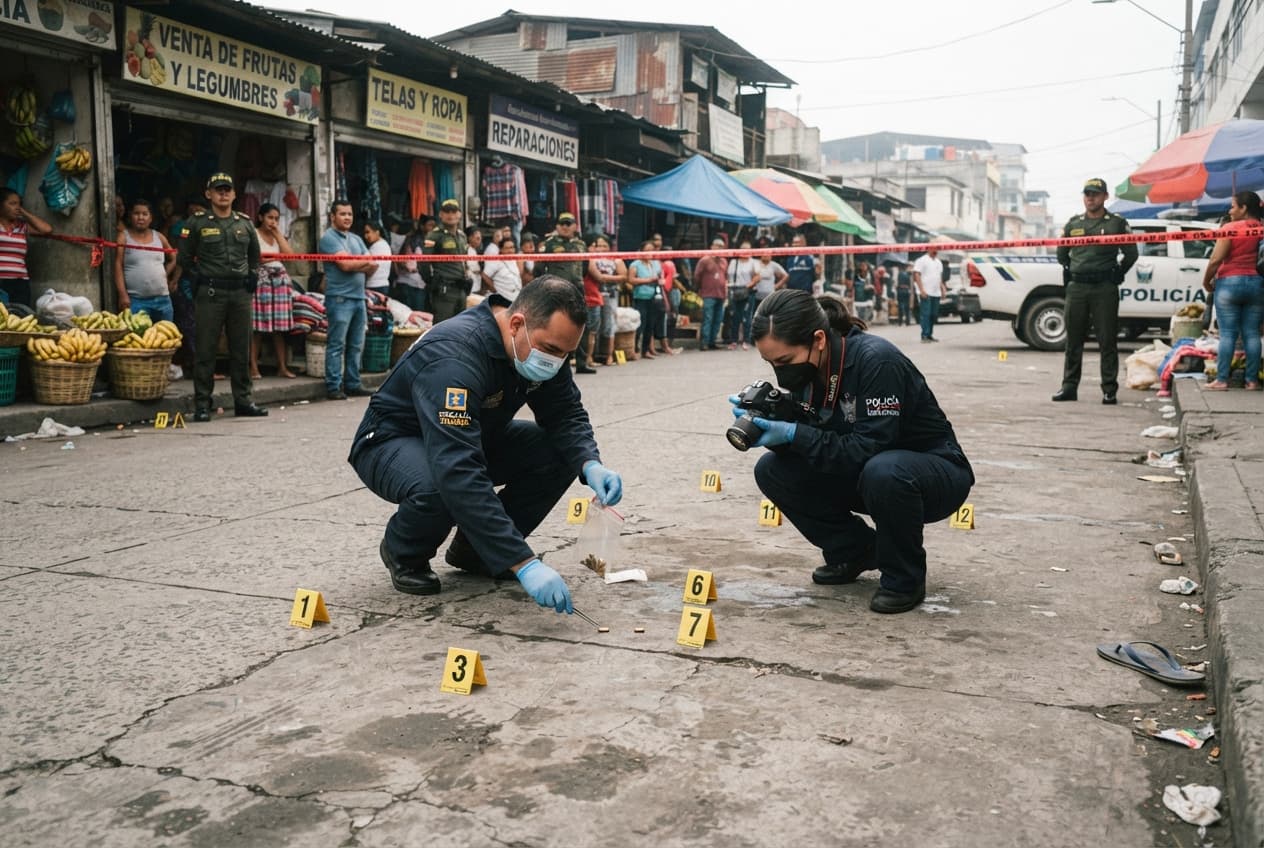
Visuals are AI-generated and serve as conceptual representations.
Sources
Associated Press Reuters International Organization for Migration United Nations BBC News
Published by Banx Network. This article is part of the Banx decentralized media programme, powered by the BXE token on the XRP Ledger.