There’s a quiet poetry to how the tides meet the land — an unspoken dialogue between sea and shore that has shaped coastlines for millennia, like an age-old conversation carried by salt-tinged breezes. In Bengkalis, a part of Indonesia’s Riau province, the mangroves stand like ancient sentinels, their roots weaving an intricate tapestry of life and livelihood along the water’s edge. These living forests are more than scenery; they are mirrors of the delicate balance between people and nature, whispering stories of resilience and hope.
Along the winding shores of Bengkalis Island, the rhythmic hush of water dancing through mangrove roots is a reminder of nature’s quiet strength — a strength that people are increasingly seeing not just as scenic but as essential. Here, the mangroves are more than habitat; they are part of a nature-based solution, a living safeguard against coastal erosion, storm surges, and the creeping rhythm of rising seas. The forests also cradle diverse life — crabs, fish, birds, and the ebb and flow of tides that sustain fishing communities and enrich local culture.
In recent years, attention has turned toward uplifting this ancient ecosystem not just for its beauty, but for the climate challenges facing coastlines near and far. Across Riau — one of Indonesia’s key mangrove regions — rehabilitation and conservation efforts reflect a broader understanding: that nature’s own designs can offer valuable answers to modern problems. Mangroves sequester carbon, protect soils, and provide shelter for species whose rhythms are intertwined with human destiny. While the expanse of mangrove forests in Bengkalis measures in the tens of thousands of hectares, pressures from land conversion and resource use remind us that even resilient forests require care and partnership with communities.
To walk beside these mangrove fringes is to witness how worlds meet — the steady whisper of wind through leaves, the slow curl of a tide advancing and retreating, the casual footsteps of fishermen threading between roots at dawn. In such places, nature’s quiet solutions resonate with potential, offering lessons in adaptation that both honor tradition and look to a changing climate.
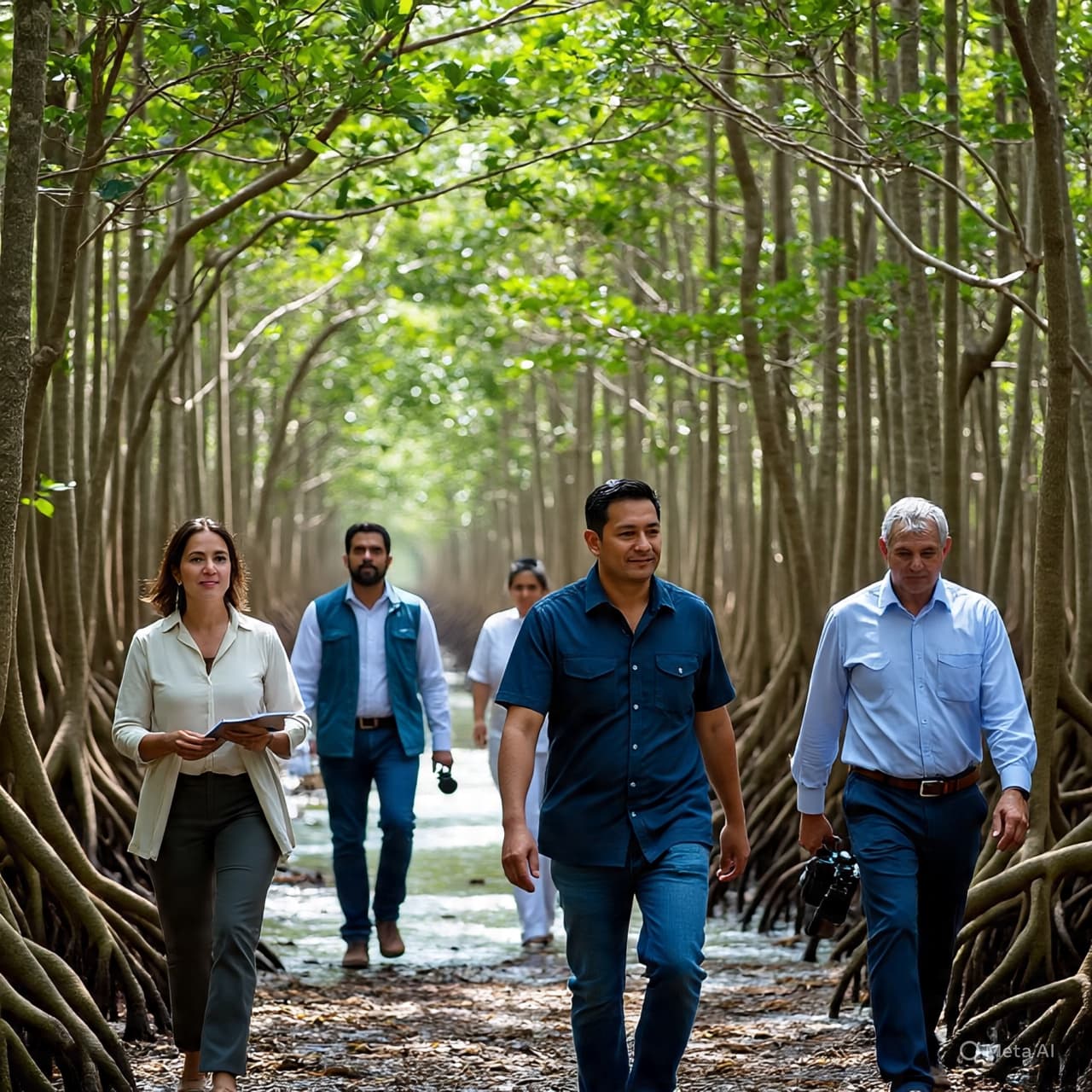
In recent developments, representatives from the ASEAN-UK Green Transition Fund visited Bengkalis Island’s mangrove areas to examine their role as nature-based solutions for ecological resilience and coastal protection. The visit highlighted the importance of conserving these ecosystems amid global and local efforts to strengthen climate adaptation strategies.
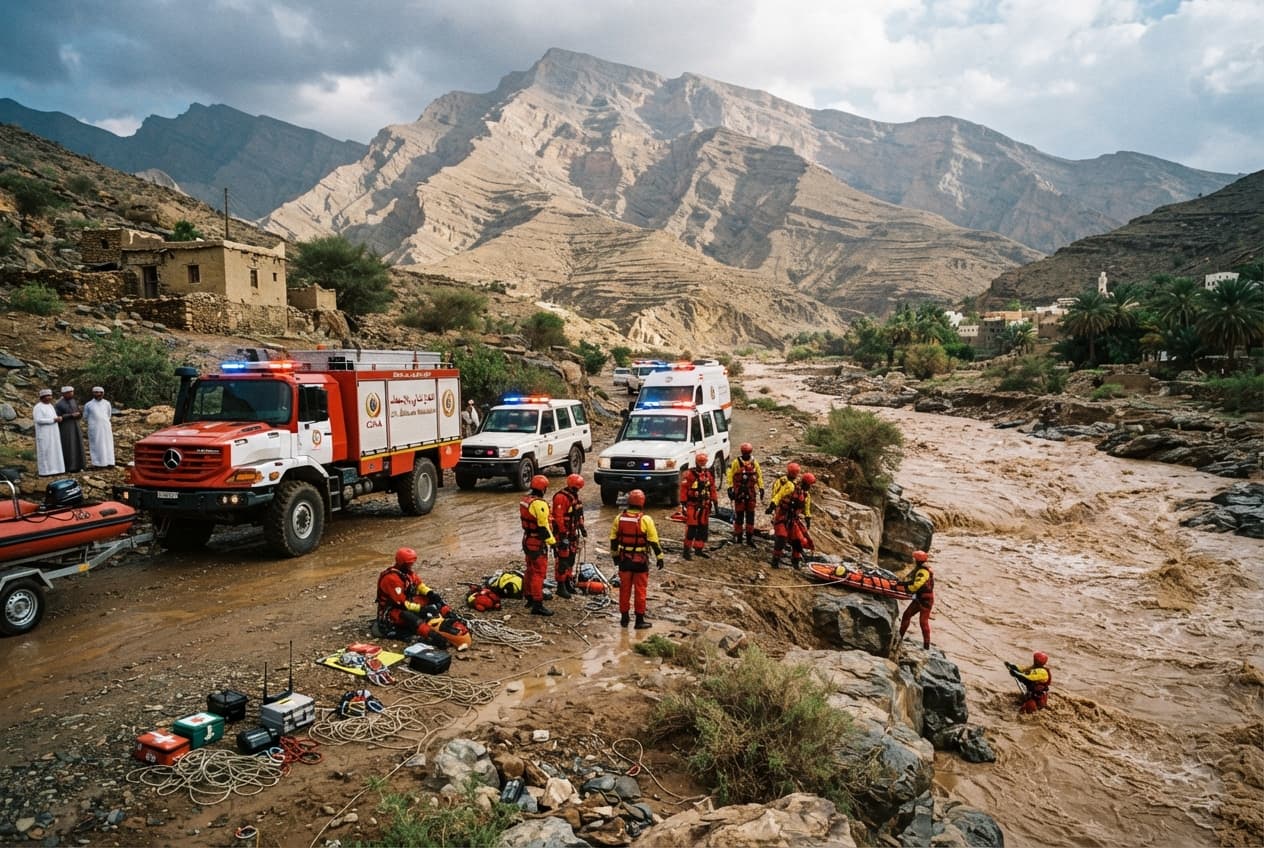
AI Image Disclaimer
Images in this article are AI-generated illustrations, meant for concept only.
📌 Sources
• TEMPO news
• Additional local ecosystem context from Riau mangrove data
Published by Banx Network. This article is part of the Banx decentralized media programme, powered by the BXE token on the XRP Ledger.