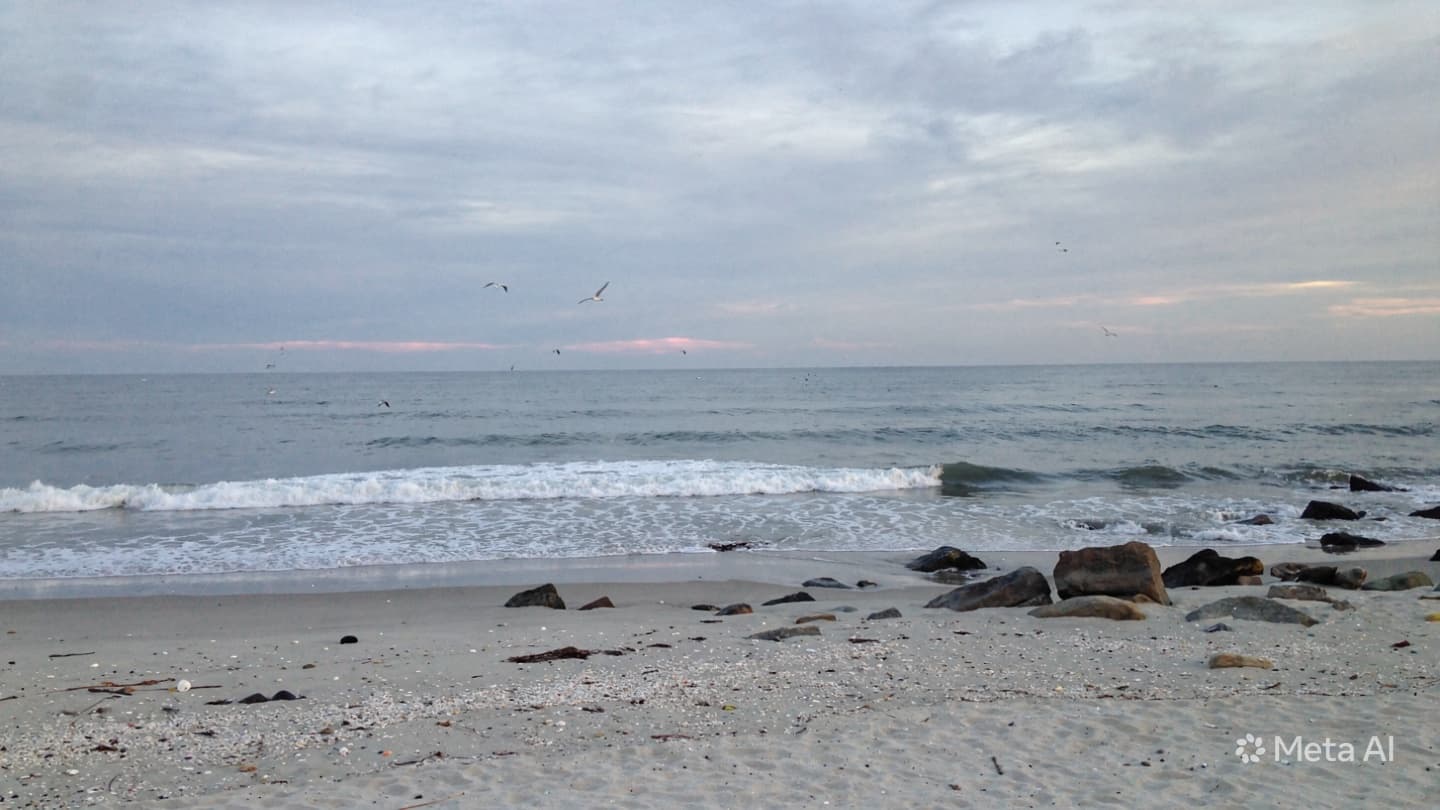
The ocean possesses a language of its own, a shifting cadence of waves that often disguises the latent power of the tide. Along the coastal fringes, where the land yields to the vast, undulating expanse of the water, there is a sense of tranquil beauty that belies the suddenness with which a life can be claimed by the deep. When a search and rescue operation concludes with the recovery of a body, the atmosphere along the shore is transformed into a space of profound, collective mourning.
A drowning is an intrusion of the chaotic forces of the sea into the human experience of the coast. The transition from the expectation of leisure or movement to the stillness of loss happens with a haunting swiftness, leaving little room for the stories that might have unfolded in the moments before the water took hold. It is a moment where the indifferent nature of the tide meets the urgent, human scale of grief.
The rescue operation itself is a dialogue with the environment, a hunt for answers in a vast, restless space that guards its secrets closely. Teams of responders navigate the shoreline and the currents with a deliberate, solemn purpose, their vessels carving patterns into the dark water. Every movement is calculated, dictated by the relentless push and pull of the ocean, a testament to the commitment of those who serve at the intersection of land and sea.
For those standing on the sand, waiting in the shadow of the dunes, the discovery of the lost is a moment of heavy, final closure. The sea does not pause for reflection, yet the community finds itself lingering on the shoreline, watching the horizon with a newfound awareness of the power that lies beneath the surface. It is a reminder that despite our modern understanding, the boundary between safety and peril remains thin.
The investigation into the circumstances of the incident will follow, examining the conditions of the currents and the timeline of the disappearance. Such reports will be analytical, filled with the dry parlance that attempts to categorize the reality of a tragedy at sea. Yet, no report can fully capture the texture of the day or the suddenness of the vanishing that took place in the surf.
Ultimately, the sea will reclaim its equilibrium, the waves smoothing over the point of disturbance as if nothing had occurred. The life that was lost becomes a part of the memory of the coast, etched into the collective consciousness of those who live by the tide. It is a melancholy fraternity, forged in the salt air and the shared reliance on the water that sustains and surrounds them.
As the search operations wind down, the focus shifts toward the families left behind, waiting for closure in the shadow of the coastal dunes. The atmosphere is one of heavy resignation, where the magnitude of the event is measured in the hollow spaces left behind. Life here is defined by the cycles of the ocean, and the current absence is felt in every ripple and drift of the sand.
Today, the shore feels different—the rhythm of the waves seems to carry the weight of what has been recovered. It is a reminder that we are all temporary visitors to the water’s edge, inhabiting a landscape that is both beautiful and inherently beyond our full control. The community holds the memory of the day close, marked by the quiet, reflective sorrow that follows when the tide returns what it has taken.
Local search and rescue teams confirmed the recovery of a drowning victim at a coastal location on May 31, 2026, following an intensive search operation. Authorities have officially concluded the search and are now working to provide support to the family of the deceased.
Published by Banx Network. This article is part of the Banx decentralized media programme, powered by the BXE token on the XRP Ledger.