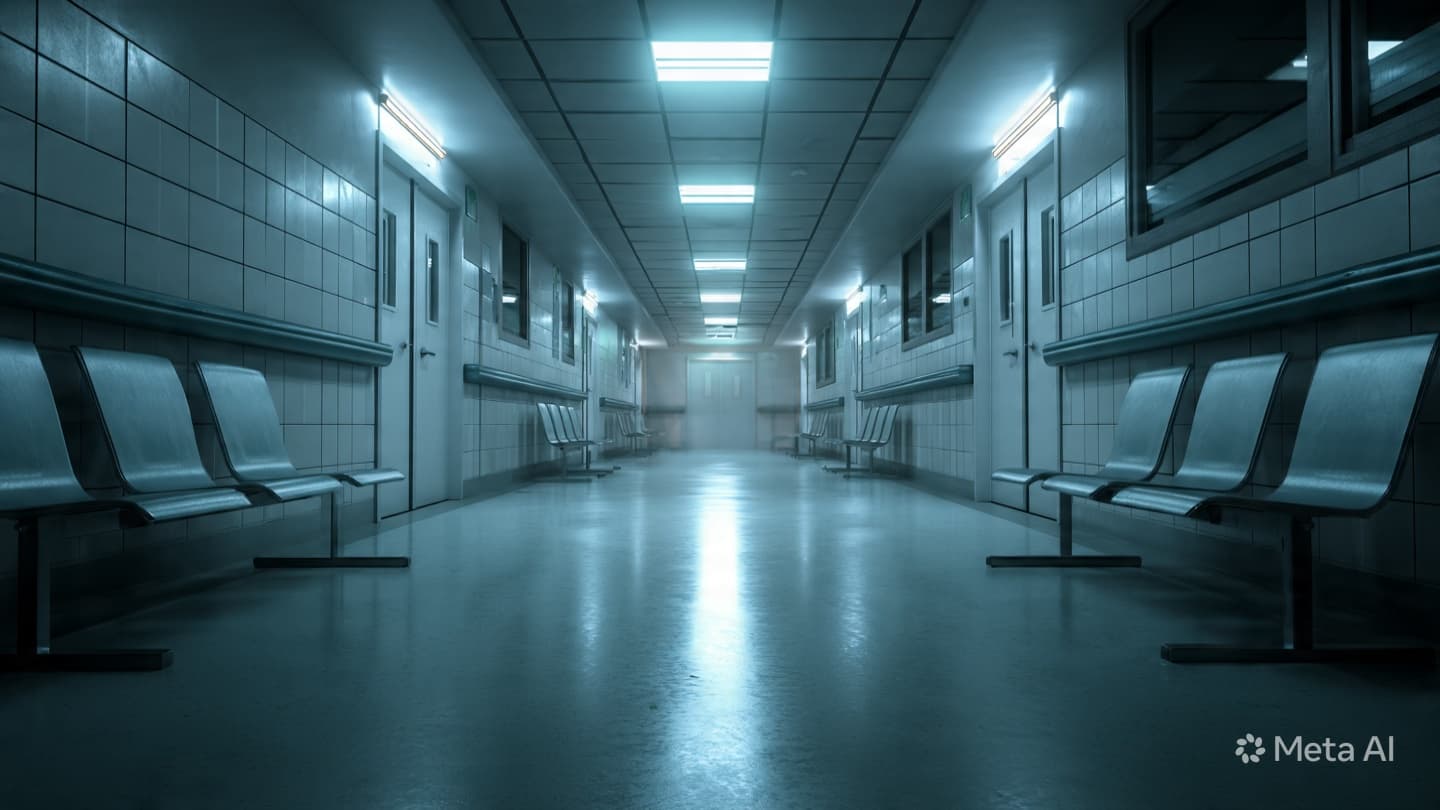
The city breathes in shallow, uneven gasps, the air thick with the scent of sun-baked stone and the faint, metallic tang of an approaching storm that never arrives. In the heart of the capital, the hospitals stand as modern-day fortresses, their corridors offering a thin, conditioned buffer against the inferno outside. Yet, even within these sterile environments, the intrusion of the heat is constant. The hum of cooling fans and the steady beep of monitors create a rhythmic, mechanical soundtrack to a struggle that is both intimate and overwhelming.
There is a quiet intensity to the work performed here, a sense of duty that transcends the boundaries of the ordinary. The medical staff, their faces etched with the fatigue of successive, grueling shifts, move with a somber precision. They are the frontline observers of a silent crisis, watching as the threshold of human endurance is tested by the relentless climb of the temperature. It is a slow, methodical unfolding of events, where the urgency of the moment is tempered by the gravity of what is at stake.
In these spaces, the abstract concept of a record-breaking summer translates into the tangible reality of increased patient intake and the sudden, sharp silence that follows a critical incident. The air inside the wards feels heavy, not just with the heat, but with the collective concern for those who are most vulnerable—the elderly, the frail, and those whose lives are tethered to the steady regulation of their environment. Every bed is a testament to the fragility of our existence when the world outside turns hostile.
The corridors, usually bustling with the movement of life, have taken on a different quality. There is a sense of heightened observation, an awareness that the normal routines have been upended by the extraordinary. Family members wait in the shadows of the lobbies, their expressions a mix of hope and apprehension, as they await word from the physicians. The connection between the outdoor world, with its broken records and wilting gardens, and the indoor world, with its regulated air and hushed voices, has become inextricably linked.
This is a time for reflection on the limits of our preparedness. While we often speak of our advancements, the reality of this heat wave reminds us of our fundamental vulnerability to the forces of nature. The hospitals are struggling not because of a lack of skill or dedication, but because the scale of the challenge has surpassed the traditional boundaries of summer demand. It is a structural pressure that reveals the fragility of our systems in the face of an evolving climate.
In the quiet hours before dawn, when the temperature finally begins a marginal descent, there is a momentary lull. Yet, it is only a pause, a brief respite before the sun rises once more to begin its cycle of intensity. For those who work within the healthcare system, there is no true rest, only a shifting of the burden. The commitment to care remains the guiding principle, even as the walls of the hospitals seem to press in under the weight of the heat.
What we are witnessing is a metamorphosis of the ordinary, where a simple summer season has become a season of profound testing. The stories that emerge from these hospital wards are not sensationalized reports of chaos, but rather human-centric accounts of perseverance and loss. They speak to the quiet, dignified struggle of a society trying to maintain its equilibrium in a world that feels increasingly out of balance.
As we look toward the horizon, the uncertainty of the weather remains the defining feature of our lives. The hospitals will continue to serve as the silent sentinels of this period, guarding the boundary between life and the extreme environment that threatens it. It is a somber duty, one performed with a level of restraint and focus that serves as a mirror to our own collective need for clarity and understanding.
Official figures from the French government and regional health authorities indicate a sharp rise in emergency hospital admissions linked directly to the ongoing record-breaking heatwave. As of June 26, 2026, the French health ministry has noted a substantial increase in mortality rates within urban hospital centers, specifically among the elderly and those with pre-existing conditions. Emergency protocols, including the ORSAN health emergency plan, have been activated to manage the overflow of patients and to coordinate intensive care efforts across the most severely affected regions.
Published by Banx Network. This article is part of the Banx decentralized media programme, powered by the BXE token on the XRP Ledger.