
Key Highlights
- U.S. forces disabled two Iranian-flagged tankers on May 8, 2026.
- Tensions in the Strait of Hormuz threaten global trade routes.
- Ongoing diplomatic negotiations aim to resolve the West Asia conflict.
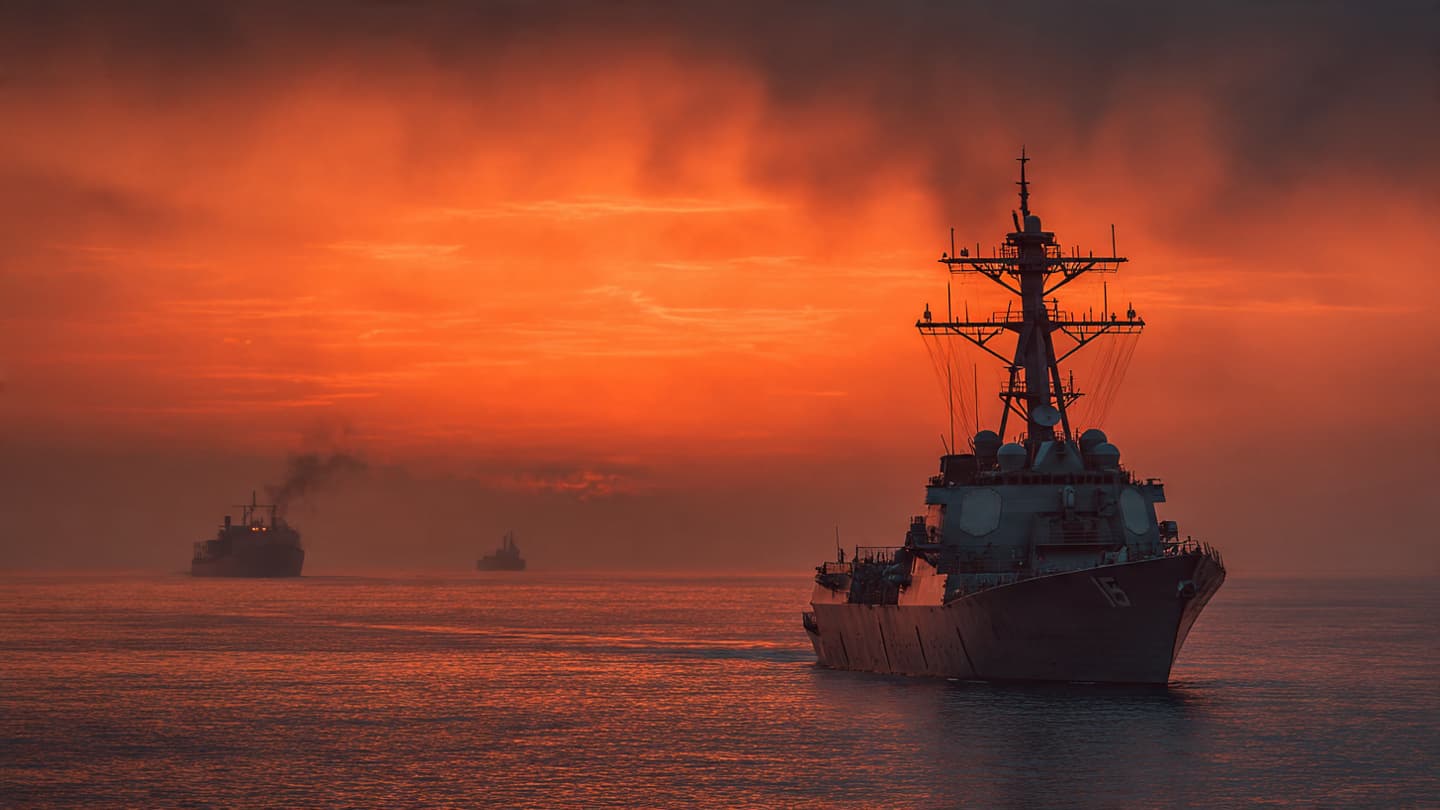
The Strait of Hormuz, a crucial maritime passage for global oil shipments, has become a focal point of escalating tensions following the disabling of two Iranian-flagged tankers by U.S. forces on May 8, 2026. This incident has not only heightened military tensions but also raised significant concerns about the implications for international trade and regional stability. The U.S. action, described by Iranian officials as a violation of a fragile truce, underscores the precarious balance of power in the region.
In the wake of these developments, the concept of a 'Liquid Blockade' emerges, highlighting how a single waterway can influence global energy dynamics. The Strait of Hormuz is not just a physical passage; it symbolizes the intersection of geopolitical ambitions and economic necessities. The current standoff reflects the complexities of maritime law and the fundamental rights of passage that nations must navigate amidst rising tensions.
Diplomatic efforts are now at the forefront, with U.S. Secretary of State Marco Rubio and Iranian officials engaged in high-stakes negotiations aimed at de-escalating the situation. The U.S. Proposal, which seeks to address the ongoing conflict in West Asia, is under review by Tehran. This proposal represents a critical opportunity for both sides to move beyond military confrontation and towards a more stable diplomatic resolution.
The atmosphere in Tehran and Washington is one of cautious optimism, as both parties recognize the potential for a diplomatic breakthrough. The ongoing airstrikes in southern Lebanon, despite calls for a ceasefire, serve as a stark reminder of the challenges that lie ahead. The proposed 'Drone Deal' in the region aims to foster a new security paradigm based on cooperation rather than conflict, reflecting a shift towards a more integrated Middle East.
As the situation evolves, the need for strategic maturity becomes evident. The balance between enforcing blockades and pursuing diplomatic solutions is crucial for long-term stability. The 'Shadow of the Strait' illustrates that the most effective tools in international relations are often those that prioritize dialogue over aggression.
Despite the current volatility, there is a narrative of hope emerging from the crisis. The fact that both sides remain engaged in discussions indicates a maturation of their approach to conflict resolution. Each moment that the proposal remains under consideration is a step towards a potential settlement, emphasizing the importance of addressing the needs of the populations affected by these geopolitical tensions.
Looking ahead, the goal is to transform the Strait of Hormuz from a battleground into a conduit for trade and cooperation. The diplomatic efforts of May 2026 represent a significant step towards achieving this vision, fostering a global identity that prioritizes peace and collaboration over conflict. As the world watches, the hope is that reason and pragmatism will prevail, paving the way for a more stable and prosperous future in the region.
Published by Banx Network. This article is part of the Banx decentralized media programme, powered by the BXE token on the XRP Ledger.



