
Key Highlights
- Election Outcome:The center-left candidate won Portugal’s presidential runoff by a significant margin.
- Voter Turnout:Approximately two-thirds of voters supported the center-left, indicating strong backing for moderate leadership.
- Political Landscape:The election results reflect a growing presence of right-wing populism in Portuguese politics.
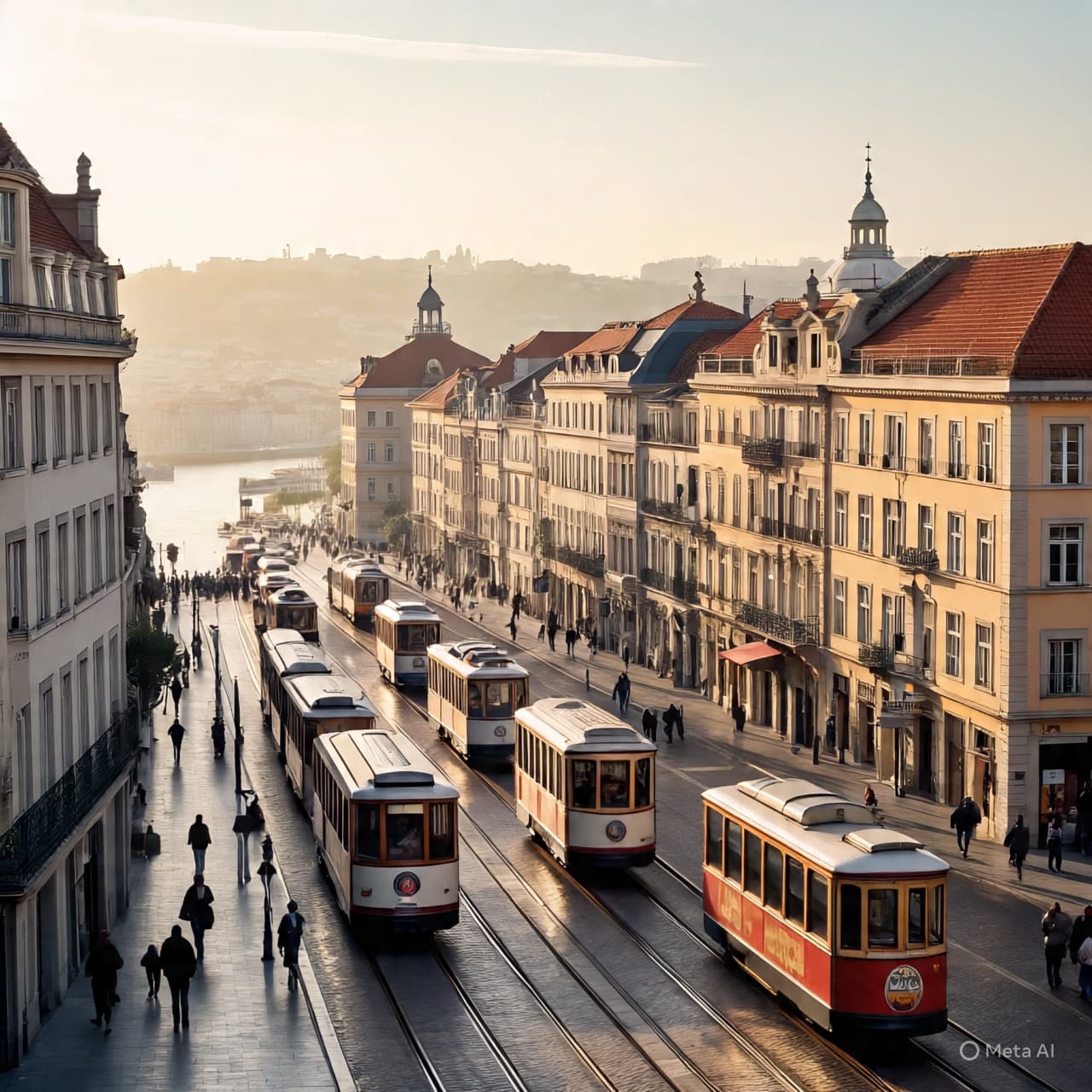
Portugal's recent presidential runoff unfolded against the backdrop of a serene morning in Lisbon, where the Tagus River mirrored the soft hues of dawn. This tranquil setting belied the intense political contest that had captivated the nation in the weeks leading up to the election. On the day following the runoff, the city buzzed with conversations about the results, as the echoes of the previous night lingered in the air.
The campaign had been marked by stark contrasts. The center-left candidate, a familiar figure in Portuguese politics, represented continuity and stability, while his hard-right opponent brought a message of change, appealing to a segment of the electorate disillusioned with traditional politics. This election was not merely a contest of personalities but a reflection of deeper societal currents, including shifting political allegiances and evolving national identity.
When the votes were tallied, the outcome was clear. The center-left candidate secured approximately two-thirds of the vote, a result that exceeded many expectations and signaled a reaffirmation of moderate governance in Portugal. Supporters celebrated with a sense of measured relief, recognizing that such victories come with responsibilities to address the diverse needs of the populace.
However, the election also highlighted the resilience of the hard-right challenger, who garnered a significant share of the vote despite his defeat. This outcome suggests that while the center-left has a mandate, the presence of right-wing populism remains a potent force in Portuguese politics. The election results indicate not just a rejection of one candidate but also an acknowledgment of the ongoing dialogue between contrasting political ideologies.
The presidency in Portugal, while limited in executive power, plays a crucial symbolic role. The president-elect's remarks following the election emphasized the importance of cooperation and moderation, reflecting an understanding that unity often requires compromise rather than outright victory. This sentiment resonates deeply in a nation navigating the complexities of modern governance.
As daily life resumed in Portugal, the streets absorbed the election's outcome with a quiet acceptance. Markets reopened, and conversations shifted back to everyday concerns, while the Tagus River continued its steady flow toward the Atlantic. The election had set a course for the future, chosen not through upheaval but through a deliberate and measured decision by the electorate.
In summary, the center-left candidate's decisive victory in Portugal's presidential runoff underscores a commitment to moderate leadership, even as the political landscape remains influenced by the rise of right-wing populism. The results reflect a nation grappling with its identity and the challenges of governance in a rapidly changing world.
Published by Banx Network. This article is part of the Banx decentralized media programme, powered by the BXE token on the XRP Ledger.



