
Key Highlights
- Saltwater intrusion has reached record levels in the Mekong Delta, affecting over 50,000 hectares of farmland.
- Local authorities have declared a state of emergency in several provinces due to the drought.
- Current forecasts indicate that drought conditions may persist for another month before the rainy season arrives.
The Mekong Delta, a region historically defined by its lush landscapes and abundant freshwater, is now grappling with an environmental crisis that threatens its agricultural backbone. Once a vibrant ecosystem, the delta is increasingly succumbing to saltwater intrusion, a phenomenon exacerbated by climate change and human activity. This shift is not just a change in the water's salinity; it represents a profound transformation in the very fabric of life for millions who depend on the river's bounty.
As the river's flow diminishes, saltwater from the sea is creeping upstream, altering the delicate balance that has sustained the delta for generations. Farmers, who have cultivated rice and fruit in this fertile region for centuries, are now witnessing their crops wither under the relentless advance of salt. The once-fresh water that nourished their fields now carries a bitter taste, signaling a dire threat to their livelihoods.
The Ministry of Agriculture and Rural Development has reported alarming statistics: over 50,000 hectares of farmland have been affected by this saltwater intrusion. Local authorities are responding with urgency, declaring states of emergency in several provinces and mobilizing resources to provide fresh water to households in distress. The situation is dire, with forecasts suggesting that the drought may continue for another month, leaving farmers in a precarious position as they await the arrival of the rainy season.
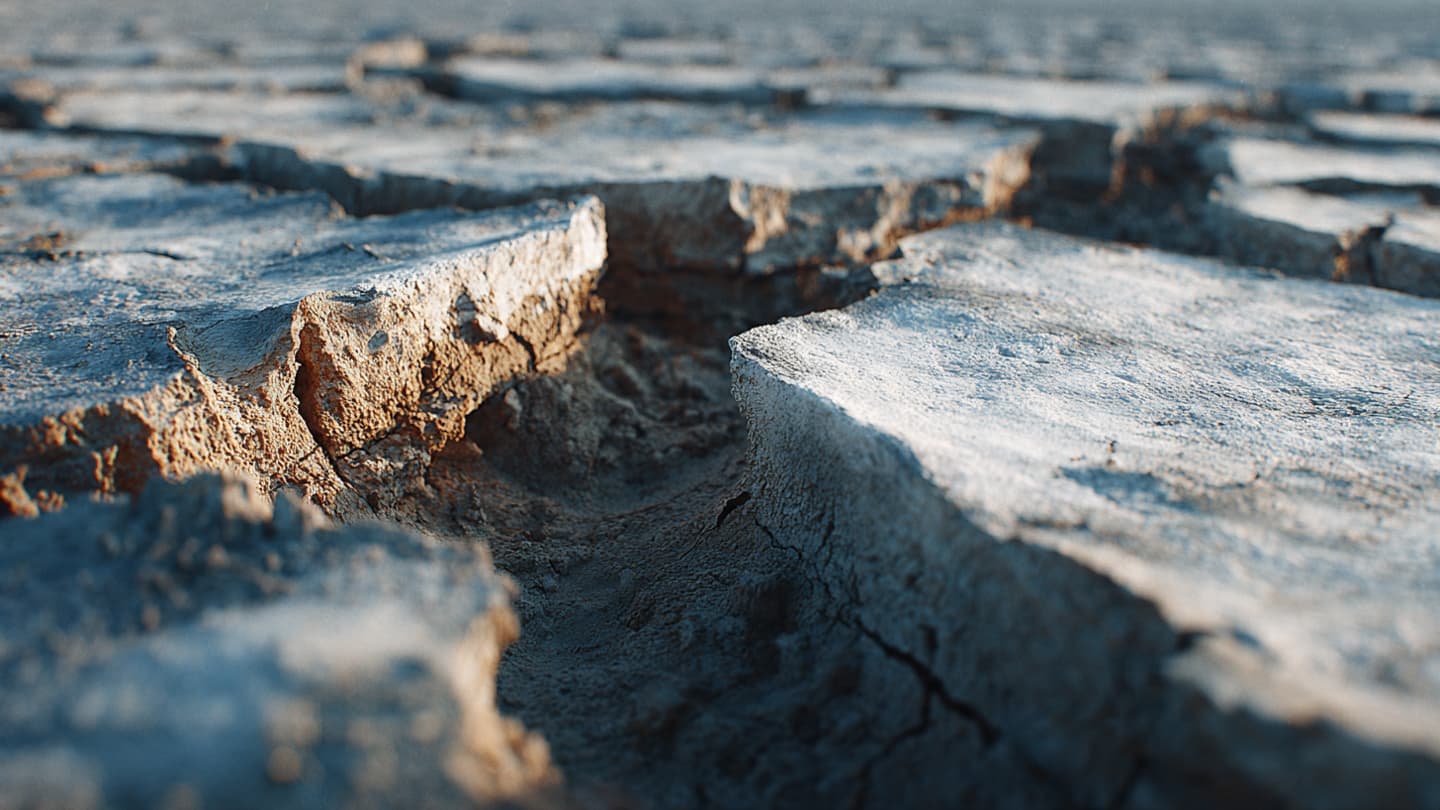
In the heart of the delta, the landscape tells a story of resilience and adaptation. Farmers are forced to confront a new reality where traditional practices may no longer suffice. The techniques passed down through generations, honed for a world of predictable floods and reliable water flows, are now being challenged by the unpredictable nature of climate change. The salt that coats the edges of irrigation canals serves as a stark reminder of the shifting tides, both literally and metaphorically.
The emotional toll on these communities is palpable. As they watch their fields turn from vibrant green to a parched brown, there is a sense of loss that transcends mere crops. The Mekong Delta is not just a geographical location; it is a cultural and historical identity for its inhabitants. The struggle to maintain the freshness of the water is intertwined with the struggle to preserve their way of life.
As the sun sets over the parched paddies, the beauty of the landscape is tinged with melancholy. The canals, reflecting the sky's hues, hide the salt that renders the water undrinkable. This moment captures the tension between the ancient power of the river and the encroaching sea, a narrative of adaptation in the face of an elemental shift. Every drop of fresh water becomes a hard-won victory against the advancing salt, a testament to the resilience of those who call the Mekong Delta home.
In conclusion, the Mekong Delta stands at a crossroads, facing unprecedented challenges that threaten its agricultural heritage. The response from local authorities and the resilience of its farmers will be crucial in navigating this crisis. As the region awaits the rains, the hope remains that the sweet waters of the Mekong will once again flow freely, restoring balance to this vital ecosystem.
Published by Banx Network. This article is part of the Banx decentralized media programme, powered by the BXE token on the XRP Ledger.



