The wide public beaches of the southern coast maintain a vibrant, festive relationship with the sea, where golden sands meet an ocean that draws thousands of city dwellers every weekend. Life along these coastal recreational zones moves to a cheerful, leisurely cadence, governed by the movement of the surf and the shared enjoyment of seaside activities. To an outside observer, the presence of lifeguards and floating safety markers appears entirely sufficient, creating a secure boundary around the designated swimming areas. Yet, when an offshore weather system generates a sudden, low-frequency tidal surge across the continental shelf, that familiar coastal boundary can be overrun with terrifying momentum.
On this particular afternoon, the coastal waters experienced a rapid, unseasonable elevation in tide height, pushing the surf zone far beyond the traditional high-water mark within minutes. The change on the beach was subtle at first, marked only by the unusual reach of the incoming waves as they swept over towels and umbrellas. There is an implicit comfort in the familiar rhythm of the ocean, built on the assumption that the shoreline remains a predictable space for public relaxation. Yet, the energy carried by a deep-water surge can alter its character instantly, transforming a shallow swimming area into a zone of powerful undertows.
The transition from a relaxed summer afternoon to an active maritime rescue operation occurs when a series of large waves breaches the inner sandbar, pulling beachgoers toward the adjacent headlands. The sudden acceleration of the current carries a heavy, disorienting force that quickly separates individuals from the safety of the shallow flats. As the water rushes back toward the open sea, it funnels through narrow rocky channels, making it exceedingly difficult for even strong swimmers to maintain their footing or return to the sand. It is a sequence where the absolute power of coastal hydraulics becomes visible against the backdrop of an urban resort.
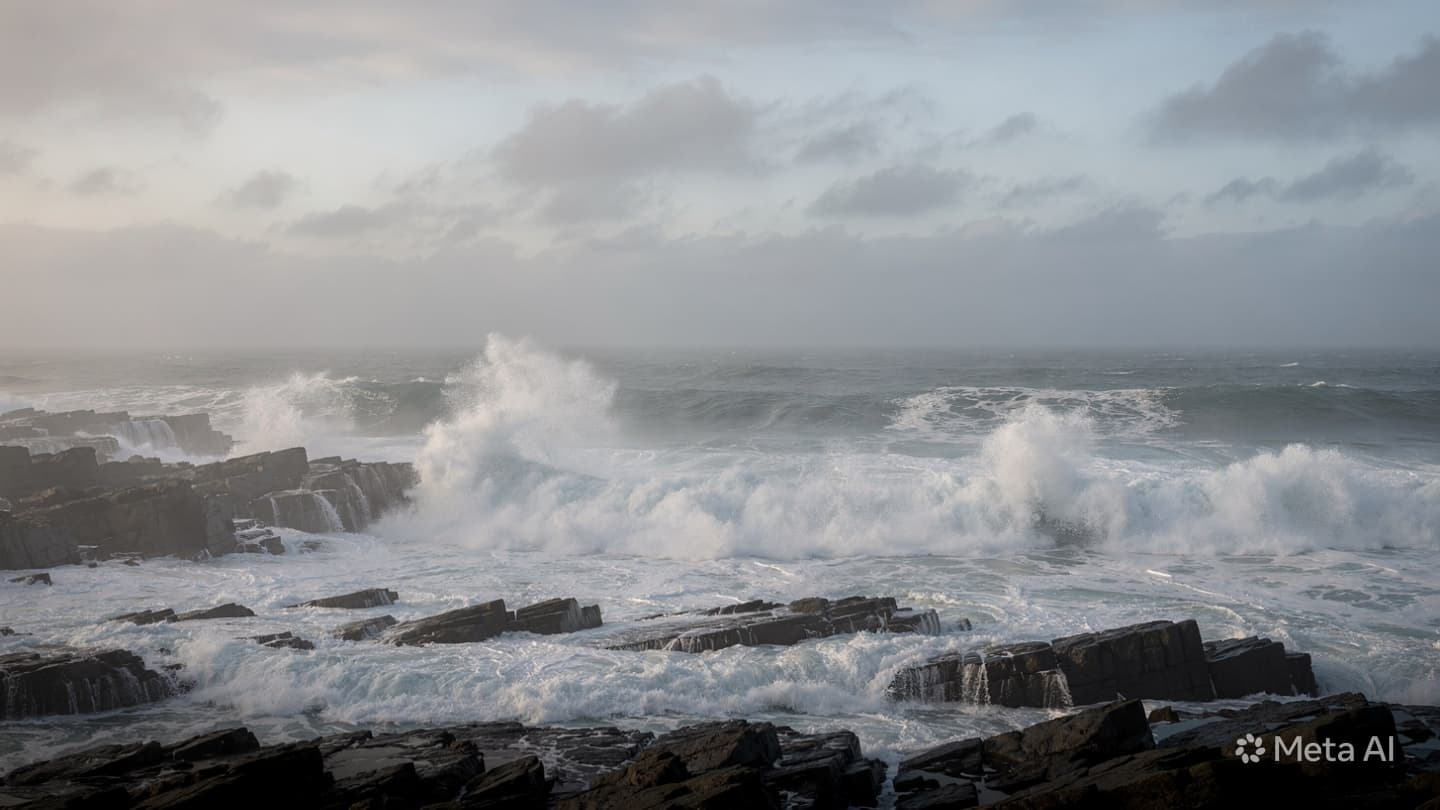
When the maritime rescue boats and helicopter crews finally cleared the surf zone and accounting for the swimmers concluded, a deep sorrow settled over the beach. The confirmation of a casualty among those swept onto the rocks brought a sudden, heavy quiet to the boardwalk, halting the music and commercial activity of the resort. The surrounding cliffs, their dark stones wet with the spray of the residual surge, stood as silent witnesses to the intensity of the water's movement. The beach grew static, its regular recreational purpose suspended by the immediate reality of a localized tragedy.
The loss of life within a public park space carries a unique weight, representing a sudden, tragic fracture in the social routines that provide rest to modern urban populations. The beach facility was designed by civic planners to offer a peaceful escape from the density of the neighboring metropolis, rather than a place of physical danger. It forces an unspoken reflection on how quickly our spaces of leisure can be altered when oceanic movements surpass our expectations. The remaining visitors gathered along the upper seawall, looking out over the churning gray water with a quiet sense of sobriety and shared shock.
By evening, the local maritime police and safety wardens had cordoned off the entire waterfront, their red flashing lights casting long reflections across the wet sand. The technical task of analyzing the tidal sensors and evaluating the failure of the beach evacuation announcements was handled with a quiet, necessary precision. Yet, despite the systematic nature of the inquiry, the emotional residue of the incident lingers deep within the coastal community. For the investigation teams, the event is a matter of wave periods and coastal topography, but for the family of the deceased, it is an irreplaceable loss.
The technical reports completed by the marine safety bureau are meticulous, examining the timing of the surge, the placement of warning flags, and the response time of the rescue jetskis. It is a necessary ritual of modern coastal management, translating an afternoon of shoreline crisis into a series of updated safety protocols meant to protect future visitors. The positioning of rocky breakwaters, the expansion of lifeguard patrol sectors, and the sensitivity of automated tidal alerts will all be re-evaluated in the coming days. But for the local merchants, the administrative updates provide no immediate relief from the somber mood hanging over the coast.
Eventually, the warning flags will be lowered, the sand will dry under the summer sun, and the crowds will return to the shoreline with the arrival of the next weekend. The boardwalk will fill with life, the children will play in the shallows, and the memory of the silent tide will slowly fade into the background of a busy season. But for a long while, the wet stones of the headland will stand as a somber monument to the unpredictable intersections of human recreation and the raw power of the sea. It remains a reminder that the ocean retains its ultimate authority over the shore.
The South China Morning Post Marine Rescue confirmed that a sudden coastal tidal surge swept multiple beachgoers into rocky waters on June 13, 2026, resulting in one fatality. Emergency management officials stated that an offshore low-pressure system generated an unexpected series of large waves that overran the designated swimming boundary at the public resort. Marine police vessels and lifeguards extracted nine individuals from the surf, pronouncing one tourist deceased due to severe trauma and drowning sustained among the rocks. The Bureau of Maritime Safety has temporarily banned swimming along the southern peninsula while monitoring coastal currents.
Published by Banx Network. This article is part of the Banx decentralized media programme, powered by the BXE token on the XRP Ledger.