
Key Highlights
- Recent armed incursions have targeted the Garifuna community in Honduras.
- The local population is facing increasing pressure from external actors seeking to exploit their land.
- Historical patterns of neglect complicate the enforcement of indigenous land rights.
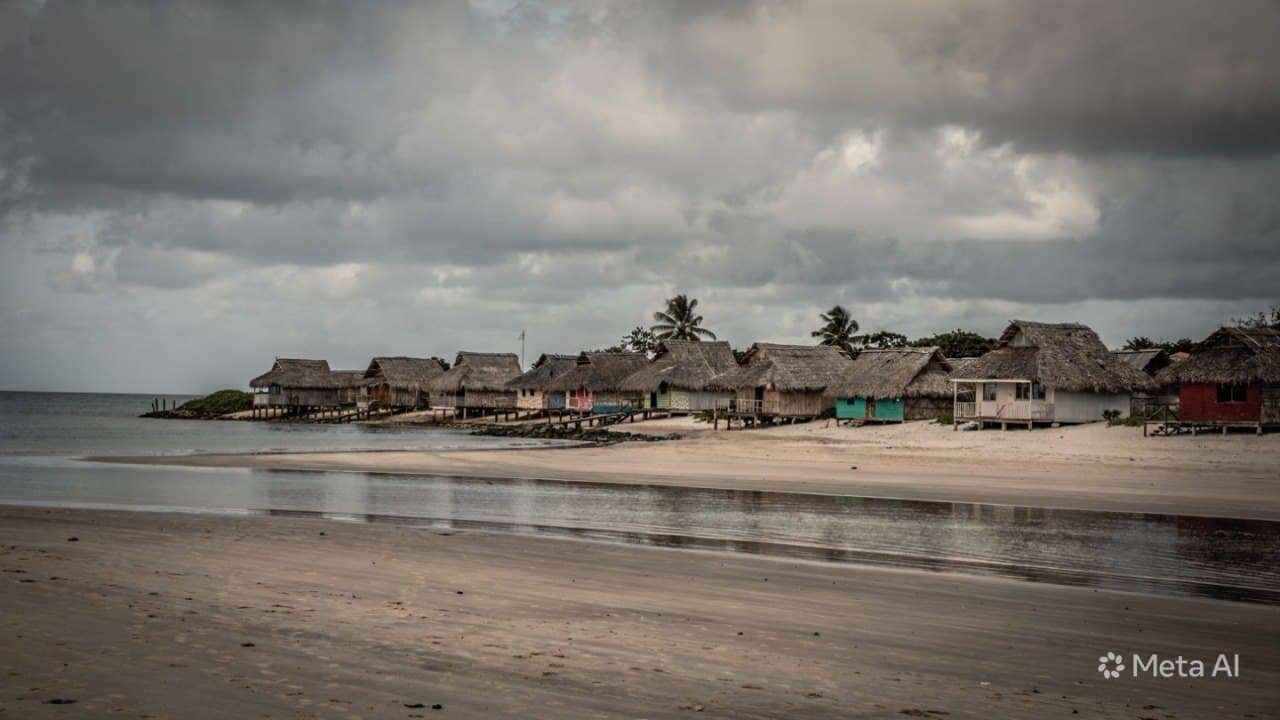
The northern coastline of Honduras is a vibrant tapestry where the Caribbean Sea meets the shore, a place that has long been home to the Garifuna people. This region, characterized by its rhythmic waves and lush coconut palms, embodies a cultural heritage deeply intertwined with the land. For generations, the Garifuna have relied on their ancestral connection to these coastal territories, viewing their collective titles as a safeguard against external encroachment. However, recent events have revealed a troubling shift in this dynamic, as the tranquility of their homeland is increasingly threatened by outside interests.
In recent days, the Garifuna community experienced a significant disruption when armed individuals entered their territory, igniting fears of a broader assault on their sovereignty. This incident was not an isolated trespass; it was a calculated move that challenged the very essence of their land rights. The community, known for its resilience, now finds itself grappling with the immediate implications of this violation, as the once-peaceful coastal environment has transformed into a site of tension and uncertainty.
The motivations behind these territorial violations are complex and multifaceted. Local land rights often clash with the ambitions of external actors, whether they are driven by agricultural expansion, real estate speculation, or illicit activities. The geographic isolation of the Garifuna communities from central governance makes them particularly vulnerable to such incursions. The recent armed intrusion serves as a stark reminder that legal titles, while important, offer little protection against the realities of physical force and intimidation.
In response to these threats, community elders have convened in their meeting halls, where discussions are steeped in the melodic tones of the Garifuna language. The atmosphere is heavy with concern as they strategize on how to protect their land and cultural identity. The urgency of organizing community watches and seeking legal intervention underscores the gravity of their situation. The encroachments not only jeopardize their physical property but also threaten the very survival of their cultural heritage, which is inextricably linked to the land they inhabit.
Compounding these challenges is a historical pattern of institutional neglect regarding indigenous land protections. Despite international rulings affirming the rights of indigenous peoples, the enforcement of these decisions often lags, leaving communities like the Garifuna vulnerable. This disconnect allows external actors to exploit bureaucratic delays, establishing a presence that is difficult to dismantle through legal means. The implications of these unresolved land disputes extend beyond the immediate community, posing risks to the ecological and cultural integrity of the entire Honduran coast.
As the Garifuna community navigates this precarious landscape, the stakes have never been higher. The recent armed incursions serve as a wake-up call, highlighting the urgent need for both local and international support to safeguard their rights and preserve their cultural identity. The resilience of the Garifuna people is being tested, but their commitment to protecting their ancestral lands remains unwavering, as they strive to ensure a future where their heritage can thrive amidst the challenges they face.
Published by Banx Network. This article is part of the Banx decentralized media programme, powered by the BXE token on the XRP Ledger.



