In the Gulf, summer arrives with an intensity that shapes the rhythm of everyday life. Afternoon heat settles over coastal cities, air conditioners hum behind apartment windows, and desalination plants quietly transform seawater into drinking water for millions. These ordinary systems often go unnoticed—until they become fragile. In times of conflict, even the simplest necessities can find themselves standing at the crossroads of strategy and survival.
That reality has become increasingly apparent as analysts examine Iran's recent attacks on civilian infrastructure in Kuwait. According to regional experts, the strikes may be intended not only to inflict physical damage but also to create pressure on Gulf governments by increasing hardship for civilians, particularly during the hottest weeks of the year. The broader objective, they suggest, could be to encourage regional partners to urge Washington to seek an end to the ongoing conflict.
Over recent days, missile and drone attacks have damaged electrical infrastructure, a desalination facility, and residential areas in Kuwait. While military installations remain heavily protected, civilian utilities are often more vulnerable, making them easier targets for operations designed to disrupt daily life. In a country where summer temperatures regularly climb above 40 degrees Celsius and can exceed 50 degrees during peak heat, interruptions to electricity and water services carry immediate humanitarian consequences.
Regional specialists note that such attacks appear aimed at influencing public opinion rather than achieving decisive military gains. By increasing pressure on everyday life, Iran may hope that Gulf populations and their governments will encourage the United States to reduce or end military operations. At the same time, experts caution that this strategy is unlikely to fundamentally alter the long-standing security partnerships between Gulf states and Washington.
The conflict has increasingly expanded beyond direct military exchanges, touching infrastructure that quietly supports modern society. Power stations, ports, shipping lanes, and water facilities have become part of a wider contest in which economic resilience and civilian well-being carry strategic importance. These developments illustrate how contemporary conflicts often extend beyond battlefields into the systems that sustain everyday life.
Despite the heightened tensions, Gulf governments have continued to emphasize restraint. Officials across the region have repeatedly stated that they do not seek direct involvement in the conflict and continue to support diplomatic efforts intended to reduce escalation. At the same time, they have strengthened defensive measures around critical infrastructure while coordinating closely with regional and international partners.
For residents of Kuwait, however, the experience remains deeply personal. Families monitor electricity supplies during extreme heat, businesses adapt to evolving security conditions, and communities continue daily routines beneath an atmosphere shaped by uncertainty. Even when essential services remain operational, the awareness of their vulnerability changes how ordinary days are experienced.
History often reminds us that infrastructure represents more than concrete, steel, or machinery. It reflects the quiet agreements that allow cities to function, households to flourish, and societies to move forward together. When those systems become part of conflict, the consequences reach far beyond immediate physical damage, touching confidence, routine, and the shared expectation of stability.
As the Gulf continues through another demanding summer, diplomacy and security remain intertwined. The latest assessments suggest that civilian hardship has become one dimension of a broader strategic contest, yet governments throughout the region continue seeking pathways that reduce tension rather than deepen it. Between the desert heat and the calm waters of the Gulf, the enduring hope remains that future headlines will describe restoration instead of disruption, and dialogue instead of destruction.
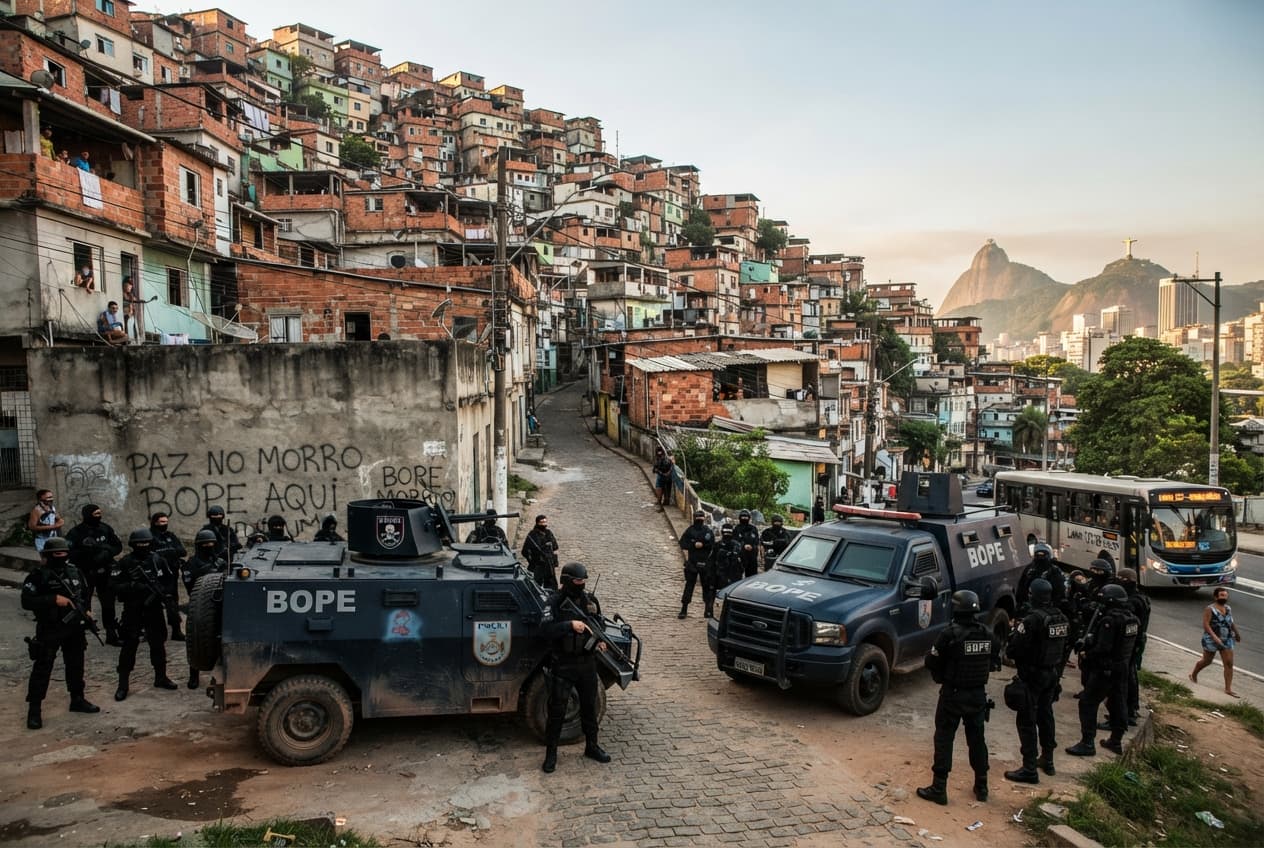
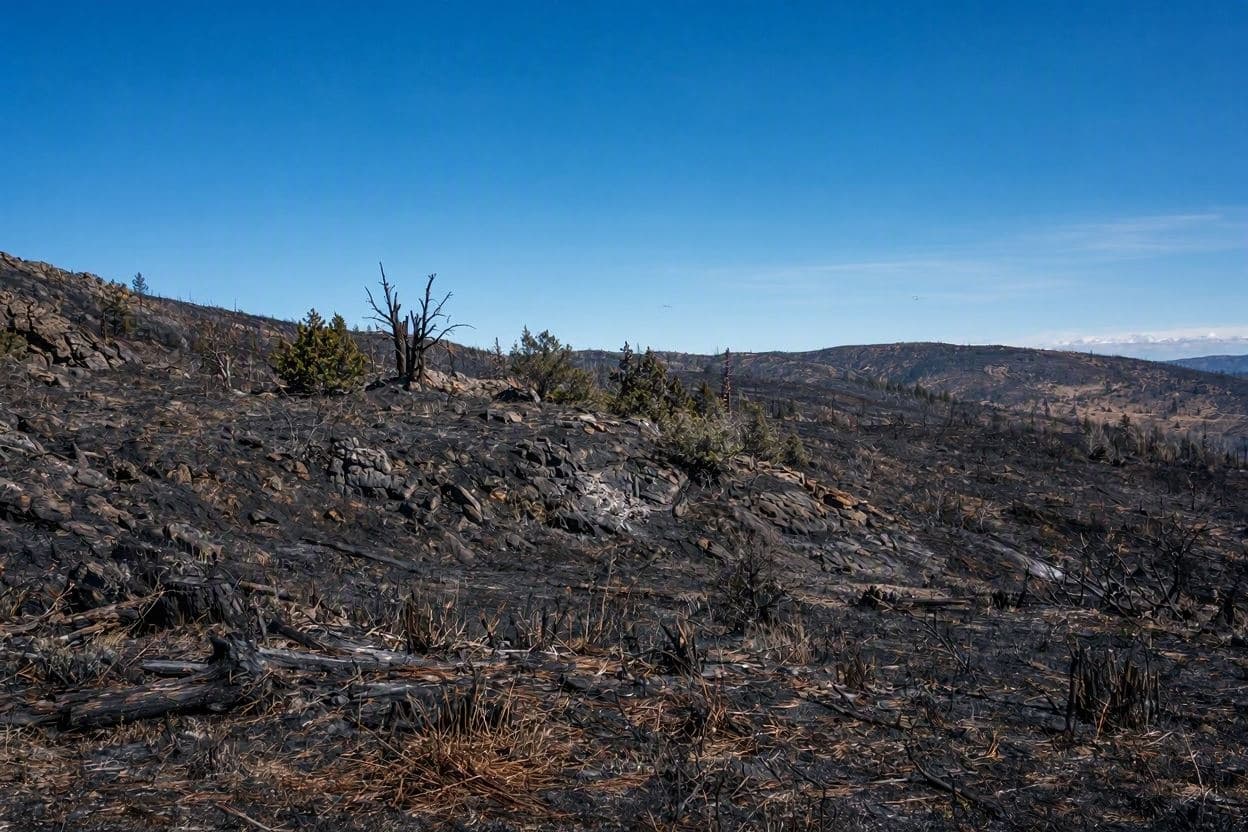
AI Image Disclaimer These illustrations were generated using AI as conceptual representations of the reported events and are not authentic photographs.
Sources Reuters The Jerusalem Post Associated Press Council on Foreign Relations BBC News
Published by Banx Network. This article is part of the Banx decentralized media programme, powered by the BXE token on the XRP Ledger.