
Key Highlights
- Incident:Cargo ship Mariana capsized during Super Typhoon Sinlaku.
- Search Efforts:Japan Coast Guard and U.S. forces involved in rescue operations.
- Recovery:One body found, five crew members still missing.
The ocean surrounding the Kyushu and Mariana arcs is known for its breathtaking beauty and sudden, violent storms. This maritime region has long posed challenges to sailors, particularly when warm southern currents collide with unpredictable seasonal winds. Recently, the cargo ship Mariana, designed for commercial transport, found itself ensnared in the heart of Super Typhoon Sinlaku—a storm that proved to be devastatingly powerful. The loss of a ship amidst such chaos is not merely a singular event; it is the culmination of multiple failures that lead to a tragic descent into the depths of the ocean.
When the Mariana reported to the Coast Guard that its starboard engine had failed, the countdown to disaster began. As the storm reached its peak intensity, contact with the vessel was lost, leaving it to confront 150-mph winds alone. In those harrowing moments, the boundary between the ship's sturdy hull and the tumultuous Pacific waters was irrevocably breached, transforming the vessel into a ghostly remnant of its former self.
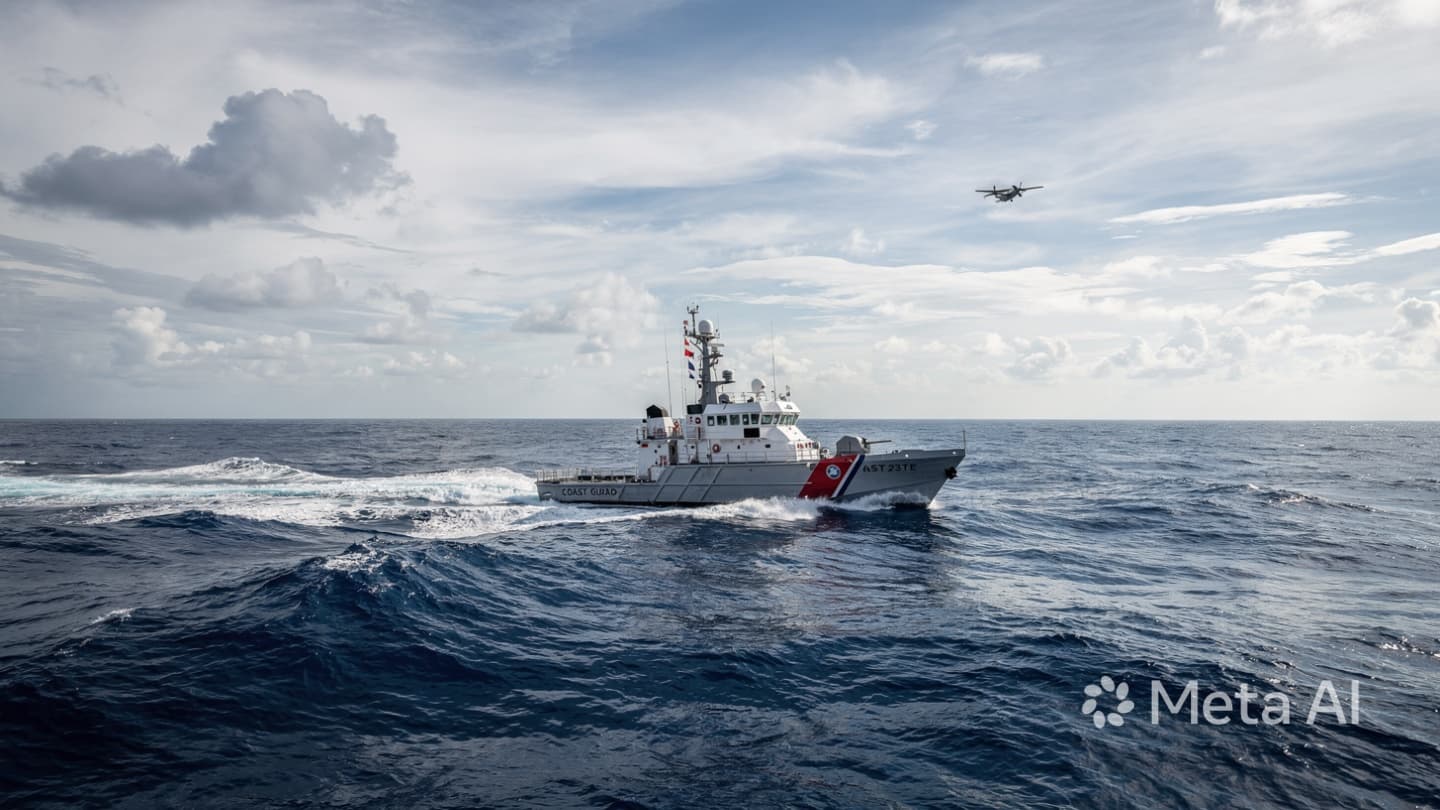
In the aftermath, the sea became a vast expanse for an international search operation. Aircraft from Japan, Guam, and New Zealand scoured the skies, their crews searching for the bright orange of a life raft among the endless whitecaps. Searching 99,000 square miles of open ocean is a daunting task, akin to finding a needle in a haystack. Each piece of floating debris—a crate, a buoy, or a fragment of wood—offers a glimmer of hope, often followed by disappointment.
Divers from the Japan Coast Guard and U.S. Air Force eventually located the overturned hull of the Mariana, a silent, barnacled island of steel adrift northeast of Pagan. Utilizing drones and subsurface technology, they explored the sunken spaces where the crew once lived and worked. The silence of the deep replaced the chaos of the storm, and while one individual was recovered, the search for the remaining five crew members shifted from the wreck to the surrounding waters.
The focus now lies on the life raft, a fragile orange sanctuary that symbolizes the thin line between survival and despair. These rafts are designed to endure the harshest conditions, stocked with essential supplies. However, the ocean has a way of concealing what it takes. A partially submerged raft was spotted over a hundred miles from the wreck, serving as a haunting reminder of the struggle faced by the crew. Whether they reached it or if it was swept away by the storm remains an unanswered question that haunts the search teams.
Meanwhile, families of the missing crew members in Kyushu and Guam endure a unique kind of anguish, suspended in a state of uncertainty. The agony of not knowing is a purgatory where hope for rescue battles with the harsh reality of the sea. The Mariana was more than just a ship; it represented a community of six men, each with their own lives and stories now held in the ocean's depths. The Coast Guard's empathetic messages provide little solace against the vast, salt-laden silence.
As the search continues, it stands as a testament to the international solidarity among those who depend on the sea. Even as the winds of the typhoon have subsided and the sun shines once more over the Mariana Islands, the mission persists. It is an act of defiance against the ocean, a refusal to let the crew vanish without every possible effort made to locate them. This situation serves as a reminder that despite our technological advancements, a person adrift in the Pacific remains one of the most vulnerable entities in existence.
As the sun sets over the search area, aircraft return to their bases while patrol vessels maintain their slow, methodical patterns. The ocean remains vast and unyielding, a mirror to the sky that reveals its secrets only when it chooses. The story of the Mariana underscores the price of the horizon and the enduring bravery of those who venture forth to meet it.
Published by Banx Network. This article is part of the Banx decentralized media programme, powered by the BXE token on the XRP Ledger.



