

Key Highlights
- The Pilbara region features ancient geological formations and vibrant landscapes.
- Recent surveys indicate stable ecological health in Karijini National Park.
- Conservation efforts aim to protect endangered species and expand protected areas.
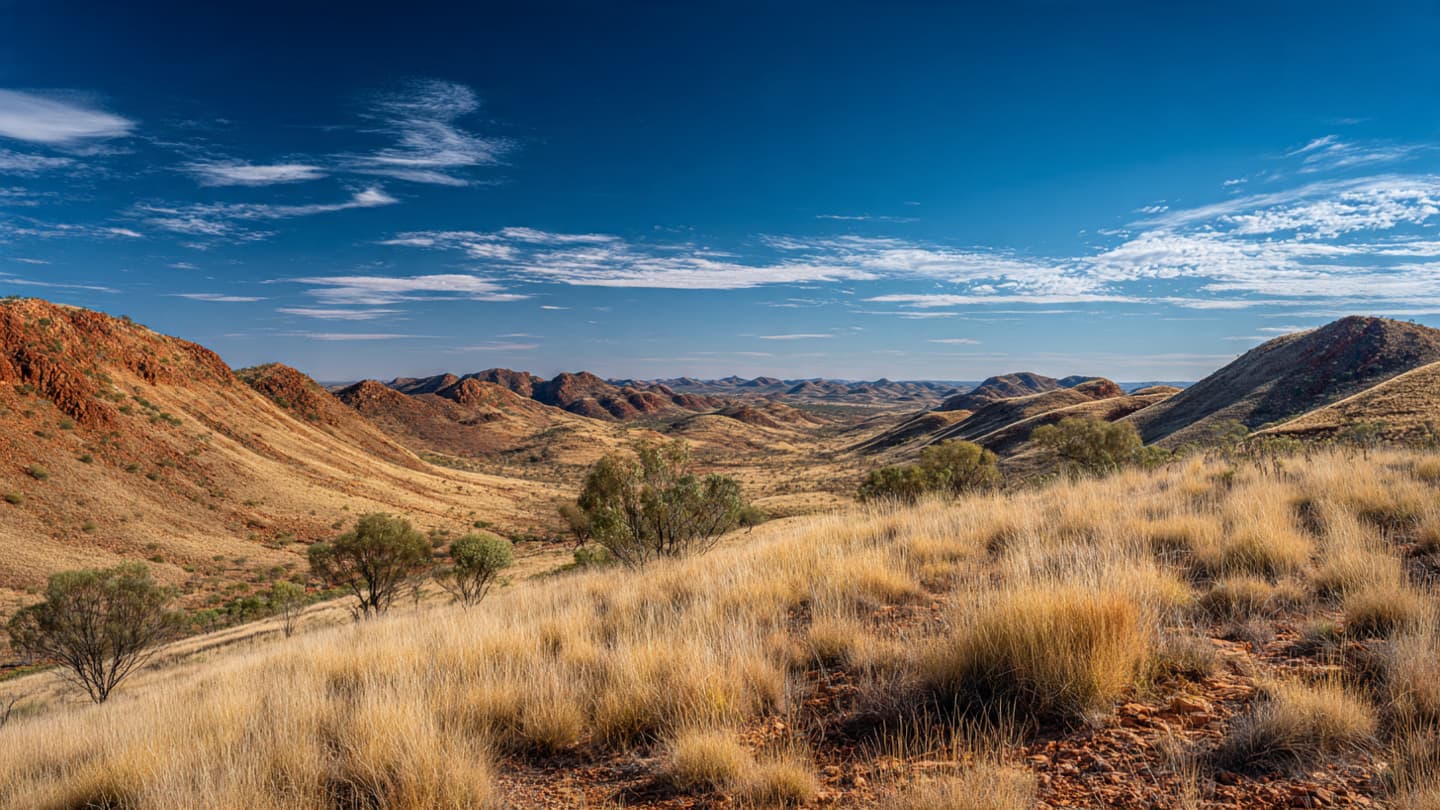
The Pilbara, located in the far northwest of Australia, is a region that captivates with its striking landscapes and rich geological history. Characterized by deep reds and burnt oranges, the area is a testament to the earth's ancient processes, where rocks have been shaped over billions of years. Standing on the edge of a canyon in this rugged terrain offers a glimpse into the planet's past, revealing layers of stone that tell stories of ancient seas and volcanic activity.
The heat in the Pilbara is not merely a measure of temperature; it is a palpable presence that envelops the land. This arid environment demands resilience, with spinifex grass thriving in the harsh conditions, its needle-like leaves shimmering in the relentless sun. This hardy plant symbolizes survival in a landscape where water is scarce, and only the most adaptable species can endure.
Amidst the arid scrub, the gorges of the Pilbara emerge as unexpected sanctuaries. These hidden oases, with their cool, green interiors, provide a stark contrast to the surrounding harshness. Here, ancient pools of water, filtered through rock over centuries, offer a glimpse of life sustained against the odds. The tranquility of these canyons is often interrupted only by the sounds of wildlife, such as the splash of a rock wallaby or the call of a whistling kite, reminding visitors of the vibrant life that exists within this seemingly inhospitable environment.
The geological forces that have shaped the Pilbara are awe-inspiring. The iron ore that colors the landscape is a remnant of a biological revolution that predates terrestrial life. As visitors traverse this land, they are reminded of their temporary presence in a place where the rocks will endure long after human civilizations have faded. This perspective fosters a deep appreciation for the natural world and its enduring legacy.
The light in the Pilbara transforms the landscape, creating a vivid tapestry of colors. In the early morning, the hills are bathed in soft purples, gradually warming to brilliant ochres as the sun rises. As dusk approaches, the earth glows with fiery oranges, a daily spectacle that highlights the sun's power to redefine the environment. This ever-changing light serves as a reminder of nature's artistry and the dynamic relationship between the land and the sky.
The silence of the Pilbara carries a spiritual weight, echoing the deep connections that Indigenous peoples have maintained with this land for tens of thousands of years. Efforts to protect the Pilbara extend beyond preserving its geological wonders; they honor the cultural significance of the landscape and the stories embedded within it. The red earth becomes a symbol of belonging, a reminder of the enduring relationship between people and the land.
As visitors depart from the ridges and head back toward the coast, the memory of the Pilbara lingers. Its colors and silence leave a lasting impression, encapsulating the raw beauty of Australia. This region, where the earth is allowed to exist in its purest form, serves as a powerful reminder of the elemental forces that shape our world.
Recent reports from the Western Australian Department of Biodiversity, Conservation and Attractions indicate that the ecological health of Karijini National Park remains stable. Surveys have shown healthy populations of endangered species, including the northern quoll and rare pebble-mound mice. Conservationists are actively working to expand protected zones within the Pilbara, ensuring that this remarkable landscape and its inhabitants are preserved for future generations.
Published by Banx Network. This article is part of the Banx decentralized media programme, powered by the BXE token on the XRP Ledger.




