
Key Highlights
- Successful Fundraising:The Marine Discovery Centre raised significant funds during its inaugural digital Giving Day in April 2026.
- Educational Impact:The initiative aims to enhance marine literacy among students through hands-on experiences in a protected marine environment.
- Conservation Legacy:The program fosters a sense of stewardship for the ocean among the next generation.
At the edge of the Hauraki Gulf, where the waters of the Goat Island Marine Reserve have remained undisturbed for half a century, a new kind of current is flowing. It is not a current of tide or salt, but of knowledge and empathy, as a successful new digital appeal brings the wonders of the deep into the lives of a new generation. The initiative at the Marine Discovery Centre is a powerful reminder that to protect our oceans, we must first learn to see them.
To watch a group of schoolchildren snorkel through the clear, protected waters of the reserve is to witness a moment of profound reconnection. Here, the wild snapper grow large and fearless, moving through the kelp forests with a grace that has been lost in much of the surrounding sea. It is a theater of resilience, a living laboratory where the lessons of conservation are written in the movement of a fin and the shimmer of a scale.
The recent success of the "Giving Day" has transformed the way this knowledge is shared, using the tools of the digital age to fund a deeply physical experience. By enabling schools from across the region to visit the sanctuary, the program bridges the gap between the abstract data of the classroom and the tactile reality of the ocean. It is a narrative of stewardship, where the investment of the community creates a legacy of care.
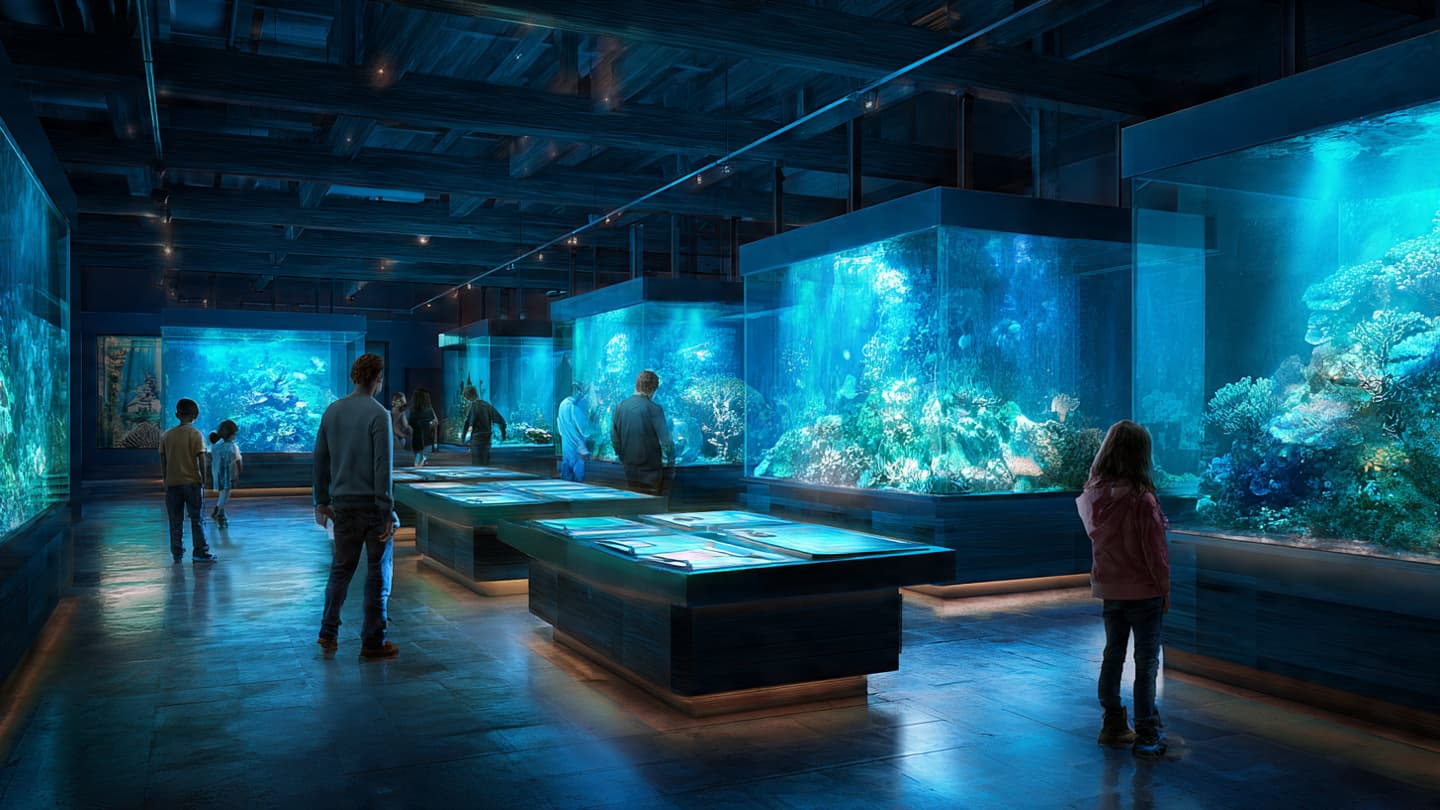
There is a specific, quiet joy in the Marine Discovery Centre—the sound of children’s voices mingling with the steady hum of the aquarium filters. As they engage with live sea creatures and explore interactive exhibits, they begin to understand that the ocean is not just a resource, but a complex and vulnerable world that requires our active protection. It is a lesson in harmony, taught by the sea itself.
We often think of marine conservation as a series of grand, distant policies, but its true heart is found in these small moments of discovery. By fostering a sense of wonder in the young, we ensure that the boundaries of our reserves are held not just by laws, but by the convictions of the people. The snapper of Goat Island are more than just fish; they are the ambassadors of a future where the sea is allowed to breathe.
The light off the Auckland coast highlights the incredible diversity of the marine environment, making even the smallest tide pool feel like a kingdom of its own. This literacy of the ocean is a fundamental skill for a nation defined by its relationship with the water. To understand the damage of overfishing and pollution is to find the motivation to act in a different, more thoughtful way.
As the sun sets over the oldest marine reserve in the country, the legacy of the pioneers who first drew these lines across the water is being carried forward by those who will one day take their place. The success of the appeal is a sign that the spirit of guardianship is still vibrant and strong in New Zealand. We are finding that when we give our children the chance to love the ocean, they will find their own ways to save it.
The story of Goat Island is a story of return—of species returning to their natural abundance, and of people returning to a place of respect for the natural world. By honoring the life of the reserve, we are honoring the future of our shores. The water remains clear, and the eyes of the next generation are beginning to open to its beauty.
Published by Banx Network. This article is part of the Banx decentralized media programme, powered by the BXE token on the XRP Ledger.



