
Key Highlights
- Discovery:Authorities in Western Mexico have uncovered clandestine graves containing the remains of at least eleven individuals.
- Investigation:The site was found following an anonymous tip, prompting a formal investigation by state forensic teams.
- Community Impact:Families of the missing are seeking closure as identification efforts begin.
The recent discovery of clandestine graves in Western Mexico has sent shockwaves through local communities, highlighting the ongoing crisis of missing persons in the region. Authorities announced that the remains of at least eleven individuals were found in a remote rural area, a site that had remained hidden until an anonymous tip led forensic teams to investigate. This grim revelation has reignited discussions about the safety and security of communities plagued by violence and disappearances.
The excavation process, described as both methodical and somber, reflects the delicate balance between scientific inquiry and the emotional weight carried by families searching for their loved ones. As forensic specialists carefully unearth the remains, they are not just uncovering bones; they are piecing together stories that have been silenced. Each fragment recovered is a testament to lives that were abruptly ended, and the work being done is a crucial step toward restoring dignity to the deceased and their families.
Families who have endured years of uncertainty are now faced with a complex mix of emotions. The discovery of a grave can bring both hope and despair—a chance for answers, but also the painful finality of loss. Many families have been searching for signs of their loved ones, and the sight of a hidden grave can evoke a profound sense of grief. The emotional toll is immense, as they grapple with the reality that their loved ones may never return.
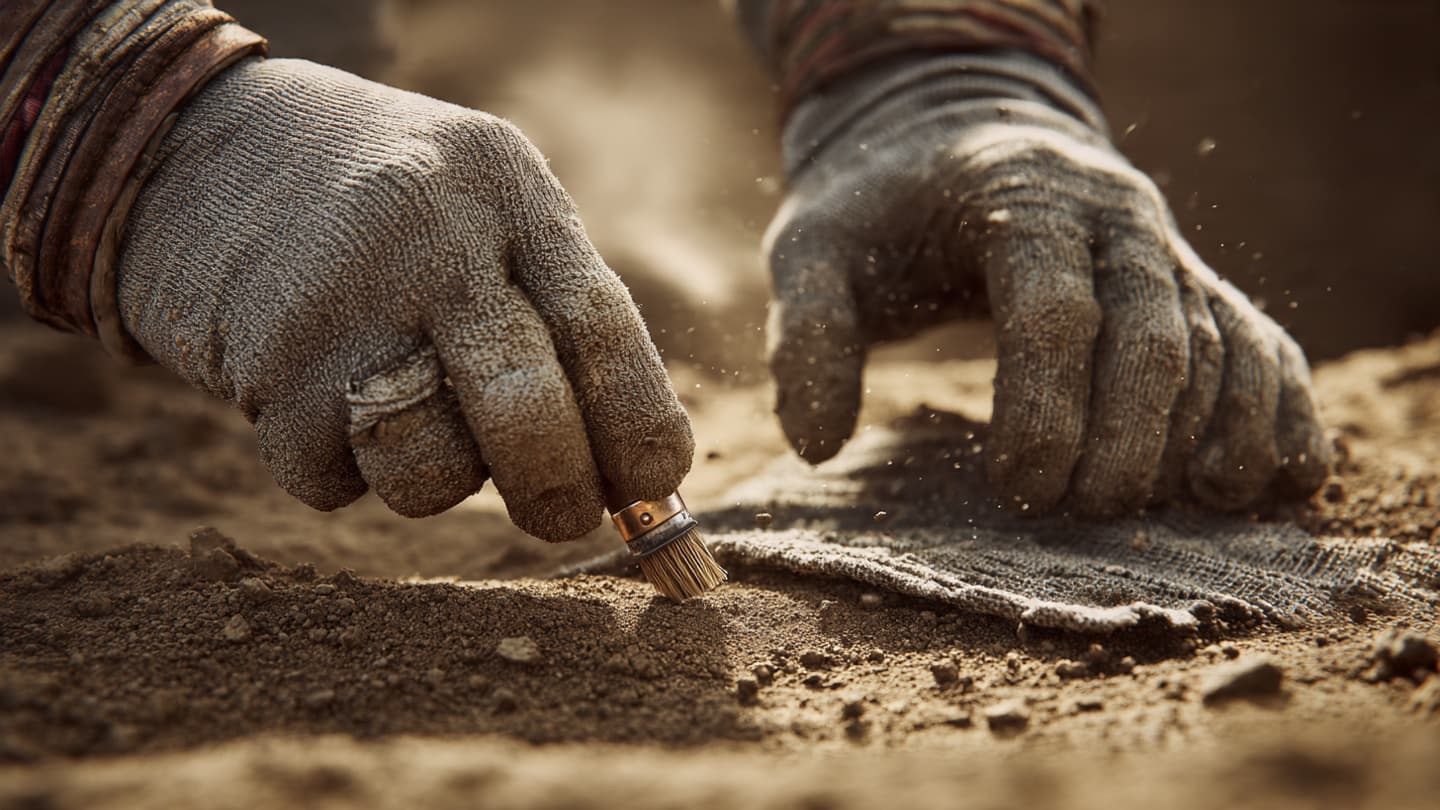
The forensic recovery process is not merely a scientific endeavor; it is a deeply human one. Each piece of evidence is treated with respect, acknowledging the lives that were lost and the families left behind. The rhythm of shovels and brushes in the quiet countryside serves as a reminder of the ongoing struggle for justice in a region marked by violence. As the sun casts long shadows over the excavation site, the work continues, driven by a commitment to uncover the truth.
As the investigation unfolds, state prosecutors have opened a formal inquiry into the circumstances surrounding the clandestine burials. This step is crucial for ensuring accountability and addressing the broader issues of violence and impunity that have plagued Western Mexico. The community is watching closely, hoping that this discovery will lead to justice for the victims and their families.
The impact of such discoveries extends beyond the immediate families; it resonates throughout the community. The knowledge that the land holds secrets of the past can alter the way residents view their surroundings. The once-familiar landscape now carries the weight of hidden histories, prompting a collective reckoning with the violence that has affected so many lives.
In the aftermath of this discovery, there is a renewed call for action and awareness regarding the plight of missing persons in Mexico. Advocacy groups are urging authorities to prioritize investigations and provide support to families who have suffered in silence for too long. The uncovering of these graves serves as a stark reminder of the work that remains to be done in the pursuit of justice and closure.
As the dust settles over the excavation site, the silence that returns is different from before. It is a silence that acknowledges the pain of loss but also holds the potential for healing. For the families of the missing, the journey toward closure is just beginning, and the hope for justice remains alive.
Published by Banx Network. This article is part of the Banx decentralized media programme, powered by the BXE token on the XRP Ledger.



