
Key Highlights
- Smart vineyards are integrating IoT technology for better crop management.
- Adoption of IoT devices in vineyards has increased by 25% in two years.
- Data-driven irrigation has reduced water consumption by up to 15% in drought-prone areas.
The modern vineyard is not just a picturesque landscape; it is increasingly becoming a hub of technological innovation. In regions like New Zealand and Australia, the ancient craft of winemaking is being transformed by the advent of smart technology. This evolution is marked by the emergence of the 'Smart Vineyard,' where sensors and satellite imagery provide winemakers with unprecedented insights into their crops, enhancing both the quality and sustainability of wine production.
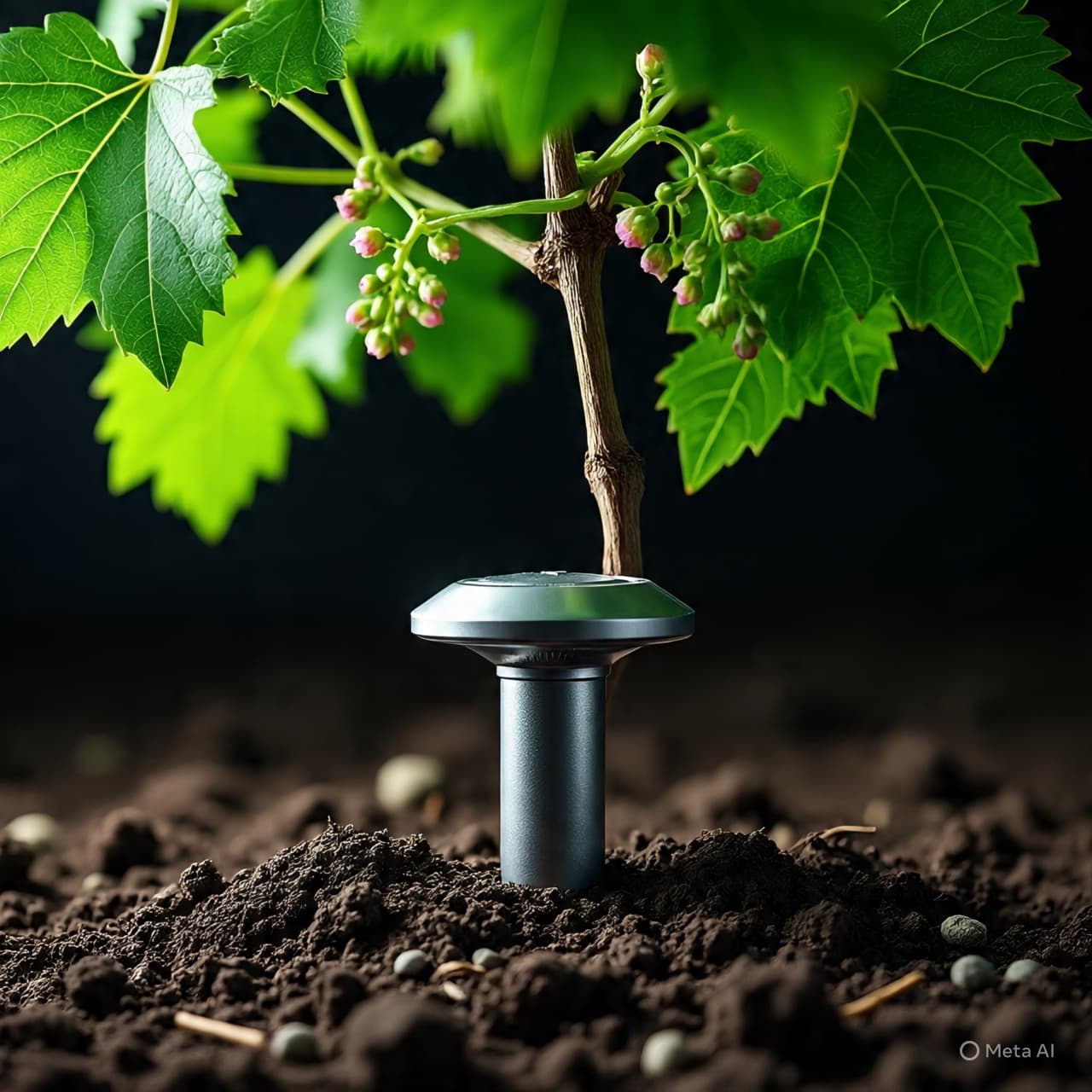
Walking through a vineyard today, one can observe a blend of nature and technology. Soil sensors meticulously monitor moisture levels, while drones equipped with infrared cameras assess the health of the vines from above. This integration of technology does not detract from the artistry of winemaking; rather, it enriches the winemaker's understanding of their land. The dialogue between silicon and soil is crucial, ensuring that each grape can achieve its fullest potential.
As climate change introduces new challenges, these technological tools are becoming essential. Traditional methods alone are no longer sufficient to navigate the unpredictability of weather patterns. The smart vineyard model allows for agile responses to environmental stresses, optimizing water usage and minimizing the ecological footprint of wine production. This shift towards precision agriculture represents a significant step forward in sustainable farming practices.
In the fermentation process, technology continues to play a vital role. Automated systems now monitor critical parameters such as temperature and sugar content in real-time, providing winemakers with the consistency that was once elusive. However, the final blending of wines remains a deeply human endeavor, where the winemaker's intuition and creativity come into play. The most successful outcomes arise from the synergy of advanced data analytics and traditional craftsmanship.
Despite the benefits, the transition to a tech-driven approach has sparked a debate within the industry. Some traditionalists express concern that the romantic image of farming is being overshadowed by data analytics. Yet, there is a growing appreciation for the traceability that technology affords consumers, who increasingly want to understand the origins of their food and drink. The smart vineyard not only enhances production but also tells a story, connecting the consumer to the land and the labor behind each bottle.
The economic implications of adopting such technology are significant. While the initial costs can be daunting, the long-term benefits in efficiency and product quality are becoming essential for survival in a competitive market. A new breed of viticulturalists is emerging—professionals who are as adept with data analysis as they are with traditional vineyard practices. This transformation is reshaping the industry, fostering a more analytical and forward-thinking approach to winemaking.
As night falls over the vineyard, sensors continue their silent vigil, gathering data that will inform the next day's actions. The vineyard becomes a living laboratory, where the future of agriculture is being explored. The interplay between digital technology and biological systems is not just a trend; it is a necessary evolution in our approach to food production.
With the dawn, the data collected translates into actionable insights. Irrigation systems activate, pruning begins, and the cycle of growth continues. We are entering a new era of agriculture, where the digital and biological realms are intertwined. The smart vineyard stands as a testament to our commitment to understanding and preserving the land, ensuring that future harvests are as rich and diverse as those of the past.
Recent reports indicate a 25% increase in the adoption of IoT devices in vineyards over the past two years. Experts note that data-driven irrigation management has led to a reduction in water consumption by up to 15% in drought-prone regions. While some traditionalists voice concerns about the industrialization of winemaking, market data reveals that tech-integrated wineries are achieving higher consistency ratings in international competitions. Looking ahead, innovations such as autonomous harvesting robots and AI-driven pest prediction models are on the horizon, promising to further revolutionize the industry.
Published by Banx Network. This article is part of the Banx decentralized media programme, powered by the BXE token on the XRP Ledger.



