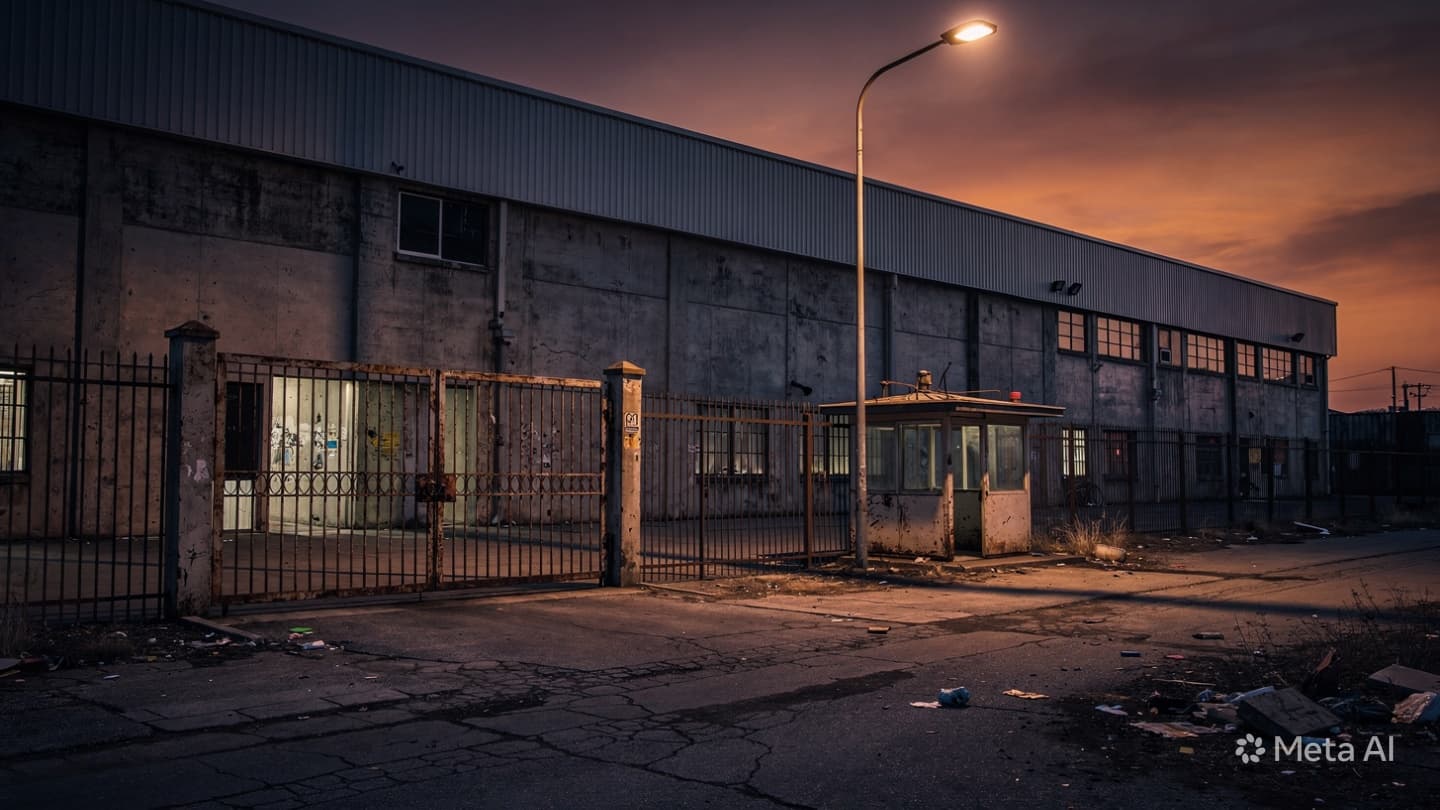
The coastal air carries a heavy, salt-laden moisture that settles over the industrial expanses of the port city long before the midnight hours arrive. In these vast, quiet complexes, rows of warehouses stand like silent monoliths, guarding the accumulated wealth of global transit behind high walls and iron gates. For those tasked with watching over these sleeping structures, the night is usually measured by the steady rhythm of footsteps and the slow passage of hours. It is a lonely, necessary vigilance, defined by a deep familiarity with the shadows and the routine sounds of a resting harbor.
To look upon such a scene in the quiet morning is to realize how quickly the boundary between security and vulnerability can dissolve. The gates that were meant to keep the world at bay become the backdrop for a sudden, quiet tragedy that leaves a community grasping for answers. In the early hours, the usual movement of laborers and transport vehicles is replaced by a somber, watchful stillness as the gravity of loss sets in. It is an atmosphere where the familiar machinery of commerce feels suddenly cold, overshadowed by a profound human absence.
The individuals who accept these nocturnal vigils often occupy a quiet, unheralded space in the social fabric, providing the silent assurance that allows the day to function smoothly. Their presence is a given, a reliable fixture of the landscape that is rarely contemplated until it is abruptly removed. This sudden quietude ripples outward from the immediate family to the fellow workers who shared the long, dark shifts. The grief is not loud or performative, but it hangs heavily over the concrete yards and the metal doors that still bear the marks of the night's events.
Within the surrounding neighborhoods, the news is received with a mixture of pragmatic caution and a deeper, more reflective sorrow for lives cut short in the line of duty. Conversations among the local residents turn to the inherent fragility of those who stand watch at the edges of the city's prosperity. There is a collective understanding that the safety of the whole often rests on the quiet courage of a few, working in the hours when most are asleep. This awareness creates a quiet bond of solidarity among those who know the unique vulnerability of the night.
The authorities tasked with untangling the threads of the event move through the space with methodical care, searching for meaning in the silent evidence left behind. Every lock, every footprint, and every disturbed shadow is scrutinized to reconstruct the moments when the routine of the watch was broken. This process is slow, requiring a deliberate patience that contrasts sharply with the sudden violence of the act itself. It is a reminder that justice, much like the security it seeks to restore, is built on the careful accumulation of small, quiet truths.
As the day progresses, the warehouse complex attempts to return to its accustomed patterns, but the rhythm remains noticeably altered, heavy with the memory of the dawn. The trucks arrive and depart, the paperwork is processed, but the interactions among the staff are marked by a rare, gentle solemnity. The shared spaces—the guard booth, the break area, the gated entrance—have become monuments to an unexpected absence, forcing everyone to confront the true cost of protection. It is a transition marked by a quiet, collective determination to remember.
The international and local businesses that rely on these transit hubs observe these developments with a quiet concern for the safety of their personnel and operations. The incident serves as a stark reminder that the smooth flow of goods depends ultimately on the human elements that safeguard the journey. Discussions regarding the reinforcement of security measures are conducted not with aggression, but with a sober recognition of the risks faced by those on the front lines. The focus remains on preventing another silent failure of the perimeter.
In the wider cultural landscape, the event underscores the enduring challenges of urban security and the quiet sacrifices that go unnoticed in the daily rush. The stories of the fallen are woven into the larger, complex tapestry of the city's growth, serving as a reminder of the human cost of progress. As the sun begins to set once more over the harbor, the lights return to the walls, casting long shadows that remind all who pass of the watch that must still be kept.
Local law enforcement officials in Mombasa have officially launched a comprehensive homicide investigation following the discovery of two security guards found dead at a local warehouse facility. Initial police reports indicate that the victims suffered fatal injuries during an apparent break-in by unidentified assailants during the late-night hours. Investigators from the Directorate of Criminal Investigations have secured the scene and are currently reviewing available surveillance footage to identify suspects. Security firms across the region have expressed condolences and urged cooperation as authorities work to establish the full sequence of events.
Published by Banx Network. This article is part of the Banx decentralized media programme, powered by the BXE token on the XRP Ledger.