
Key Highlights
- Sanctioned ships continue to navigate the Strait of Hormuz despite geopolitical tensions.
- The U.S. sanctions influence global shipping routes and insurance costs.
- China expresses concerns over heightened enforcement measures in the region.
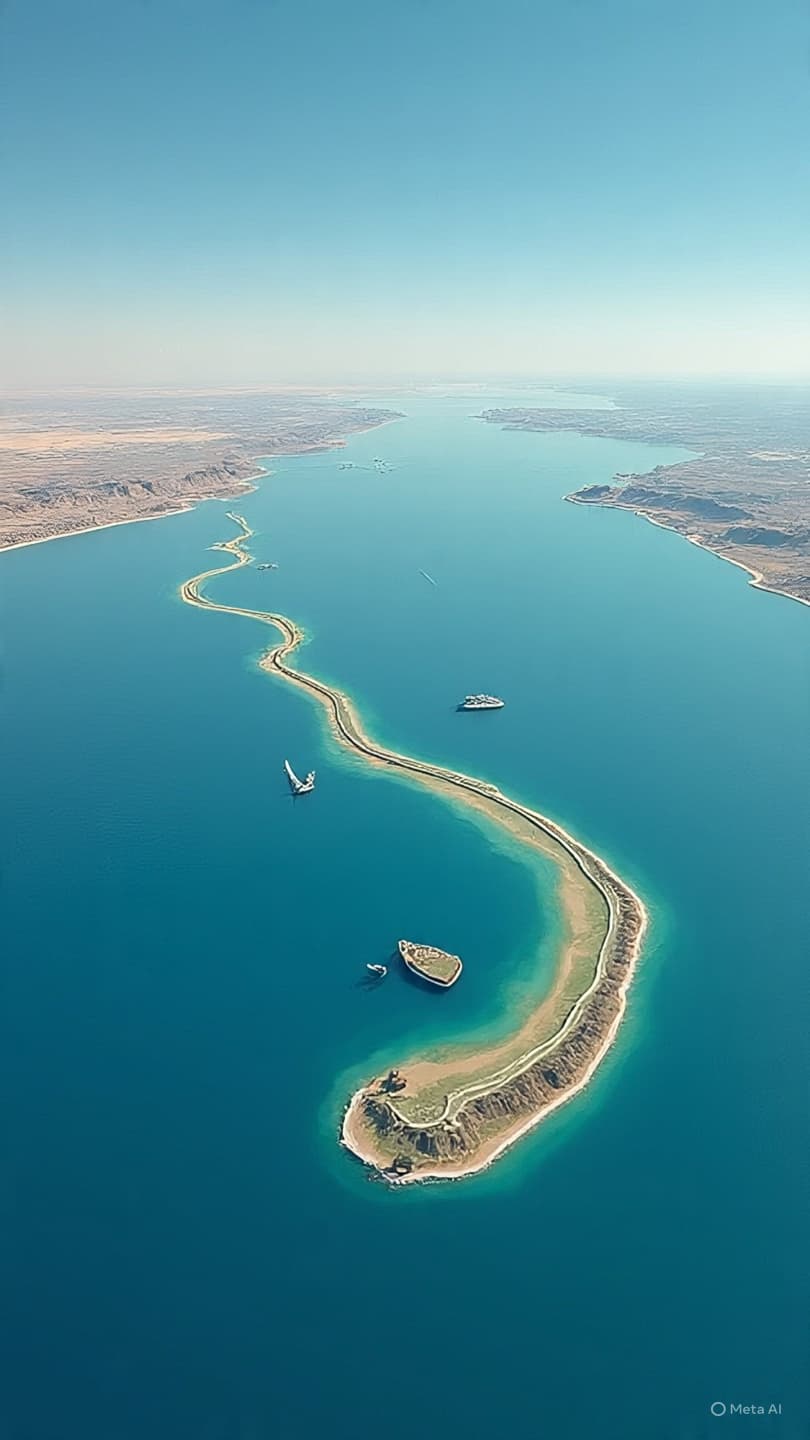
The Strait of Hormuz, a vital maritime corridor, remains a focal point of global shipping and geopolitical strategy. Recent reports indicate that sanctioned vessels are still traversing this critical waterway, even as diplomatic rhetoric intensifies among major powers, particularly the United States and Iran. This ongoing maritime traffic underscores the complexities of international relations and the persistent challenges posed by sanctions.
As one of the world's most significant chokepoints for oil and gas shipments, the Strait of Hormuz is not merely a passage for ships but a battleground for competing interests. The U.S. has implemented a series of sanctions aimed at curbing Iranian influence and ensuring the safety of navigation in the region. These measures have far-reaching implications, affecting not only the vessels that pass through but also the broader economic landscape, including shipping insurance and logistics.
China's response to the U.S. enforcement measures has been particularly vocal, labeling them as “dangerous” and warning against potential escalations. This criticism reflects a growing concern over the stability of the Strait, which is essential for global energy supplies. The language used in these diplomatic exchanges highlights the delicate balance of power and the potential for miscalculation in a region fraught with historical tensions.
For Iran, the Strait of Hormuz represents more than just a shipping lane; it is a symbol of sovereignty and a critical element of its economic strategy. The Iranian government closely monitors U.S. naval presence and enforcement actions, interpreting them through a historical lens of conflict and negotiation. Each movement of naval forces or changes in enforcement policy is scrutinized, as these actions can significantly impact Iran's economic leverage and security posture.
The U.S. sanctions framework not only categorizes vessels but also shapes the operational realities of maritime trade. Ships flagged under various jurisdictions must navigate a complex web of regulations that influence their ability to operate freely. This administrative oversight extends beyond mere compliance; it affects the cost of shipping, the routes taken, and the decisions made by logistics companies worldwide.
In this intricate environment, the passage of sanctioned vessels through the Strait of Hormuz becomes emblematic of broader geopolitical dynamics. It illustrates the interplay of legal, economic, and strategic factors that define maritime operations in one of the world's most contested regions. The Strait itself, with its enduring currents and geographical constraints, serves as a constant backdrop to these unfolding narratives of enforcement, defiance, and international diplomacy.
As ships continue to navigate these waters, the implications of their movements resonate far beyond the immediate vicinity. The ongoing flow of maritime traffic reflects the complexities of global politics, where each vessel's journey is intertwined with the larger narrative of international relations. In this context, the Strait of Hormuz remains a stage for the world's tensions, where the interplay of power, strategy, and commerce unfolds in real-time.
Published by Banx Network. This article is part of the Banx decentralized media programme, powered by the BXE token on the XRP Ledger.



