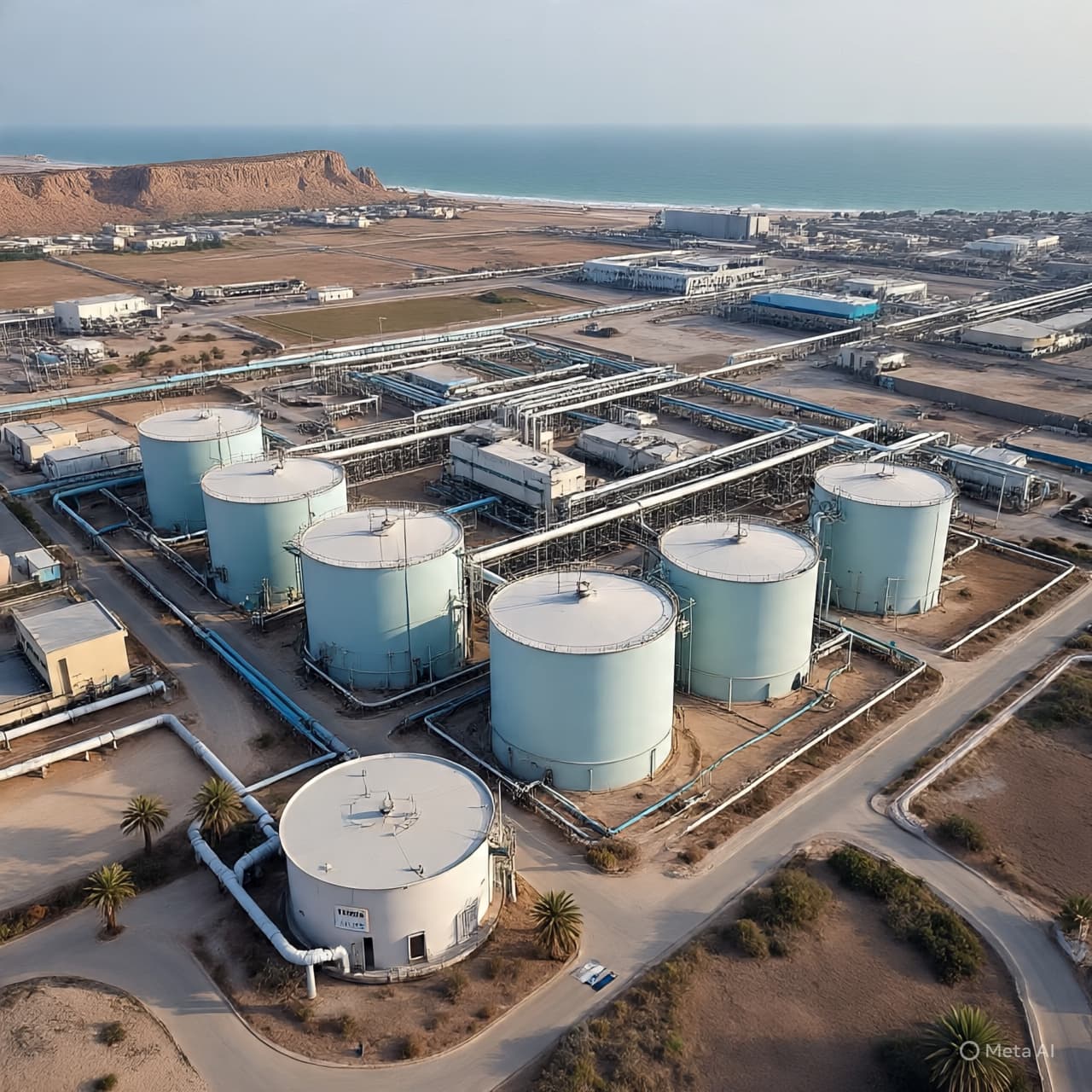
In the countries that edge the Persian Gulf, water begins its life not in rivers or lakes but in the quiet machinery along the shore. Pipes draw the sea inward, membranes sift salt from sweetness, and from the restless tide comes the daily miracle of drinkable water. These plants work without spectacle, humming beside harbors and industrial docks, their purpose simple and vital: turning ocean into life.
On most days, they exist outside the language of conflict. Their pipes and turbines speak only to engineers and maintenance crews. Yet in times when skies fill with aircraft and the horizon carries the faint sound of distant strikes, even the quiet architecture of water becomes part of a wider story.
That quiet was interrupted in Bahrain when officials said a drone launched from Iran struck a water desalination facility, causing material damage to the site. The country’s Interior Ministry described the attack as targeting civilian infrastructure, saying the unmanned aircraft hit the plant and left visible damage in its wake.
Reports from regional media said debris from the strike also injured three people when fragments struck a nearby building. Emergency responders were dispatched, and authorities moved quickly to assess the damage and maintain operations at the facility.
For Bahrain and much of the Gulf, such infrastructure is more than industrial equipment. In arid landscapes where natural freshwater is scarce, desalination plants produce the majority of drinking water for millions of residents. These coastal complexes quietly sustain daily life—homes, hospitals, and cities that depend on the steady flow of treated seawater.
The strike unfolded amid a rapidly widening regional conflict that has drawn in multiple countries across the Middle East. In recent weeks, a cycle of air and missile attacks has spread beyond its original front lines, with drones and rockets striking sites in several Gulf states as tensions escalate between Iran, Israel, and the United States.
Bahrain has already faced a series of missile and drone threats during the crisis, with authorities reporting multiple interceptions in recent days. Some attacks have damaged infrastructure and buildings in and around the capital, reflecting how the conflict has begun to touch areas far from the main battlefields.
The attack on the desalination plant has drawn particular attention because of the essential role such facilities play in the region’s survival. Experts have long warned that water infrastructure in the Gulf is highly exposed during war, relying on coastal facilities that can be vulnerable to missile or drone strikes.
For now, Bahraini authorities say the damage to the plant is limited and emergency teams are working to manage the situation. The government has condemned the strike and said investigations into the incident are ongoing.
The drone attack on the desalination facility was reported on March 8 as part of a series of Iranian retaliatory strikes across the Gulf during the continuing regional conflict.
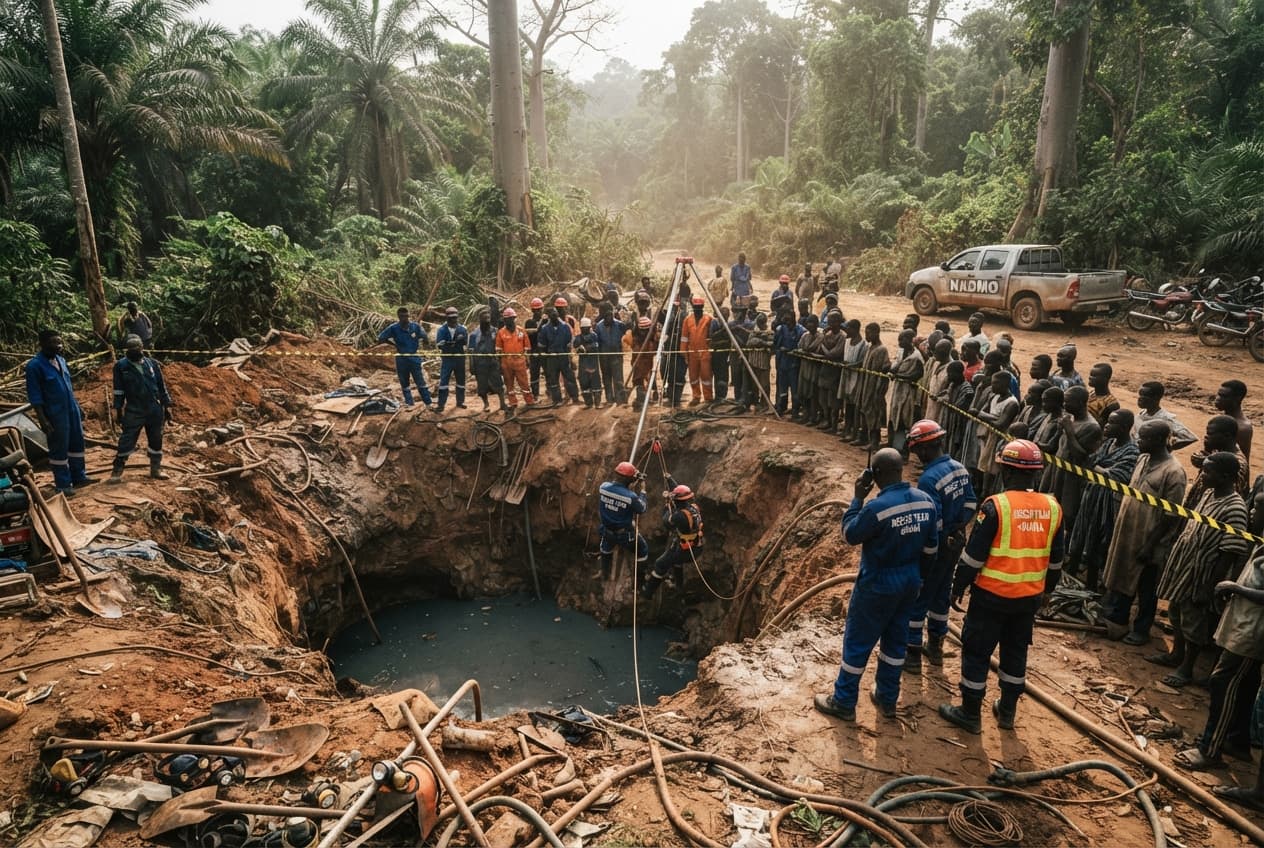
AI Image Disclaimer This image was generated using AI and is intended for illustrative purposes only.
Sources (Media Names Only) Associated Press Arab News Al Arabiya Anadolu Agency The Guardian
Published by Banx Network. This article is part of the Banx decentralized media programme, powered by the BXE token on the XRP Ledger.