
Key Highlights
- Discovery:Scientists have confirmed stardust in Venus' upper atmosphere.
- Implications:This finding reshapes our understanding of Venus' atmospheric interactions.
- Future Research:Further studies will explore how stardust influences Venus' cloud chemistry.
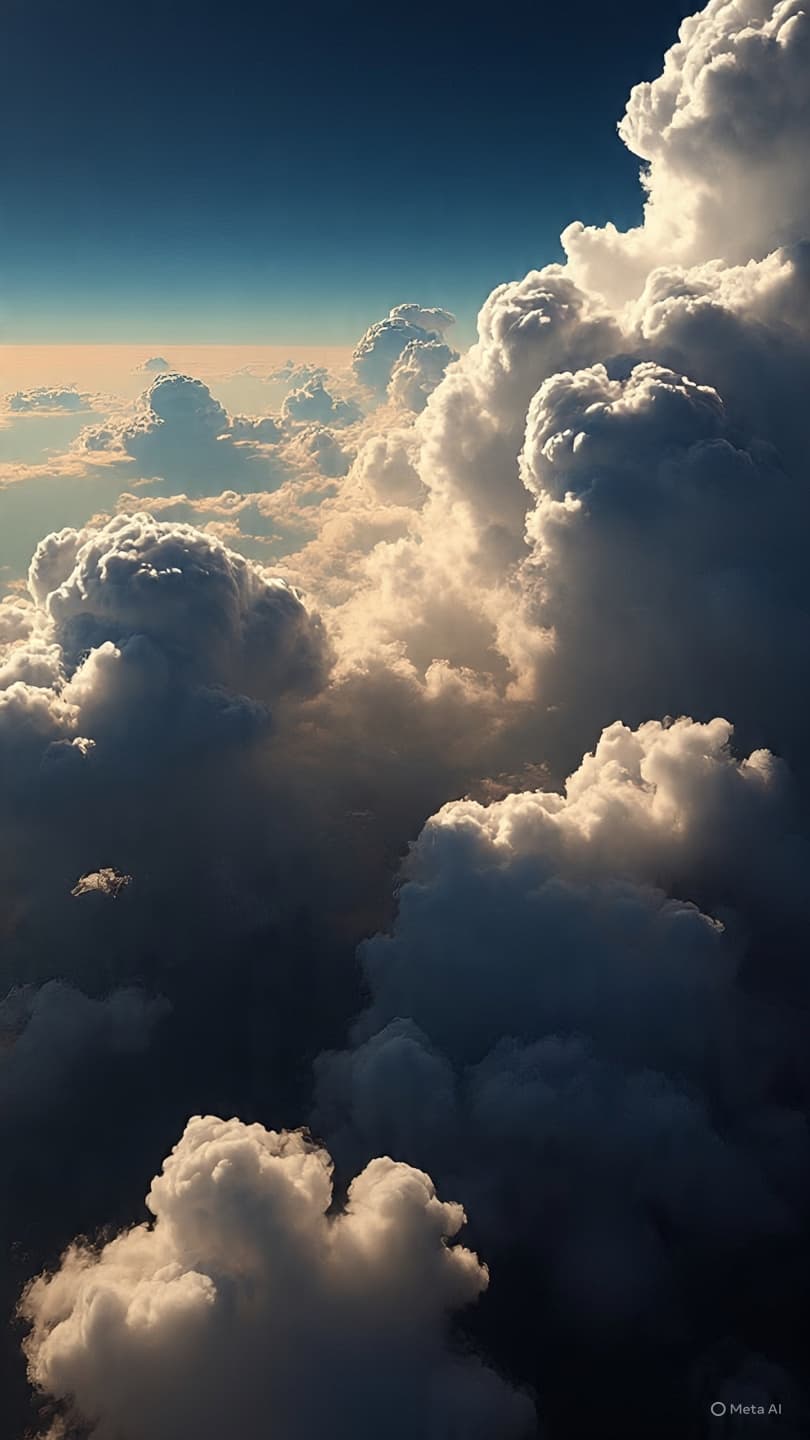
The atmosphere of Venus is often described as a hellscape of pressure and heat, a suffocating envelope that seems to defy the very possibility of life as we understand it. It is a space where the rhythm of the planet is dictated by the relentless movement of dense, acidic clouds. Yet, the recent discovery of stardust—fine, celestial matter caught within these high-altitude drifts—has shifted the entire topography of our understanding of this neighboring planet, leaving behind a profound and lingering sense of wonder.
The presence of this cosmic dust, an intergalactic traveler arriving from the distant reaches of the solar system to settle into the upper layers of the Venusian sky, acts as a catalyst for a broader, necessary reckoning with the origins of our neighborhood. This finding is not merely a matter of physical substance; it reflects the intricate, often invisible connections that define the movement of material through the void. The alarm and excitement currently spreading among the scientific community are a response to the realization that even in the most hostile environments, the cosmos leaves its trace.
For institutions of planetary science, the challenge is clear: how to move beyond the reactive measures of atmospheric modeling to address the core of the mystery? The stardust serves as stark, undeniable evidence of a disconnect between our previous understanding of the planet and the lived reality of its turbulent sky. This tension demands a shift from the passive acknowledgment of the planet’s surface to an active, sustained effort to explore the chemistry of its higher atmosphere.
Researchers at the forefront of this mission are demanding a transparency that our current data has long been reluctant to provide. Their work, amplified by sophisticated telescopic observations, is forcing a dialogue that can no longer be ignored. This moment of potential transformation sees the pressure exerted from the scientific community being met with the weight of global curiosity, however slow and reluctant that response may be.
As exploration progresses, the focus must remain on the implications for the future of planetary science. The stardust is not just data; it is a reflection of a dynamic, interconnected system that we have only just begun to map. The work of modeling and future probe design must be deeply intertwined, recognizing that restoring our clarity regarding Venus is an ongoing, laborious process requiring the engagement of every member of the global scientific community.
In the end, the stardust in the clouds of Venus is a symptom of a larger, systemic truth that has been allowed to remain hidden for far too long. The current excitement is a necessary, if technical, wake-up call, reminding us that the sanctuary of our solar system is not an inherent state of stillness, but one that is constantly being shaped by the drift of the stars. This is a call to action that extends beyond the borders of any single laboratory, challenging us to rethink the structures of planetary history in the space age.
Scientists have confirmed the presence of extraterrestrial stardust trapped within the upper cloud layers of Venus, a discovery that offers new insights into the planet’s atmospheric interactions and the broader movement of celestial material. Using advanced spectroscopic data, researchers identified chemical signatures consistent with interplanetary dust, suggesting that Venus plays a more active role in collecting solar system debris than previously theorized. Further study is expected to determine how this matter influences the planet's unique, highly reflective cloud chemistry.
Published by Banx Network. This article is part of the Banx decentralized media programme, powered by the BXE token on the XRP Ledger.



