
Key Highlights
- Discovery:Archaeologists in Niš, Serbia, have unearthed a significant Roman-era residential complex.
- Artifacts:The site includes exceptionally preserved mosaics and silver coinage.
- Historical Context:Experts believe the complex dates back to the 4th century, marking a major archaeological find in the region.
The city of Niš, where the river flows with the steady patience of a witness, has long been a repository for the dreams of emperors. Walking these streets is akin to treading upon layers of history so thick that the present feels like a mere veil over the past. Recently, that veil was pulled back once more, revealing the intricate artistry of a civilization that regarded this Balkan crossroads as the very heart of its power.
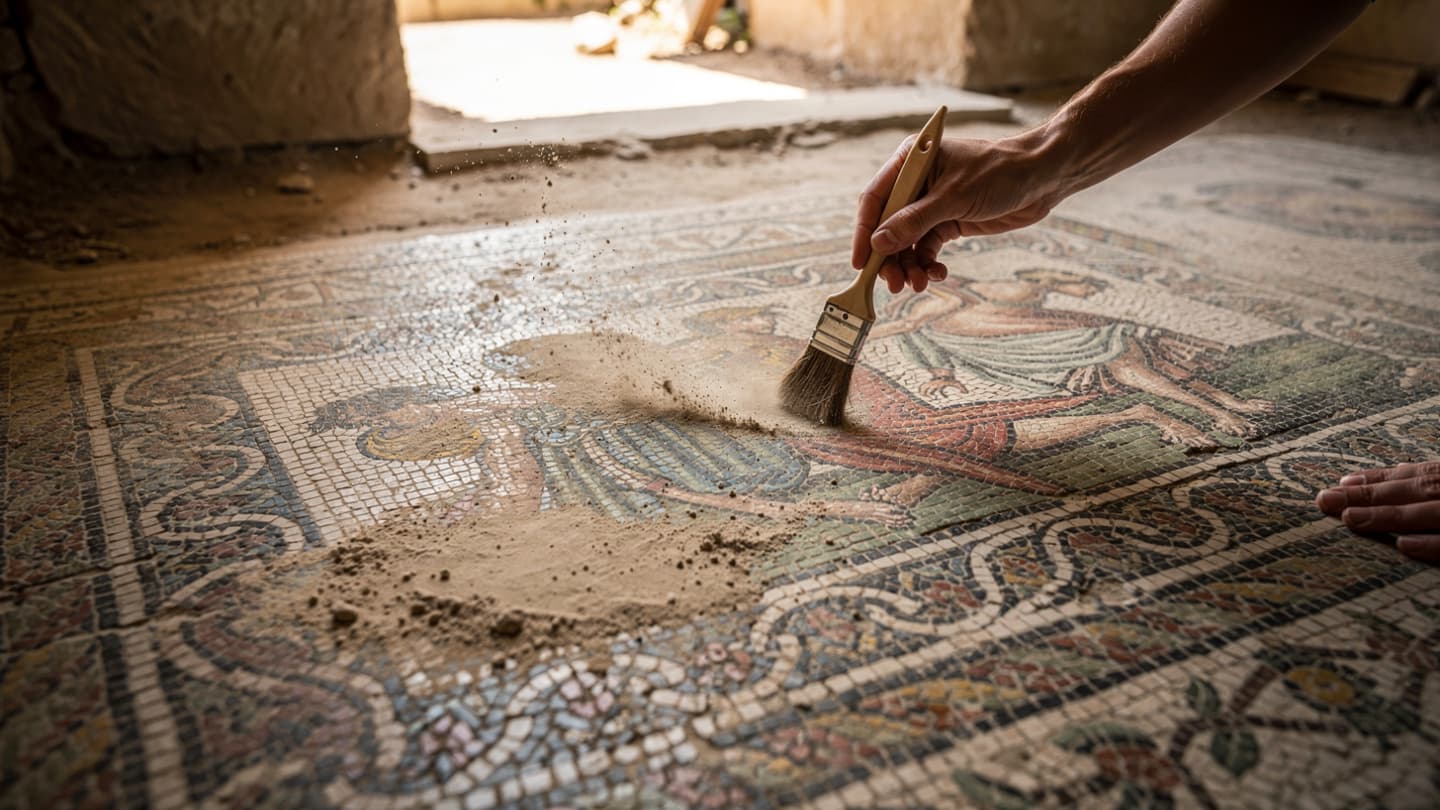
A specific fragrance fills the air at the excavation site—damp stone and ancient minerals, a scent that has not seen the light for two millennia. Archaeologists work meticulously, their brushes moving with the tenderness of a physician, clearing away centuries from mosaic floors that once felt the sandaled feet of Roman nobility. These artifacts are not merely remnants; they are the physical remains of a grand ambition that once stretched from the Atlantic to the Euphrates.
Among the artifacts unearthed are glimmering coins, delicate pottery, and the stern marble faces of forgotten officials. Each item carries a silent weight, reminding us that the structures we build today are destined to become the foundations of tomorrow’s excavations. In the quiet of the dig site, the bustle of modern Serbian life fades, replaced by the ghostly hum of a bustling Roman marketplace that once thrived on this very spot.
Niš, known to the ancients as Naissus, was the birthplace of Constantine the Great, and that imperial heritage is etched into every stone turned by the spade. There is a sense of homecoming in these discoveries, a feeling that the city is reclaiming a part of its identity that had been temporarily misplaced. Local residents gather at the perimeter of the site, peering into the trenches at the vibrant colors of tiles that have outlasted empires.
The preservation of such beauty is a delicate labor, requiring a marriage of ancient craftsmanship and modern chemistry. Observing a mosaic being cleaned is akin to watching a sunset occur in reverse; the dull, muddy surface slowly gives way to brilliant ochres, deep blues, and the shimmering white of limestone. It is a visual symphony that has waited in total darkness for the right moment to be heard again.
History is often viewed as a series of dates and battles, but these finds speak of the mundane and the magnificent in equal measure. A discarded hairpin, a child’s toy, a merchant’s tally—these small, human anchors prevent the past from drifting away into abstraction. They tell us that the people of Naissus loved, traded, and worried about the weather much as we do today, under the same Balkan sun.
The museum halls where these items will eventually rest are already preparing for the influx of the curious and the scholarly. There is a renewed energy in the cultural life of the city, a pride stemming from the realization that they are the custodians of a world-class legacy. This responsibility is worn with a quiet, somber grace, as the community understands the fragility of what they have found.
As shadows lengthen over the excavation pits, one can almost see the flicker of oil lamps in the reconstructed villas. The earth of Serbia has proven once again to be a generous storyteller, provided one has the patience to listen. For now, the stones remain in their original places, anchoring the city to a history that is as enduring as the mountains surrounding it.
The National Museum in Niš has announced the discovery of a significant Roman-era residential complex, including exceptionally preserved mosaics and silver coinage. Experts believe the site dates back to the 4th century and represents one of the most important archaeological finds in the region in recent decades.
Published by Banx Network. This article is part of the Banx decentralized media programme, powered by the BXE token on the XRP Ledger.



