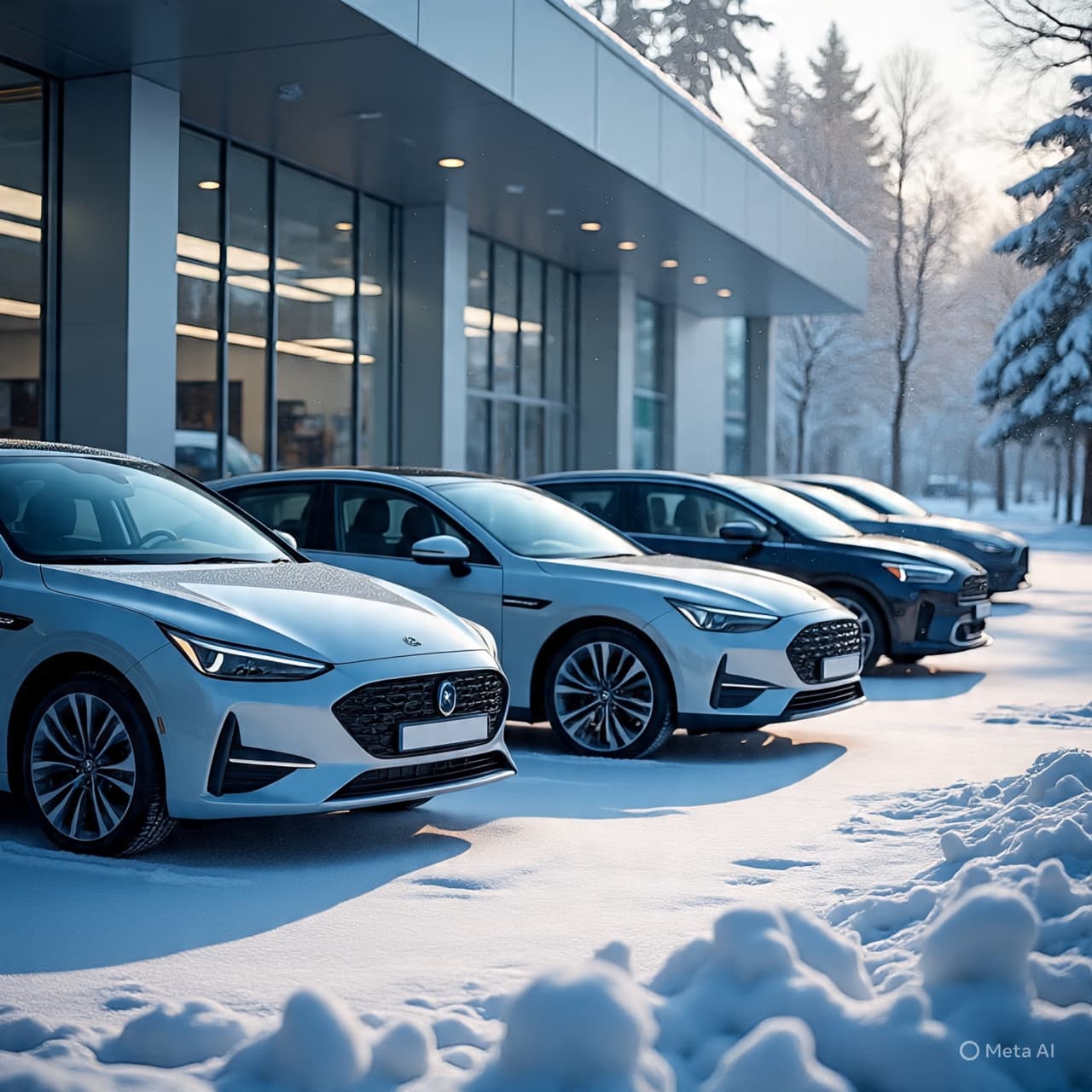
Winter lingers long in Norway, where pale daylight slips across snowbound roads and the air carries a hush familiar to northern mornings. Cars move quietly here now, tires humming rather than engines announcing themselves, as if the landscape itself has agreed to a softer sound. In this stillness, change arrives not with spectacle but with numbers that barely rise above a whisper.
In January, only seven new petrol-powered cars were sold across the entire country. The figure, almost fragile in its smallness, marked another step in Norway’s steady retreat from fossil-fueled transport. The nation’s roads, once a mix of exhaust notes and fuel stations, are now overwhelmingly electric. Battery-powered vehicles accounted for nearly all new registrations, reflecting years of policy, infrastructure, and cultural adaptation converging into a new normal.
This shift did not happen overnight. Tax incentives, exemptions from tolls, and widespread charging networks reshaped consumer habits gradually, until choice itself seemed to narrow. For many buyers, electric cars are no longer an alternative but the default. Petrol models, still legal and available, linger at the margins—purchased for specific needs, preferences, or circumstances rather than broad appeal.
Norway’s geography once raised doubts about such a transition. Long distances, harsh winters, and rural routes posed questions about range and reliability. Yet technology adapted alongside policy. Charging stations appeared in remote towns, batteries improved, and confidence followed. What remains now is not debate, but momentum—a quiet acceptance that the soundscape of travel has changed.
The implications extend beyond showrooms. Reduced emissions from transport align with Norway’s broader climate goals, even as the country remains a major oil and gas producer for export. This duality—clean roads at home, hydrocarbons abroad—has long defined Norwegian energy identity. The near-disappearance of petrol car sales adds another layer to that contrast, underscoring how consumption and production can diverge within the same borders.
As January ended, the roads remained calm, their traffic moving through snow and shadow with barely a growl. Seven petrol cars found new owners, and thousands more electric vehicles slipped into everyday life. The change did not announce itself with banners or speeches. It arrived quietly, like winter light across asphalt, leaving behind the sense that one era has nearly finished rolling to a stop.
AI Image Disclaimer Visuals are AI-generated and serve as conceptual representations.
Sources Reuters Associated Press BBC News Norwegian Road Federation Bloomberg
Published by Banx Network. This article is part of the Banx decentralized media programme, powered by the BXE token on the XRP Ledger.