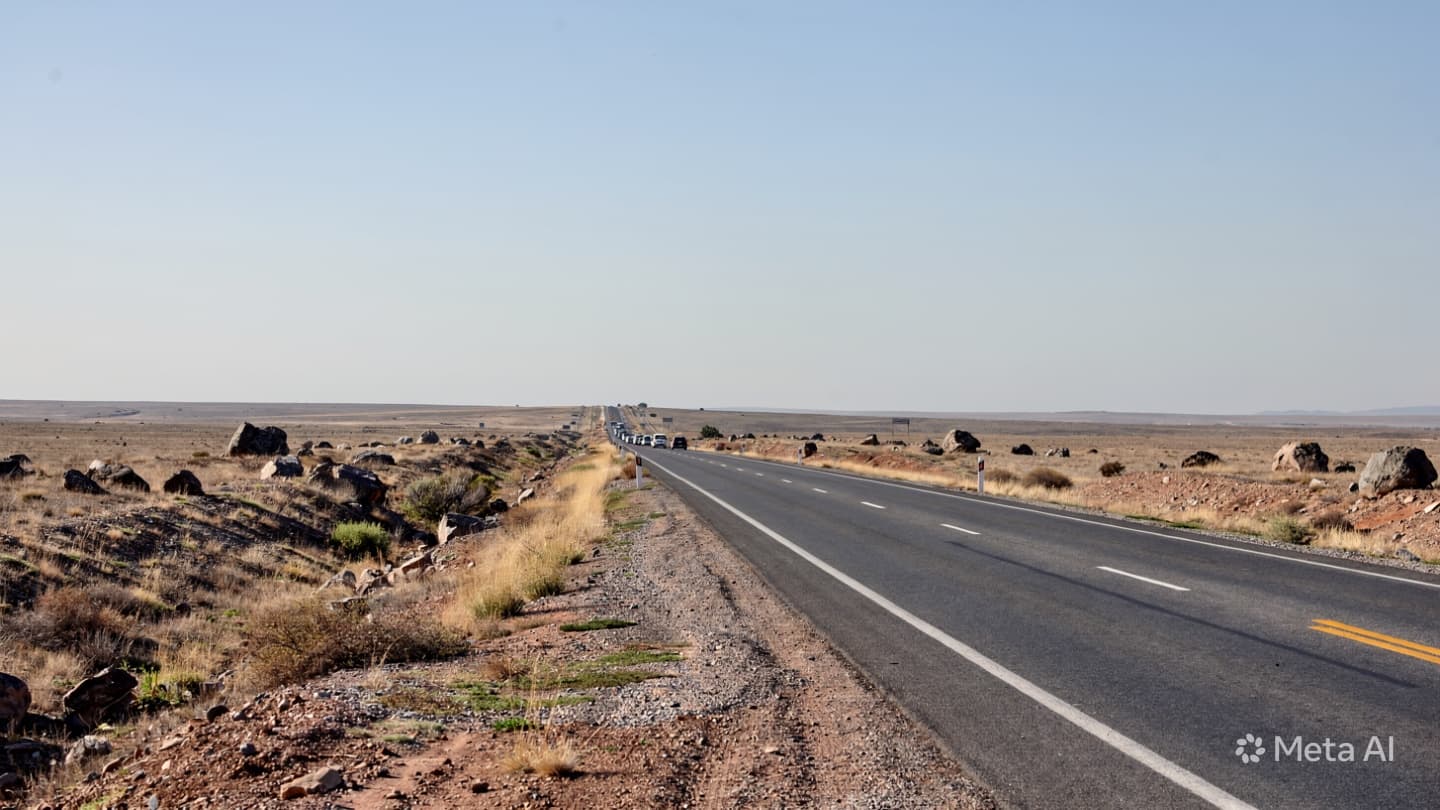
The highway is a ribbon of perpetual motion, a construct of modern necessity that binds nations and facilitates the restless exchange of our lives. On the A12, the road to Germany is more than just a thoroughfare; it is a point of transition, a place where the fluid ease of travel meets the rigid formality of the state. Yet, when the rhythm of this transit is interrupted by the unexpected, the highway transforms into a theater of profound, unintended consequences.
There is a particular atmosphere that settles over a road when it becomes a point of contention. The presence of a border control—a bottleneck in the otherwise seamless flow—introduces a friction that extends far beyond the physical markers. It creates an environment where impatience and vigilance collide, and where the human cost of regulation is often paid in the currency of steel and silence. When traffic slows to a crawl, the road becomes a heavy, pressurized space, pregnant with the potential for disaster.
The chain-reaction collision that occurred recently at this border crossing serves as a stark illustration of these invisible pressures. Amidst the density of vehicles and the slow, grinding pace of inspection, a moment of inattention or a sudden, sharp deceleration can ripple backward with devastating effect. It is a reminder that our modern infrastructure, for all its sophistication, remains at the mercy of the human element—the subtle, often invisible errors that trigger a collapse of order.
Reflecting on the scene of a multi-vehicle pileup requires one to look beyond the mangled metal and the flashing lights. It requires us to consider the environment that fostered the event—the systemic burden of border checks that transform a highway into a trap. There is a melancholy in the realization that the pursuit of security can, at times, create the very conditions that lead to such tragic instability. The road, which was intended to connect, becomes a site of separation and sorrow.
The investigation into the events that claimed a life on the A12 is a meticulous, somber undertaking. It involves tracing the sequence of events—the brake lights that flared, the moments of missed opportunity, the physics of a seven-vehicle convergence. Each detail, when analyzed, contributes to a larger, more unsettling picture: the reality that the infrastructure of our daily transit is fundamentally fragile, held together by the thin hope that everyone will stay within the lines of the law.
As the authorities conclude their work and the flow of traffic slowly returns to its habitual pace, the shadow of the incident lingers. It is felt by the mayors of the border municipalities who have voiced their frustration, and by the drivers who pass the site with a heightened sense of caution. The tragedy acts as a catalyst for a broader conversation about the consequences of policy—the ways in which administrative decisions manifest in the physical, dangerous reality of the road.
There is no simple resolution to the tension between the necessity of control and the right to safe passage. The A12 remains a conduit of commerce and travel, its asphalt etched with the memory of the lives that have been cut short in its lanes. To traverse it is to participate in a larger, collective effort, one that is occasionally marked by the heavy, silent reminder of our shared vulnerability. The road, in its indifference, continues to pull us forward, even as we struggle to navigate the costs of our own borders.
Looking back, the incident continues to resonate within the community as a point of critical failure. The investigation by local police into the seven-vehicle chain-reaction crash that occurred on the A12 highway in early May remains a subject of public concern. The collision, which resulted in the death of a 66-year-old man from Doornspijk, has intensified calls from local officials to re-examine the impact of border enforcement on regional road safety and traffic stability.
Published by Banx Network. This article is part of the Banx decentralized media programme, powered by the BXE token on the XRP Ledger.