
Key Highlights
- Incident:A humanitarian convoy was ambushed by armed militia in North Kordofan.
- Impact:The attack disrupted vital aid deliveries to vulnerable communities.
- Response:International calls for protection of aid corridors have intensified.
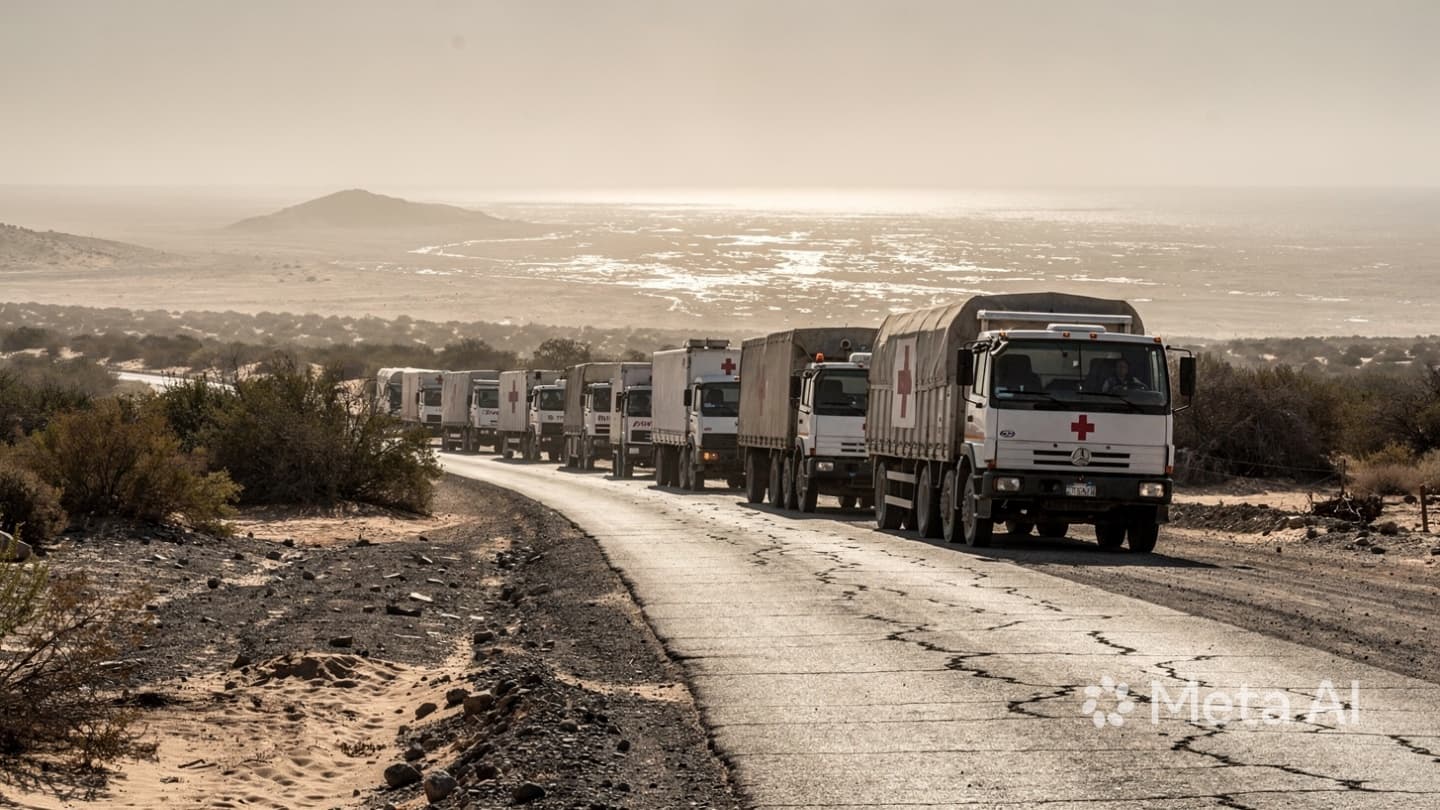
The roads of North Kordofan serve as critical lifelines, transporting essential supplies to communities in dire need. Recently, a humanitarian convoy, laden with food and medical supplies, was ambushed by an armed militia, highlighting the precarious situation for aid workers in the region. This incident not only disrupted the delivery of vital resources but also underscored the increasing dangers faced by those committed to humanitarian efforts in conflict zones.
Witnesses reported a sudden and violent confrontation as the convoy attempted to navigate the dusty terrain. The ambush left aid workers in a state of shock, as the mission of delivering assistance was violently interrupted. The trucks, which symbolize hope and support for thousands, became targets in a conflict that has seen escalating violence and lawlessness. The humanitarian principles of neutrality and impartiality were shattered in an instant, leaving the convoy stranded and vulnerable.
The militia responsible for the attack is part of a larger pattern of violence that has plagued North Kordofan, a region already suffering from the effects of prolonged conflict. The interception of aid convoys is not merely an act of theft; it represents a broader strategy to control resources and assert power over vulnerable populations. As the dust settled around the halted vehicles, the reality became stark: the aid that was meant to alleviate suffering was now held hostage by the shifting dynamics of conflict.
North Kordofan has long been a region marked by resilience, where communities have adapted to harsh conditions. However, the recent ambush signifies a new level of threat, creating a drought of safety and certainty for those reliant on humanitarian assistance. The targeting of organizations like the Red Crescent and the World Food Programme sends ripples of fear throughout the province, where families await crucial supplies for their survival.
Reports from Al Jazeera detail the chaos and confusion that ensued following the ambush, illustrating the tense negotiations between aid workers and militia members. While the situation may seem distant to those observing from afar, the stakes are profoundly personal for those on the ground. The presence of armed groups in these areas serves as a stark reminder of the fragility of peace and the challenges faced by humanitarian organizations striving to deliver aid.
Despite the risks, the bravery of aid workers who return to these dangerous routes is commendable. Their commitment to delivering assistance, even in the face of violence, reflects a deep-seated belief in the importance of their mission. However, the ambush in North Kordofan serves as a sobering reminder that courage alone cannot guarantee safety or success in such perilous environments. The trucks, now silent and motionless, stand as monuments to unmet needs and interrupted intentions.
As the sun sets over the Kordofan hills, the implications of the attack linger in the air. The humanitarian space, once a neutral ground for compassion, is increasingly threatened by the realities of armed conflict. The intervention of militia groups is symptomatic of a larger breakdown in the social contract that allows for the safe passage of aid. In the darkness, the hope that these convoys carry feels more elusive than ever.
In the aftermath of the ambush, there has been a swift international response, with calls for the protection of aid corridors and adherence to international humanitarian law. However, for those on the ground in Kordofan, such diplomatic assurances may seem hollow against the backdrop of violence and uncertainty. The reality remains stark: the heat, the dust, and the empty spaces where aid should flow are a constant reminder of the challenges faced in delivering humanitarian assistance in conflict zones.
Published by Banx Network. This article is part of the Banx decentralized media programme, powered by the BXE token on the XRP Ledger.



