There are places on a road where the memory of a moment — especially one marked by loss — lingers like a whisper long after the engines have passed and the blacktop has cooled. Along a stretch of the A548 in North Wales, not far from Llandudno, such a memory took shape in the spring of 2024, when a local father lost his life in a collision that shocked his community and cast fresh light on the hidden risks of everyday journeys. It is along this ribbon of asphalt, flanked by hedgerows and winding between villages, that stories of speed, sightlines and sorrow have now converged in a quiet push for change.
On May 11, 2024, David Paul Langford, a Llandudno dad known to neighbours and friends for his warmth and character, suffered fatal injuries in a crash near Waterloo Hill junction on the A548. Riding his motorcycle, he was struck after another vehicle emerged from the junction, where bushes and foliage obscured visibility and created a precarious turning point off the main road. In the months that followed, an inquest scrutinized not just the collision itself but the broader conditions that made that corner feel, as witnesses described, “exceptionally dangerous.”
The coroner’s prevention of future deaths report, issued in late 2025, urged that action be taken to address the deep concerns raised, pointing not only to the site’s poor visibility but also to the 60 mph national speed limit that applied on a stretch of road where vehicles and vulnerable turning traffic meet at speed. It was a recognition that everyday travel can mask hidden hazards, and that a junction that feels ordinary might harbor extraordinary danger.
Now, Conwy County Borough Council has proposed a Traffic Regulation Order to reduce the speed limit from 60 mph to 40 mph across a 4 km stretch of the A548 that includes Waterloo Hill and surrounding kilometres of road. The idea, rooted in careful consideration and community voices, is that slowing vehicles before they approach tricky intersections can grant drivers — and those turning across traffic — precious extra seconds to see, decide and respond.
For many locals, this is not an abstract discussion about numbers on signs, but a conversation deeply interwoven with real lives and families. The adjustment proposes more than traffic calming; it signals a kind of collective care, an acknowledgment that speed and safety are not just engineering concerns but human ones, touching everything from children’s school runs to evenings at home.
Council representatives stress that the proposal is currently subject to public consultation, inviting residents and road users to share their views before any legal order is made. This process reflects an underlying principle of community-led decision-making — that those who travel these roads each day have insight that matters alongside technical assessments.
The family of Mr. Langford, and indeed many across Conwy, have expressed hope that a reduced speed limit will make the road feel less like a gamble with chance and more like a shared space where lives, and not just vehicles, are afforded their due caution. As discussions continue, the focus remains on ensuring that future journeys are marked not by tragedy, but by thoughtful design and deliberate care.
In straight news terms: Conwy County Borough Council is consulting on a proposal to reduce the speed limit to 40 mph on a 4 km stretch of the A548 that includes an “exceptionally dangerous” junction near Waterloo Hill, where a collision in May 2024 claimed the life of David Paul Langford. The change follows a coroner’s warning that future deaths could occur without action, and aims to improve safety along the route.
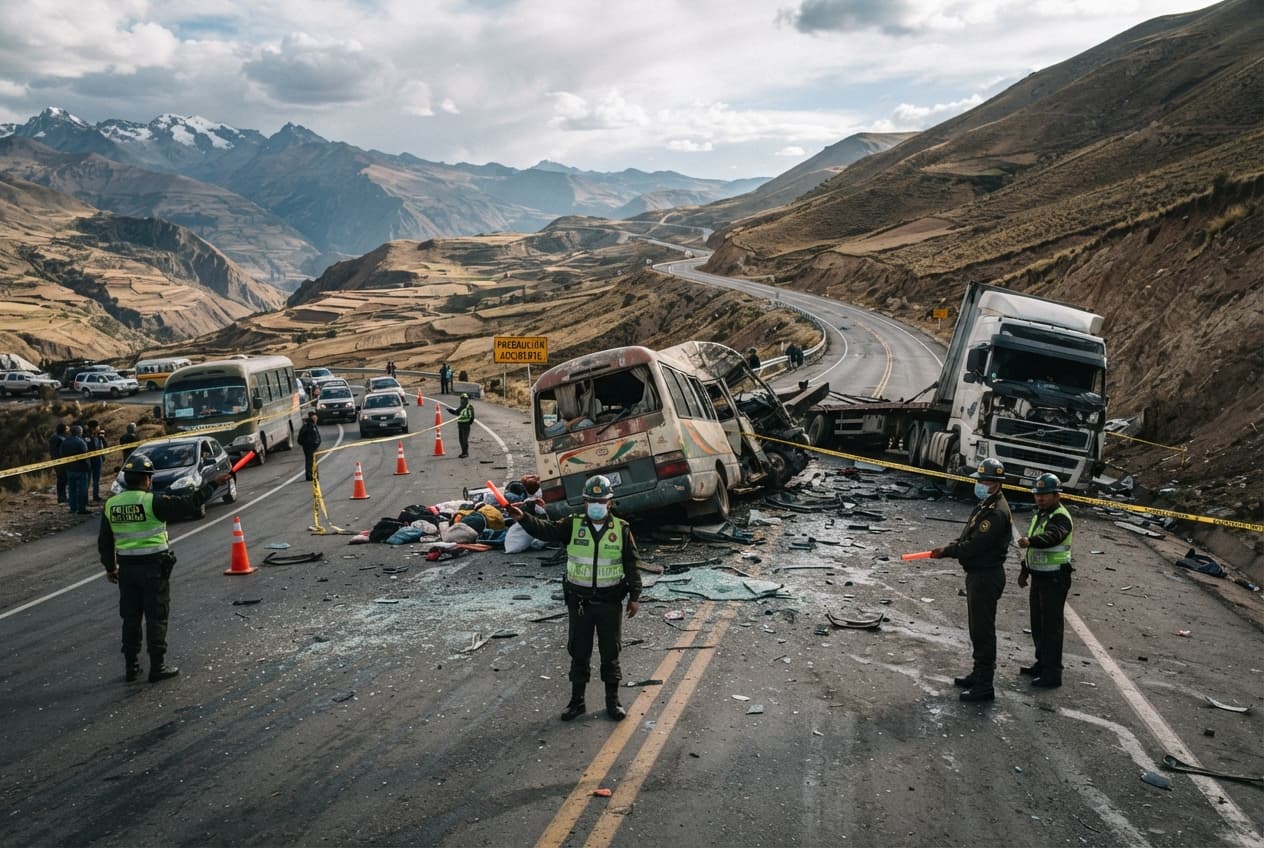
AI Image Disclaimer Visuals are created with AI tools and are not real photographs, intended for concept only.
Sources : Yahoo News UK Daily Post / News Minimalist (regional reporting)
Published by Banx Network. This article is part of the Banx decentralized media programme, powered by the BXE token on the XRP Ledger.