
Key Highlights
- Record cocoa export volume reported in East Sepik province.
- 20% increase in regional yield attributed to better farming practices.
- Local government commits to improving transport infrastructure.
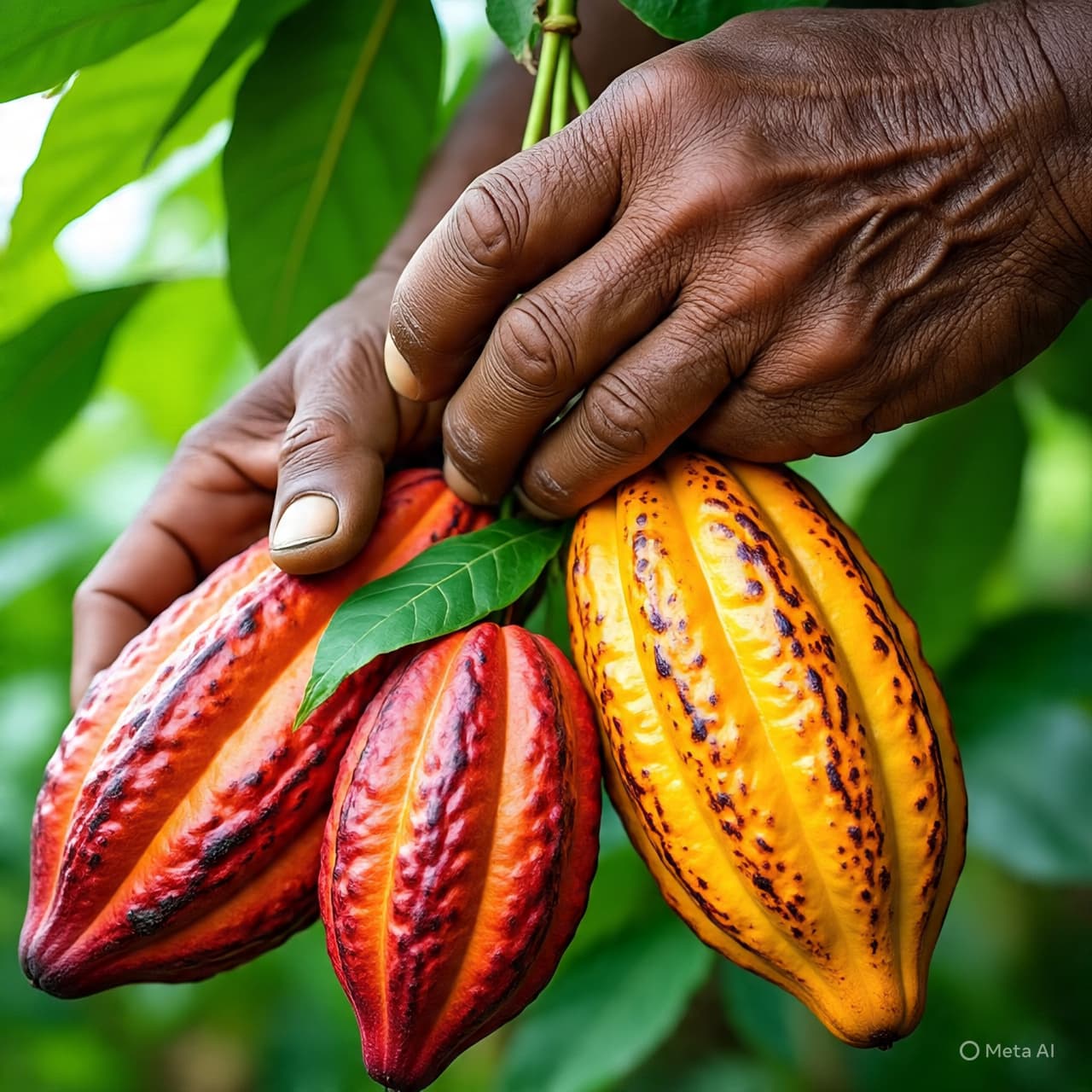
Cocoa production in the East Sepik province of Papua New Guinea has reached new heights, with local farmers reporting a record-breaking export volume for the first quarter of the year. This surge in exports is largely driven by a remarkable 20% increase in regional yield, a development that has been attributed to enhanced agricultural training programs and the introduction of higher-quality seedlings that are more resistant to local pests.
The East Sepik region, characterized by its lush landscapes and winding rivers, has long been known for its fertile soil, which supports the growth of cocoa trees. The farmers in this area have cultivated a deep connection with the land, and their dedication is evident in the quality of the cocoa beans they produce. The local cooperatives have embraced modern farming techniques, focusing on sustainable practices that not only improve yield but also ensure the long-term health of the environment.
As the cocoa trade expands, the local government has pledged to provide further support for infrastructure development. This includes improving transport routes from remote riverside communities to the international port of Wewak, which is crucial for exporting the cocoa beans to global markets. The commitment to enhancing infrastructure is expected to facilitate the movement of goods and bolster the local economy, allowing farmers to access larger markets and receive better prices for their products.
The transformation of cocoa production in East Sepik is not just about economic growth; it reflects a broader narrative of resilience and adaptation. Farmers have faced numerous challenges, including difficult terrain and limited access to resources. However, their perseverance has turned these obstacles into opportunities for growth. The community's collective efforts have fostered a sense of shared purpose, as they work together to improve their livelihoods through cocoa farming.
The cocoa beans, often referred to as
Published by Banx Network. This article is part of the Banx decentralized media programme, powered by the BXE token on the XRP Ledger.



