

Key Highlights
- New eco-tourism trails launched along the Olifants River in Limpopo, South Africa.
- The initiative aims to blend conservation efforts with sustainable economic opportunities for local communities.
- Community members serve as guides, sharing cultural stories and knowledge with visitors.
In the heart of South Africa’s Limpopo province, a village is embracing the flow of change as it opens new eco-tourism trails along the Olifants River. This initiative is not just about attracting tourists; it represents a deeper connection between the community and its environment, where stories of the land and its people can be shared with the world.
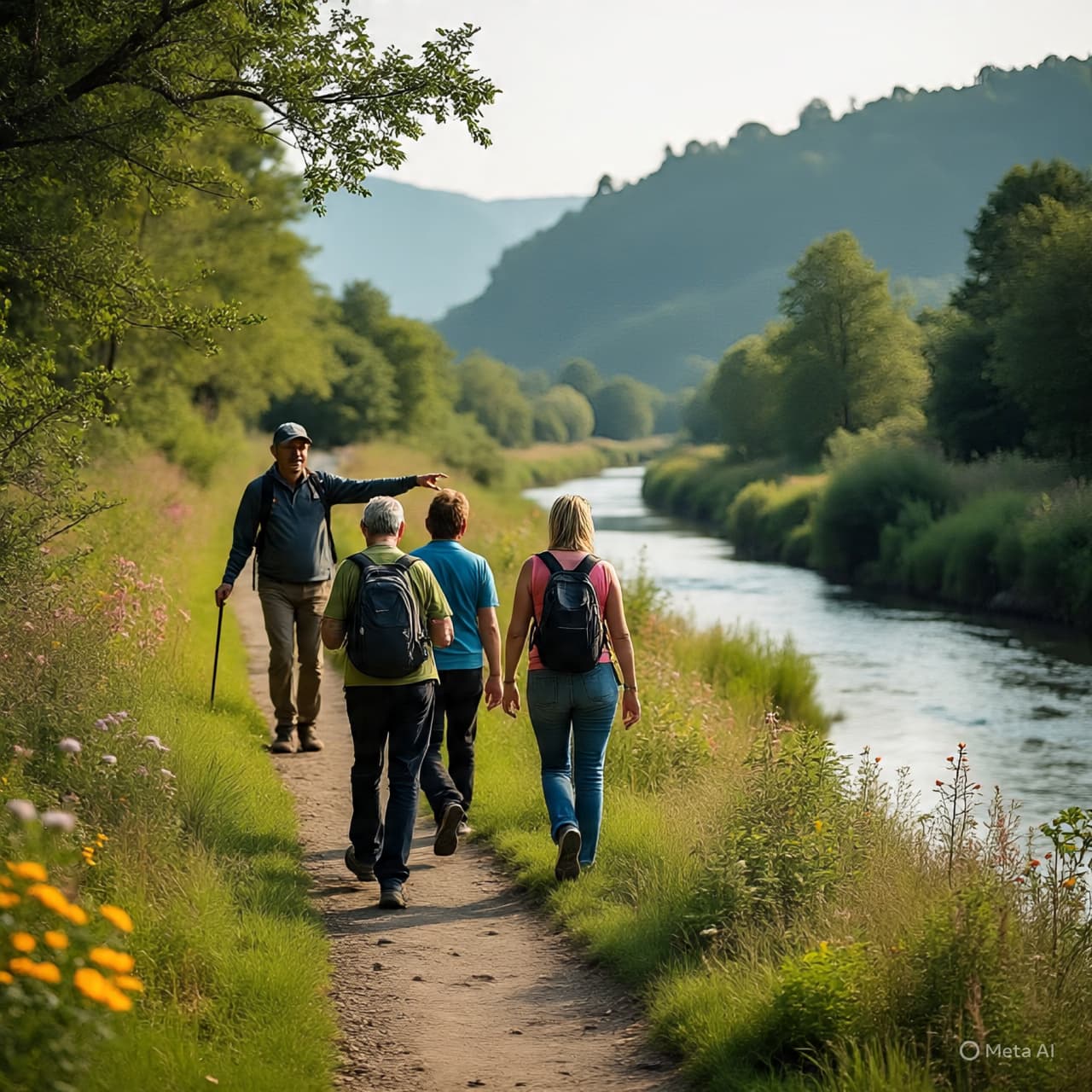
The newly established trails wind through areas rich in biodiversity, offering visitors a chance to experience the natural beauty of the region while learning about the local flora and fauna. Guided by community members, tourists can engage with the landscape in a meaningful way, gaining insights into traditional practices and the cultural significance of the river.
Organizers of the project emphasize the dual purpose of the initiative: to promote eco-tourism while fostering a sense of environmental stewardship among residents. By involving locals as guides and storytellers, the project not only generates income but also empowers the community to take an active role in preserving their natural resources.
The Olifants River, a vital waterway that supports both ecosystems and local livelihoods, has faced numerous challenges, including pollution and water management issues. This eco-tourism project aims to raise awareness about these environmental concerns while highlighting the river's importance to the community's identity and heritage.
Initial feedback from visitors has been positive, reflecting a growing global interest in immersive, community-based travel experiences. The village hopes to capitalize on this trend by offering authentic interactions that prioritize cultural exchange over mass tourism.
Support from local authorities and environmental organizations underscores the potential of small-scale initiatives like this to contribute to broader conservation efforts. However, stakeholders caution that careful management is essential to prevent tourism from overwhelming the very resources it seeks to celebrate.
For the residents of this Limpopo village, the eco-tourism trails symbolize more than just a new economic opportunity; they represent a chance to share their stories, protect their heritage, and shape a sustainable future. Each step taken along the river is part of a larger narrative that intertwines the past with the possibilities of tomorrow.
As visitors begin to explore these paths, the success of the project will unfold gradually, guided by a commitment to balance and intentionality. In the gentle flow of the Olifants, a community invites the world to listen and engage with their journey.
Published by Banx Network. This article is part of the Banx decentralized media programme, powered by the BXE token on the XRP Ledger.




