
Key Highlights
- Carterton is implementing a coastal adaptation plan to address rising sea levels.
- New emergency protocols and relocation strategies are being developed for residents.
- The community is facing the reality of climate change with resilience and adaptation efforts.
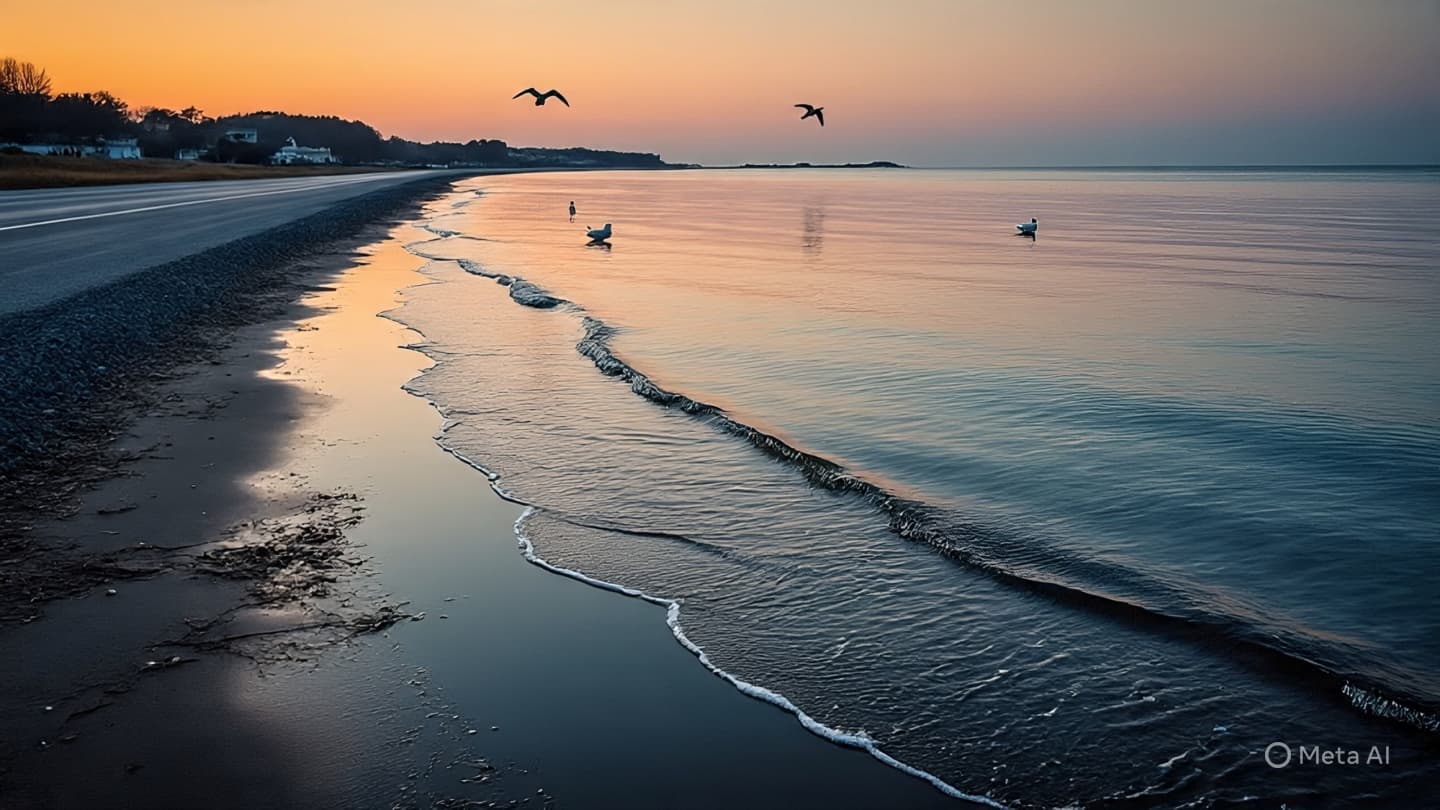
Carterton, a low-lying coastal community, is grappling with the profound impacts of rising sea levels, a phenomenon that is reshaping its landscape and the lives of its residents. The sea, once a distant neighbor, is now encroaching upon homes and public spaces, prompting urgent action from local authorities. As tides rise, the community is not only witnessing the physical transformation of their environment but is also engaging in a collective effort to adapt to this new reality.
The emotional toll of losing land to the sea is palpable among residents. Many are experiencing a sense of mourning for the places where they once played and built their lives. This slow, creeping inundation is not marked by dramatic storms but rather by the quiet, persistent rise of water that leaves behind salt and uncertainty. Each high tide serves as a reminder of the changing relationship between the people of Carterton and the Pacific Ocean.
In response to these challenges, local officials have initiated a comprehensive coastal adaptation plan. This plan includes the establishment of new evacuation protocols and the identification of safe assembly points for residents during extreme weather events. The strategy aims to prioritize safety and resilience in the face of projected sea-level rise over the next decade. Community meetings have become a space for discussing these changes, where residents share their concerns and hopes for the future.
Engineers and environmentalists are actively assessing the coastline, measuring erosion and soil saturation to devise potential solutions. Discussions around sea walls, managed retreat, and sustainable practices are ongoing, but for many residents, the reality is more immediate and personal. The sound of water encroaching upon their homes is a constant reminder of the urgency of the situation. While scientific explanations provide context, they do little to alleviate the emotional burden of leaving behind cherished memories and familiar landscapes.
As Carterton navigates this new era of adaptation, the community is demonstrating remarkable resilience. They are not merely reacting to the loss of land; they are redefining their relationship with the environment. This transformation is not just physical but also emotional, as residents learn to cope with the reality of a shifting coastline. Their experiences may serve as a crucial lesson for other coastal communities facing similar threats from climate change.
The ecological changes are equally significant, with saltwater intrusion affecting local flora and fauna. Trees that once thrived in freshwater are now struggling against the encroaching sea, while bird populations are shifting in response to the changing habitat. This ecological transformation mirrors the human experience, as both nature and community adapt to a world that is increasingly fluid.
In conclusion, Carterton's proactive approach to coastal adaptation highlights the importance of community resilience in the face of climate change. As local council members finalize the first phase of their adaptation plan, including emergency sirens and relocation funding, they are setting a precedent for how communities can respond to the challenges posed by rising sea levels. The journey ahead will require collaboration, innovation, and a deep understanding of the interconnectedness of people and their environment.
Published by Banx Network. This article is part of the Banx decentralized media programme, powered by the BXE token on the XRP Ledger.



