
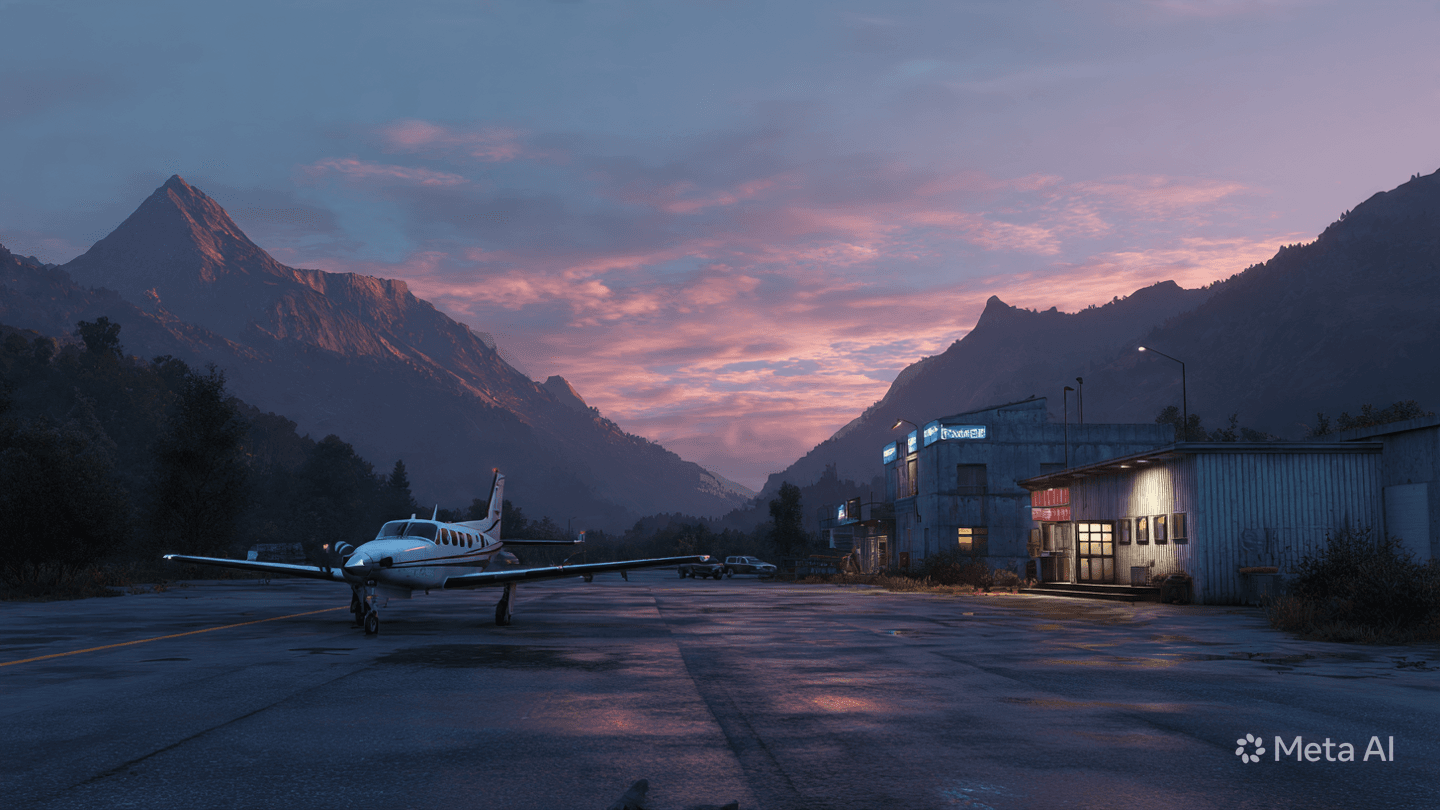
The geography of a border is often defined by its natural features—a river that twists through dense foliage, a ridge line that cuts across a misty valley, or a forest that seems to stretch endlessly into the horizon. Yet, these natural boundaries are frequently disrupted by the artificial conflicts of human design, where the sound of gunfire can travel across a valley as easily as the morning breeze. The western edges of the country, characterized by their lush agriculture and quiet communities, have recently experienced the unsettling intrusion of external instability. The fragile nature of geopolitical peace becomes clear when the violence of a neighbor spills over into peaceful hills.
To live near a frontier is to understand that peace is an active condition, requiring constant vigilance and a delicate balance of forces. For the residents of these western sectors, the recent disturbances were not merely news items from a distant capital, but tangible events that vibrated through the soil of their own fields. The sound of mortar fire and small arms, originating from the turbulent regions just beyond the markers, served as a stark reminder of how thin the line between security and chaos can be. The movement of armed actors near these boundaries inevitably creates a ripple effect that alters the daily life of nearby villages.
The response to such incursions is rarely simple, involving a combination of defensive military positioning and diplomatic messaging. The state must demonstrate its resolve to protect its sovereignty without escalating an already volatile situation into a broader conflagration. Troops deployed to the region move through the terrain with a quiet purpose, their presence intended to reassure the local population and deter further violations of the frontier. The landscape, beautiful yet complex, offers both cover and challenge to those tasked with its defense.
There is a specific kind of anxiety that settles over an agrarian community when the security of their land is threatened by external actors. The fields must still be tended, the livestock must still be fed, yet every task is now performed with an ear turned toward the horizon. The normal rhythms of rural life are disrupted by the sight of military convoys and the knowledge that, just a few miles away, a serious humanitarian and security crisis is unfolding. It is a reminder that no community exists in total isolation from the broader region's struggles.
The international community watches these developments with a mixture of concern and analysis, recognizing that a spark along a sensitive border can have implications far beyond the immediate geography. Consular advisories and diplomatic cables reflect this anxiety, urging caution and documenting the movements of various armed groups. These documents, written in the neutral language of international relations, nonetheless convey the seriousness of a situation where national borders are not fully respected by irregular forces.
The underlying causes of the conflict across the border are deep-seated and complex, involving resources, historical grievances, and a lack of effective state control in remote provinces. When these dynamics overflow, it is often the civilian populations on both sides of the line who bear the immediate burden of fear and displacement. The effort to secure the perimeter is not just about defending territory, but about preserving the social fabric of communities that have worked hard to build a peaceful existence.
As the evening mist rolls in from the mountains, obscuring the physical markers that divide the two nations, the tension remains palpable. The patrols continue their rounds through the darkness, relying on technology and local knowledge to detect any unauthorized movements. The goal remains a return to the quiet status quo, where the border is a place of trade and connection rather than confrontation.
Recent operational reports indicate that armed engagements between non-state actors and government forces within the Democratic Republic of Congo have affected territories inside western Rwanda. The U.S. State Department has issued a security notification detailing instances of stray ordnance and brief incursions by armed personnel into Rwandan border sectors. National defense forces have increased their readiness posture in the affected regions to ensure territorial integrity and protect local residents from further cross-border spillover.
Published by Banx Network. This article is part of the Banx decentralized media programme, powered by the BXE token on the XRP Ledger.


.jpg&w=3840&q=75 "Blake Lively Awarded $400,000 in Legal Fees After Justin Baldoni Lawsuit Dismissed")