There are cities that carry their history lightly, and others that move forward with it close at hand. In Christchurch, the past is not distant—it lingers in memory, in rebuilt streets, in the spaces where something once stood and something new has taken its place. Time here does not erase; it layers.
In that layering, something else has begun to take form.
Christchurch is increasingly described as New Zealand’s most prosperous city, a characterization shaped not by a single measure, but by a convergence of factors that together suggest steady strength. Economic growth, employment levels, infrastructure investment, and business confidence all contribute to this perception, though none alone fully explains it.
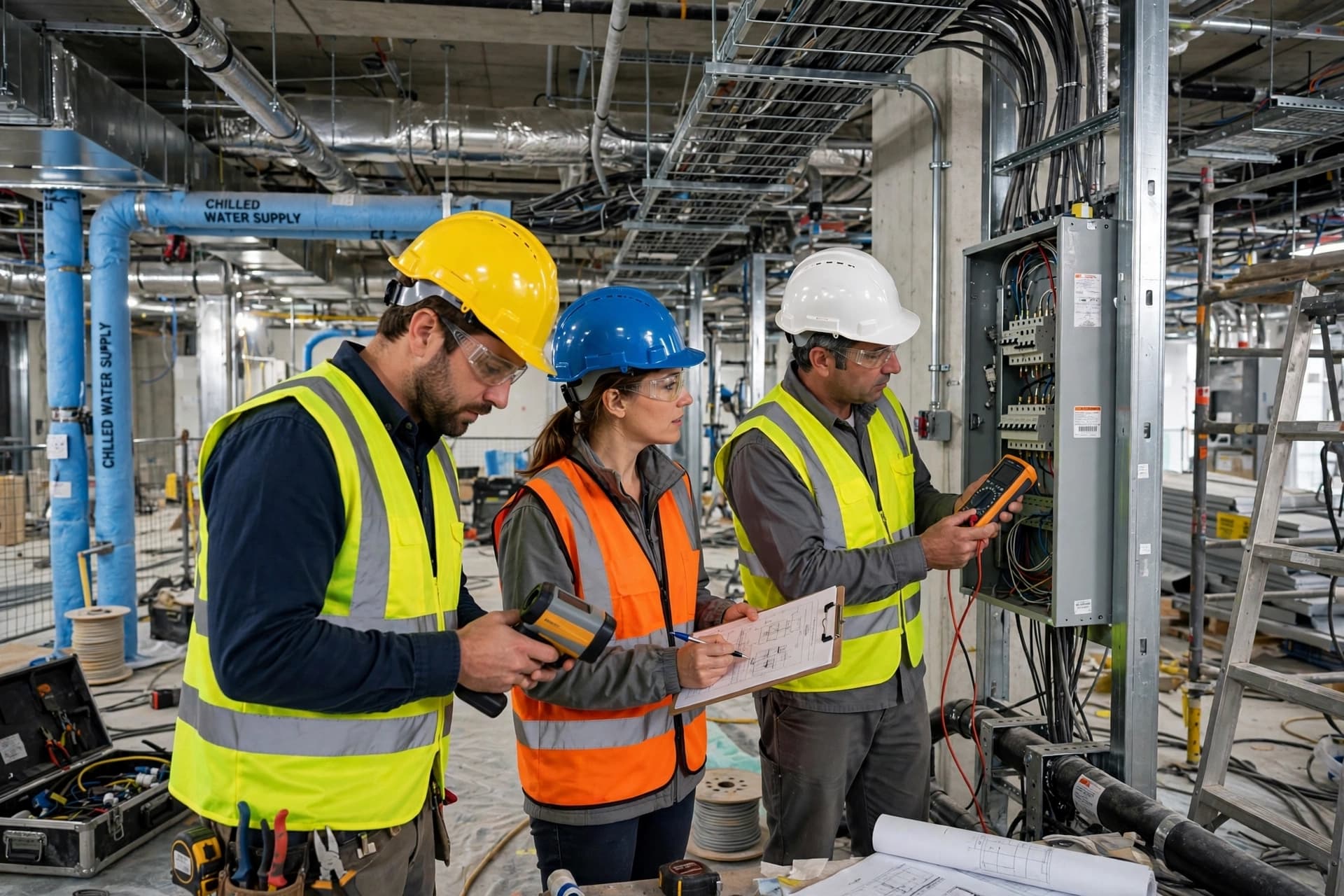
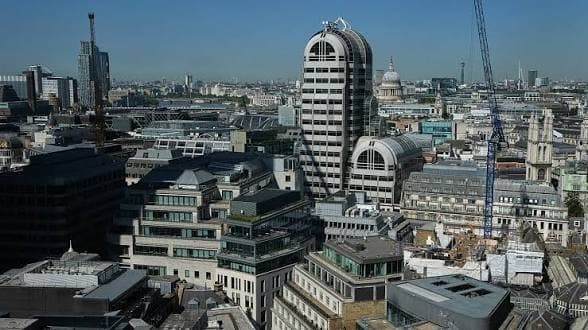
Part of the story lies in what followed disruption. The earthquakes that once defined the city’s narrative also set in motion a period of reconstruction that extended beyond repair. Investment flowed not only into restoring what was lost, but into reimagining what could exist in its place. New buildings rose alongside new ideas, and the city’s physical renewal became intertwined with its economic trajectory.
That process created conditions that continue to resonate. Infrastructure, often considered only in its absence, became one of Christchurch’s quiet advantages. Modernized transport networks, updated commercial spaces, and carefully planned urban areas now support a business environment that feels both functional and forward-looking.
At the same time, affordability has played its part. Compared with larger centers such as Auckland and Wellington, Christchurch has maintained relatively lower housing costs, allowing both individuals and businesses to operate with greater flexibility. This balance—between opportunity and cost—has made the city an attractive destination for relocation and investment.
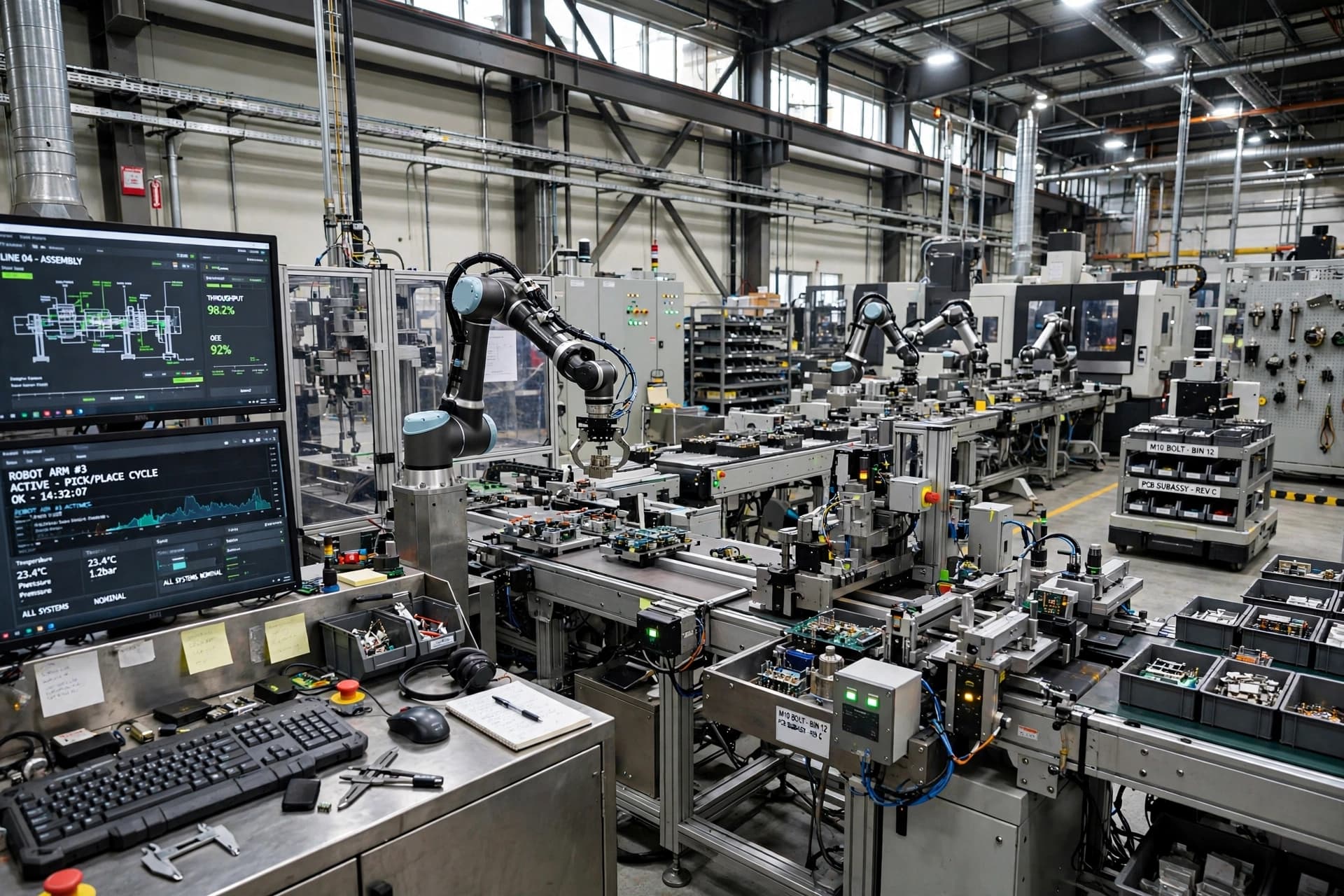
Employment patterns further reinforce the picture. A diverse economic base, spanning construction, technology, agriculture, and services, has provided resilience against fluctuations in any single sector. Job growth has remained steady, and participation rates reflect a workforce engaged across multiple industries.
There is also a less tangible element at play—a sense of space, of possibility. Christchurch does not press in on itself in the way larger cities sometimes do. Its layout, its proximity to both coast and countryside, and its evolving urban identity create an environment where expansion feels possible, not constrained.
Yet prosperity, like all such measures, is relative and evolving. It is shaped by comparison, by timing, and by the criteria used to define it. What Christchurch represents in this moment is not a final state, but a phase—one that reflects the alignment of recovery, planning, and circumstance.
The city’s rise has not been sudden. It has unfolded gradually, through decisions made over years, through investments that have taken time to materialize. What is visible now is the result of that accumulation, rather than a single turning point.
Christchurch is considered New Zealand’s most prosperous city due to strong economic growth, ongoing investment, relatively affordable housing, and a diverse employment base. The city’s post-earthquake rebuild has played a key role in shaping its current economic position.
AI Image Disclaimer
Visuals are AI-generated and serve as conceptual representations.
Source Check
RNZ (Radio New Zealand) The New Zealand Herald Stuff Interest.co.nz BusinessDesk
Published by Banx Network. This article is part of the Banx decentralized media programme, powered by the BXE token on the XRP Ledger.